
Trump Claims Iran Sending ‘Exact Wording’ of Potential Deal as Former Special Ops Warns: ‘Uncertainty Is Power’

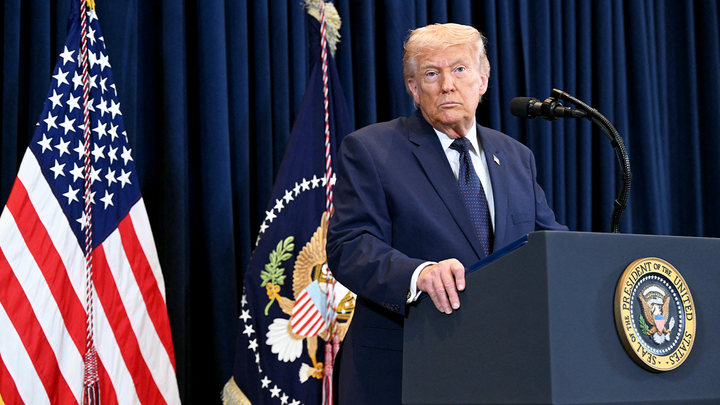
President Donald Trump told reporters Saturday that Iran is sending the “exact wording” of a potential new nuclear deal, which he said he would review aboard Air Force One en route to Miami International Airport. “They told me about the concept of the deal. They’re going to give me the exact wording now,” Trump said, adding that negotiations are progressing well because Iran has been “decimated.” He claimed that even if the U.S. walked away now, it would take the regime 20 years to rebuild — but insisted, “We’re not leaving right now. We’re going to do it so nobody has to go back in two years or five years.” However, Trump also acknowledged the regime is “having a hard time figuring out who their leader is” and left the door open for renewed U.S. military strikes. Later, on Truth Social, he struck a more skeptical tone, writing that he “can’t imagine that [the deal] would be acceptable in that they have not yet paid a big enough price for what they have done to Humanity, and the World, over the last 47 years.”
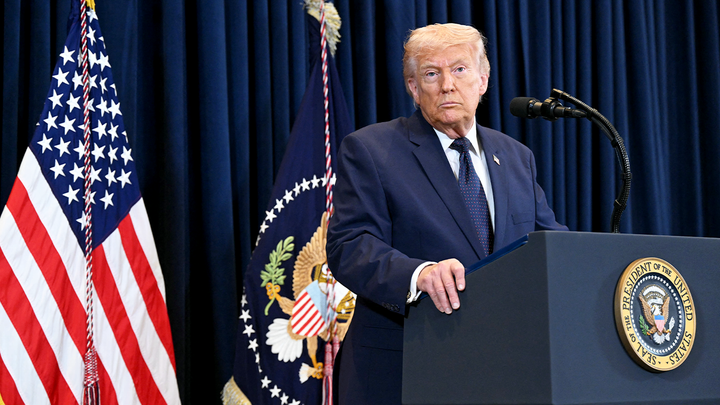
The president’s mixed signals drew sharp analysis from Fox News contributor and former U.S. Army special operations soldier Brett Velicovich, who appeared Saturday night on “Life, Liberty & Levin.” Velicovich argued that Trump’s strategic ambiguity is a deliberate weapon: “Iran doesn’t know whether our next step is funding local Iranians or tighter economic pressure or expanding maritime enforcement or precision military action, and that uncertainty is power.” He cautioned that the regime is “disingenuous” in negotiations, seeking sanctions relief before nuclear compliance — a move he called “surrender disguised as diplomacy.” Velicovich highlighted the effectiveness of the current maritime blockade, noting Iranian oil exports have plummeted by over 80%, with tens of millions of barrels stranded on tankers. By starving the regime of cash, the U.S. is cutting off funding for terror proxies, missiles, and domestic repression — a strategy Velicovich argued can be “even more devastating than military airstrikes.” As the White House awaits Iran’s proposed language, the gap between deal-making optimism and hardline skepticism remains starkly unresolved.