

A Spoonful for the Mind: Study Links Daily Tomato Paste to Sharper Brain Function


A small but intriguing new study from Spain has found that eating about two tablespoons of tomato paste daily for three months was linked to better attention, faster processing speed, and improved associative memory. The study, published in the journal Antioxidants, involved 42 healthy adults ages 40 to 55 who completed a randomized crossover trial, spending three months on each of two diets—one rich in lycopene (the red antioxidant pigment found in tomatoes) and one low in lycopene—with a one-month washout period in between. During the tomato paste phase, participants consumed an average of about 35 grams daily, while during the low-lycopene phase they avoided foods like tomatoes and stuck to their usual eating habits. After the tomato paste phase, participants scored an average of 7.2 points higher for concentration, 8.3 points higher for processing speed, and 0.8 points higher on a test matching faces with names. Their blood tests also showed a borderline increase in BDNF, a protein involved in brain-cell growth and adaptability, and brain scans in a small subset showed changes in resting connectivity that researchers said could suggest more efficient brain communication.
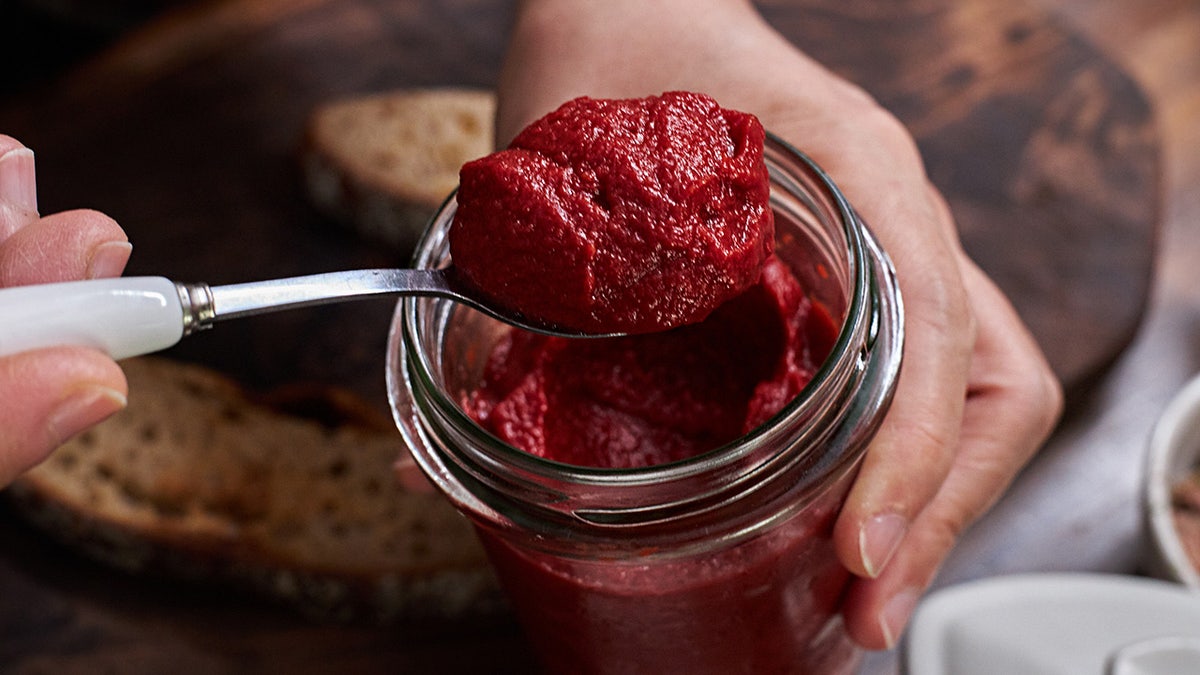
The study did not prove that tomato paste prevents cognitive decline or disease, and the researchers emphasized that the findings are preliminary and larger studies are needed. However, Dr. John Showalter, a Pennsylvania-based internal medicine physician, told Fox News Digital that the low-lycopene phase may be the study’s most telling comparison. Rather than showing tomato paste acts as a standalone cognitive enhancer, he said, the results suggest that restricting lycopene-rich foods may leave the brain functioning less well. “We know that people that have low lycopene levels have a higher mortality rate, they have more cardiovascular events, and there’s been increasing literature that low lycopene is bad for your brain,” Showalter said. Watermelon, papaya, and red peppers also contain lycopene, though cooked and concentrated tomato foods, including ketchup and sun-dried tomatoes, can provide especially high amounts.
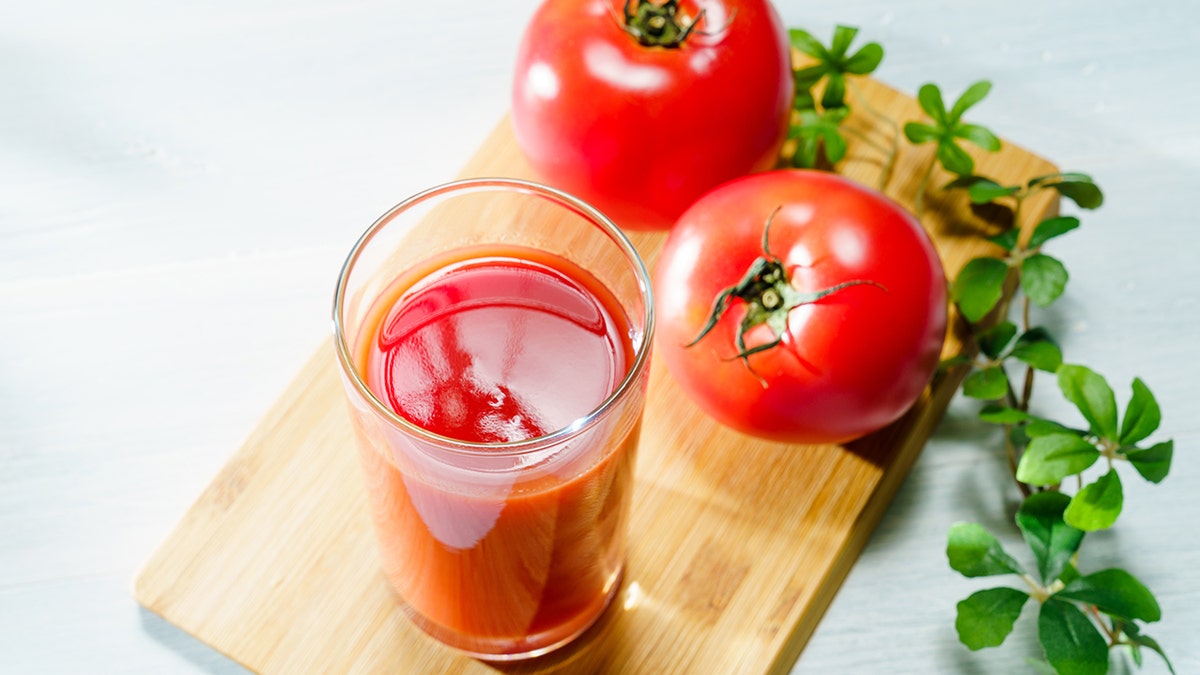
While the study is small and its findings are not definitive, it adds to a growing body of research suggesting that diet plays a significant role in cognitive health. For Christians, this research is a reminder that our bodies are temples of the Holy Spirit and that caring for our minds through wise dietary choices is an act of stewardship. The simple act of adding a couple of tablespoons of tomato paste to a meal may not be a cure-all, but it is a small, practical step toward nourishing the brain God has given us. As with all things, balance and wisdom are key—enjoying lycopene-rich foods as part of a varied, whole-food diet is one more way we can honor God with our bodies and minds, stewarding the health He has entrusted to us for His glory.
Courtesy of:
BLN ENTERTAINMENT TV
“where Entertainment meets EXCELLENCE “
www.BLNENTERTAINMENTTV.com
#BLNEtv #BLNEntertainmenttv #Video #Faith #Christ #BlessingLightHallowed