

Anywhere. Anytime. Anyone.’: Airman Rescue Deep in Iran Sends Chilling Warning to Tehran

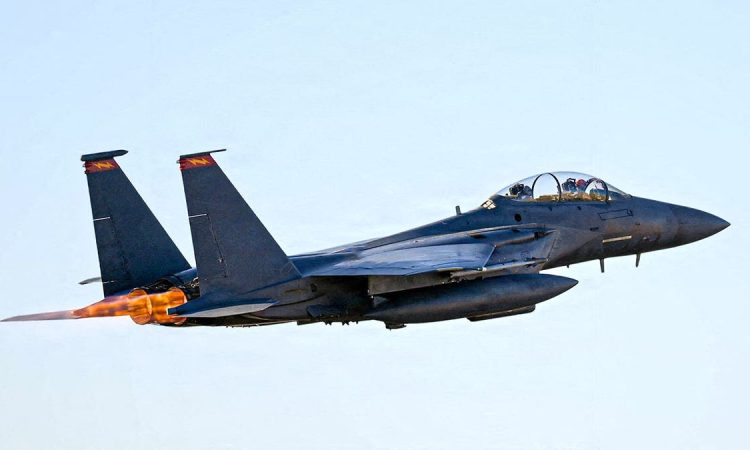
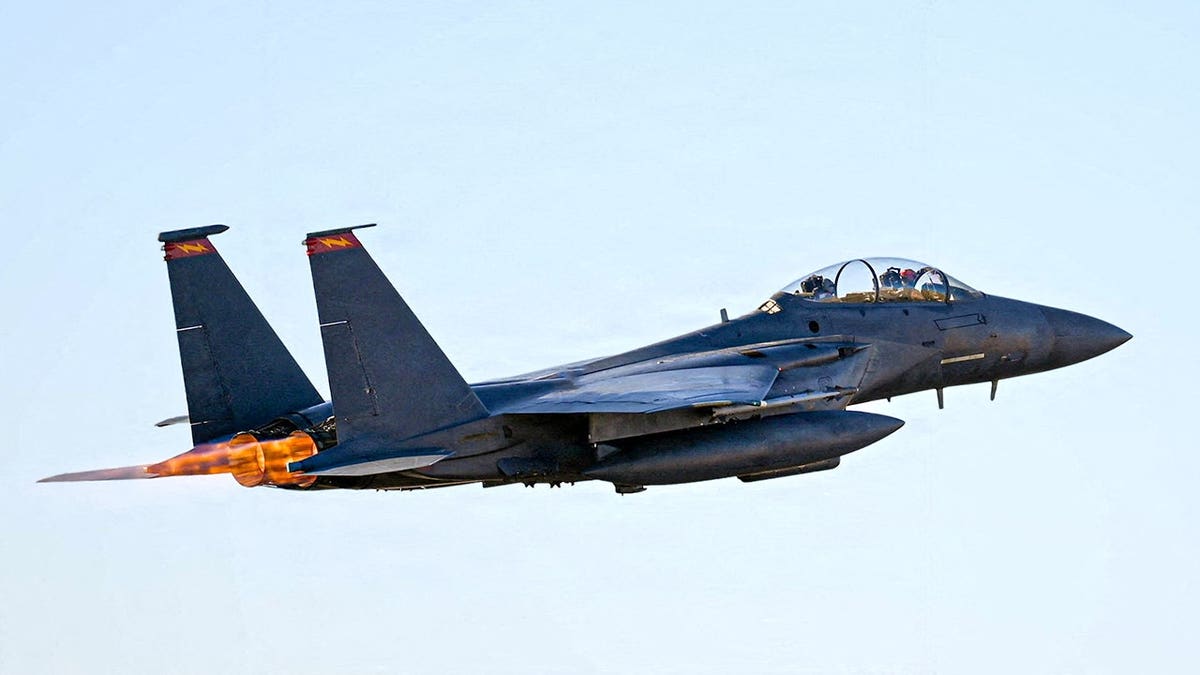
In the dark hours before dawn this past Sunday, a joint U.S. special operations team pulled off what many military analysts once called impossible: they penetrated deep inside Iranian territory, evaded air defenses, located a downed Air Force weapons system officer (WSO) who had been hiding for roughly 36 hours, and exfiltrated him to safety. The rescue—dubbed an “Easter miracle” by former President Donald Trump—followed the Friday downing of an F-15E Strike Eagle over Iran. While the pilot was rescued that same morning, the WSO’s recovery required a far more complex, high-stakes operation involving intelligence assets, regional allies, and what insiders describe as a coordinated distraction campaign. Now, a former Pentagon official is warning Tehran that the mission was about far more than saving one life. “This demonstrates to the Iranian leadership that we can get anywhere that we so choose and hold ground as long as we desire to accomplish a mission,” Brent Sadler, a retired Navy captain and former Pentagon official, said on “Fox & Friends Weekend.” “Not only can we rescue our pilots, but we can also go to where we need to secure nuclear equipment or the remains of their leadership.”
Sadler’s chilling assessment comes as President Trump’s Monday deadline for Iran to return to nuclear negotiations ticks toward zero. The successful rescue, he argues, strips Tehran of any leverage it might have hoped to gain by capturing a U.S. service member. “Despite going and hunting down and successfully exfiltrating our pilot, the operations and the attacks continued,” Sadler noted, emphasizing that U.S. military pressure never paused. “That deadline that President Trump has given is very serious, and the regime in Tehran better take it as such, because there’s a lot more that’s coming their way if not.” Sadler also revealed that America’s Gulf partners likely granted overflight clearance for rescue assets, while Israeli forces may have shifted their own attack patterns to “draw the Iranians away” during the critical extraction window. The message, delivered not in a diplomatic cable but through a daring boots-on-the-ground operation, is unmistakable: no corner of Iran is off-limits. Whether for rescue, retrieval, or retribution, the U.S. has proven it can reach anywhere it chooses—and hold there long enough to bring its people home. For Tehran, the question is no longer whether America has the capability. It is what comes next.