
‘EGREGIOUS’ EVIDENCE BLUNDER FREES ARMY VET SHERIFF CANDIDATE: JUDGE TOSSES MURDER CASE IN DAD’S SHOOTING OF DAUGHTER’S ALLEGED PREDATOR

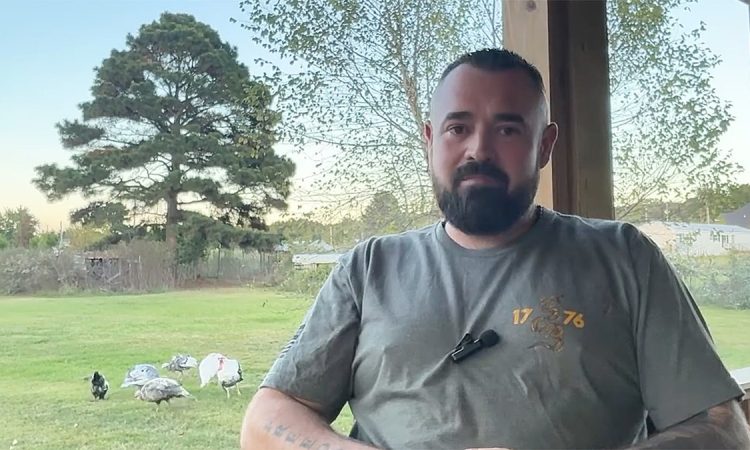
In a stunning legal reversal that has rocked Lonoke County, an Arkansas judge has thrown out the second-degree murder charge against Army veteran and sheriff candidate Aaron Spencer—the father who admitted to shooting 67-year-old Michael Fosler after finding him alone with his teenage daughter in a pickup truck. Special Circuit Judge Ralph Wilson Jr. dismissed the case Thursday, citing law enforcement’s “egregious” mishandling of a dash-camera SD card from Spencer’s truck. The ruling calls the lost evidence a致命 blow to Spencer’s right to a fair trial, especially as he prepared to argue self-defense and “heat of passion” in the October 2024 shooting. “The loss or destruction of the internal SD memory card has adversely impaired the Defendant’s ability to defend himself,” the judge wrote, adding that dismissal is “an extraordinary remedy” but fully warranted here. Fosler, who was out on bond for multiple alleged sexual offenses against Spencer’s daughter, died at the scene after Spencer called 911 to report the shooting.
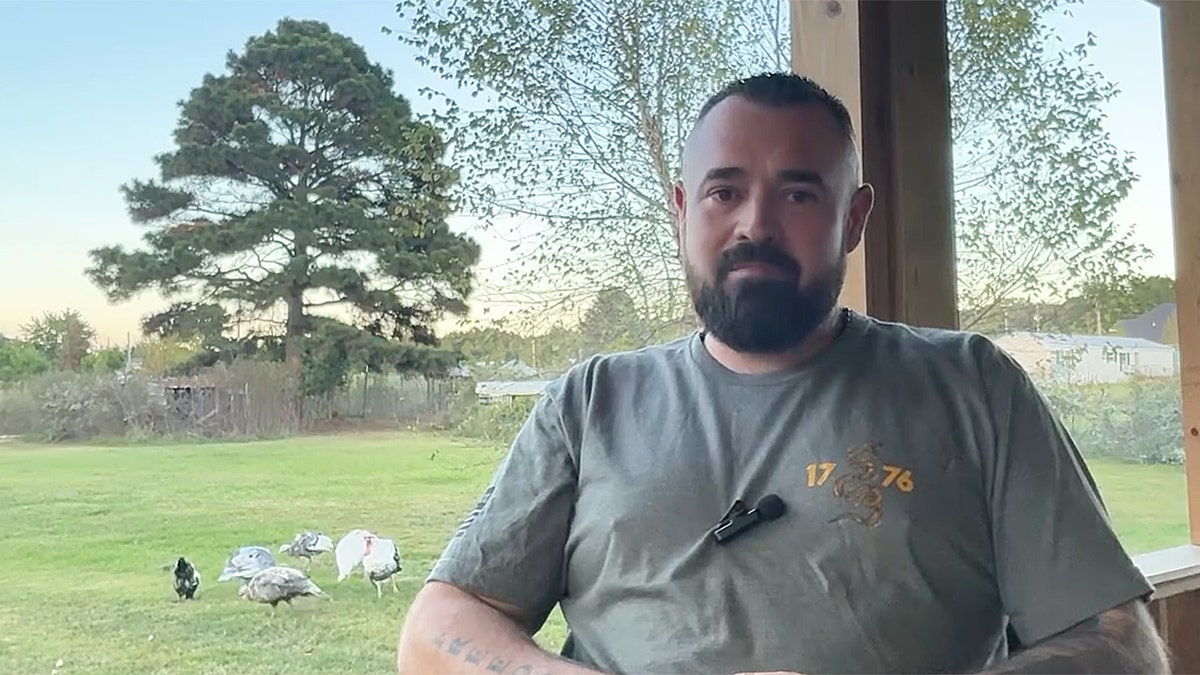
The bombshell ruling comes as Spencer—who won the Republican primary for Lonoke County sheriff in February, defeating the incumbent—has built his entire campaign on exposing “failures in law enforcement.” His defense team successfully argued that police not only lost the crucial SD card but also failed to document when it went missing or how. “Through my own fight for justice, I have seen firsthand the failures in our circuit court,” Spencer said in a campaign video after his arrest. Now, with his murder charge dismissed just weeks before his scheduled June 22 trial, the father-turned-candidate faces an uncertain political future. Prosecutors have not yet indicated whether they will appeal, but Judge Wilson’s blistering order leaves little room for revival: “The conduct by law enforcement was so egregious that dismissal is warranted.” For Spencer, the ruling is both legal exoneration and a powerful closing argument—that the system he once railed against has now, reluctantly, set him free.