

A Silent Scream in Digital Shadows: President’s ‘Pure Disgust’ at Abduction Footage


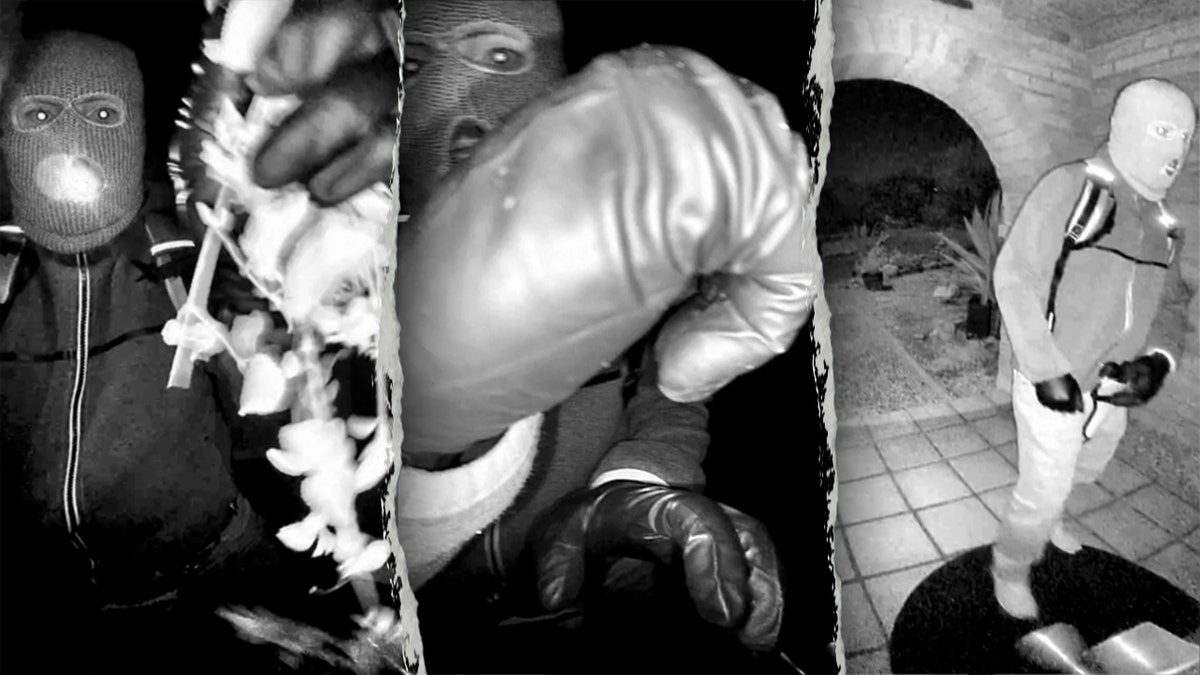
In a stark White House briefing that seemed to drain the room of air, Press Secretary Karoline Leavitt on Tuesday summoned the nation’s gaze to a few seconds of grainy, ghostly footage—a silent movie of malice that has become the central clue in the haunting disappearance of 84-year-old Nancy Guthrie. The newly recovered FBI video, extracted from the digital remnants of a home security system, shows a masked figure, armed and moving with methodical intent, tampering with a camera outside Guthrie’s Tucson door on the night she vanished. Leavitt, her voice taut, revealed that President Donald Trump had just viewed the tape moments before, his reaction one of “pure disgust.” “It’s heartbreaking to see now this footage really bring to life a story we’ve all been reading about,” she said, framing the images not as mere evidence but as a visceral breach of the American home, a chilling translation of headlines into a palpable, and ongoing, nightmare.
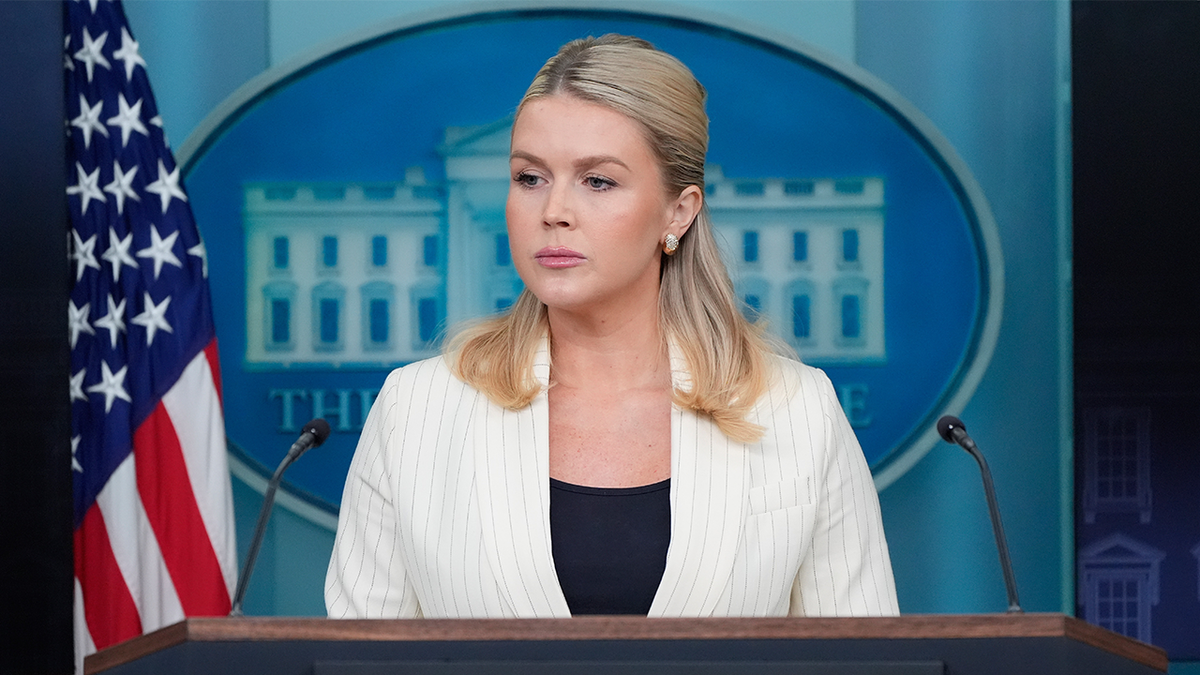
The digital phantom captured by the FBI—a faceless form under the Arizona moon, its hand holding a weapon, its purpose chillingly clear—has escalated the search from a missing person’s case into a national inflection point. Leavitt conveyed the President’s direct instruction: all Americans with information must contact the FBI immediately. Her words carried an unspoken weight, acknowledging the grim reality that two suspected ransom deadlines have already passed without word, and that blood was found outside the home. “Anyone who was involved in this depraved crime, this abduction… we want them held to the fullest extent of the law possible,” she stated, a promise of consequence hanging over an act that has already transgressed every boundary of decency.
As the investigation, now bolstered by a $50,000 reward, presses forward, the human toll remains agonizingly centered. The White House’s prayers, Leavitt said, are with Guthrie’s daughter, NBC’s Savannah Guthrie, whom the President called to offer federal support despite their own history of televised contention—a testament to the tragedy’s power to momentarily eclipse even the deepest political divides. Yet, beyond the statements and strategies, it is the footage itself that now lingers, an unresolving loop in the public conscience: a masked stranger at the threshold, an elderly woman missing from within, and a nation left to reckon with the unsettling truth that some horrors, once confined to the dark, now announce themselves in the cold, clinical light of a Nest camera’s gaze.