

The Sweet Deception: Unmasking the Hidden Potential of Monk Fruit


In our relentless pursuit of wellness, we often embrace food trends with open arms, celebrating simple solutions to complex problems. The zero-calorie sweetener has become a modern holy grail—allowing us to indulge our sweet tooth without the caloric penance. Among these, monk fruit has risen to prominence, marketed as a natural, non-glycemic alternative to sugar and artificial sweeteners. But what if this humble fruit, native to southern China, is quietly harboring secrets that extend far beyond mere sweetness?

A groundbreaking study published this month in the Journal of the Science of Food and Agriculture shifts the spotlight. Researchers in China have discovered that monk fruit’s peel and pulp contain a rich cocktail of antioxidants, flavonoids, terpenoids, and amino acids—compounds traditionally associated with superfoods like berries, green tea, and dark leafy greens. This revelation challenges us to reconsider monk fruit not just as a sweetening agent, but as a potential bioactive powerhouse.
Beyond the Sweetener: A Botanical Treasure Chest
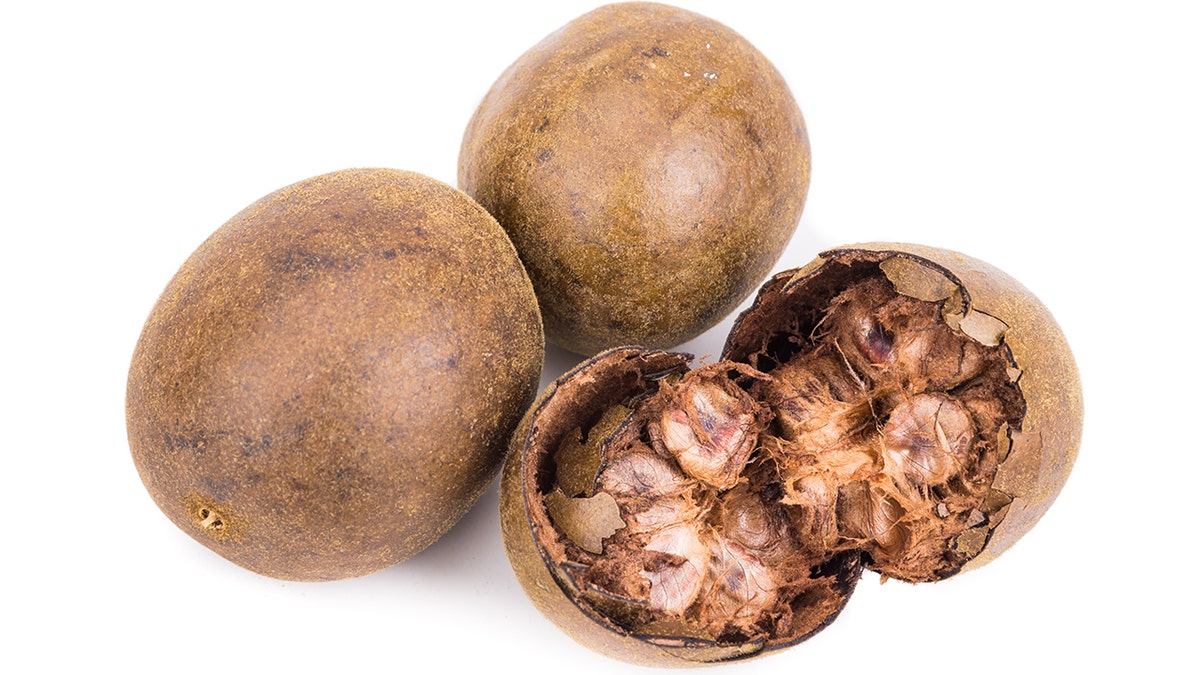
For centuries, in traditional Chinese medicine, monk fruit (also known as Buddha fruit) has been used holistically—dried, cracked open, and steeped into a mild, herbal tea. Modern food science, however, has largely reduced it to a single purpose: extracting its intensely sweet mogrosides to create a zero-calorie sugar substitute. This new research urges us to look at the whole picture.
The identified compounds are no minor actors. Flavonoids and terpenoids are celebrated for their potent antioxidant and anti-inflammatory properties, playing roles in combating oxidative stress—a precursor to chronic inflammation, aging, and numerous diseases. Amino acids are the essential building blocks for proteins, vital for tissue repair, immune function, and overall metabolic health.
Perhaps most intriguing is the study’s exploration of how these compounds interact with our bodies. They appear to engage with biological receptors that regulate inflammation, metabolism, and cellular protection pathways. This provides a plausible scientific mechanism for the health associations long whispered in traditional practices.
A Crucial Caveat: The Whole is Not the Part
Here lies the critical nuance that every consumer must understand. The study’s findings pertain to the whole fruit—its fibrous pulp and peel. The highly refined, bottled monk fruit extract sitting in your pantry is a different entity. As registered dietitian Kelly Springer notes, “One barrier may be that most people don’t encounter the whole fruit itself.” Most commercial products are processed, often blended with other sweeteners like erythritol, and used in minute quantities.
“This does not mean your monk fruit-sweetened protein bar is now a superfood,” warns Jessica Cording, author of “The Little Book of Game Changers.” The dose makes the poison, and in this case, the dose likely makes the benefit. The trace amounts of extract used for sweetness may not deliver a significant bioactive punch.
Furthermore, the study revealed significant variety among monk fruit types. Not all are created equal; each boasts a unique chemical profile, which could dramatically affect its nutritional impact—a vital consideration for future research and ethical sourcing.

The Editorial Imperative: Knowledge as the First Ingredient
This research is a clarion call for greater transparency and curiosity in our food choices. It underscores several vital health and safety principles:
-
Beware the “Health Halo”: A product marketed as containing a “natural” sweetener can create a false aura of overall healthfulness. Read ingredient lists meticulously. What else is in the product?
-
Context is King: A beneficial compound in a laboratory setting does not guarantee a health benefit in your daily latte. Nutrition science is about the complex interplay of diet, lifestyle, and the food matrix.
-
Embrace Whole Foods First: The study subtly reinforces a timeless truth: there is no perfect technological substitute for the complexity of whole foods. Where possible, exploring traditional ways of consuming ingredients—like brewing monk fruit tea—may offer more holistic benefits.
-
Demand Better Science: The authors rightly state that more “high-resolution” research is needed. As consumers, we should support and demand rigorous science that examines our foods in their entirety, not just their marketable parts.

The Sweet Spot
So, what is the takeaway? This research doesn’t condemn monk fruit sweetener; it elegantly expands its narrative. It suggests that choosing monk fruit over artificial sweeteners or excess sugar remains a prudent choice, and now, perhaps, one with hidden depths. But it also reminds us that true nutrition rarely comes from isolated extracts in a packet.
The monk fruit’s story is a beautiful metaphor for a broader principle in health and safety: look beneath the surface. The most marketed benefit may just be the tip of the iceberg. In our quest for better health, let us be inspired not by simple swaps, but by a deeper understanding of the intricate, powerful compounds nature provides—often in the parts we least expect.
Let this be an invitation to sweeten our lives with both knowledge and moderation, recognizing that sometimes, the greatest potentials are hidden in plain sight, waiting in the peel and the pulp.
Credit: Editorial Culled form foxnews.com