

Mountains to Mogadishu: U.S. Unleashes Aerial Barrage in Somalia’s Shadow War

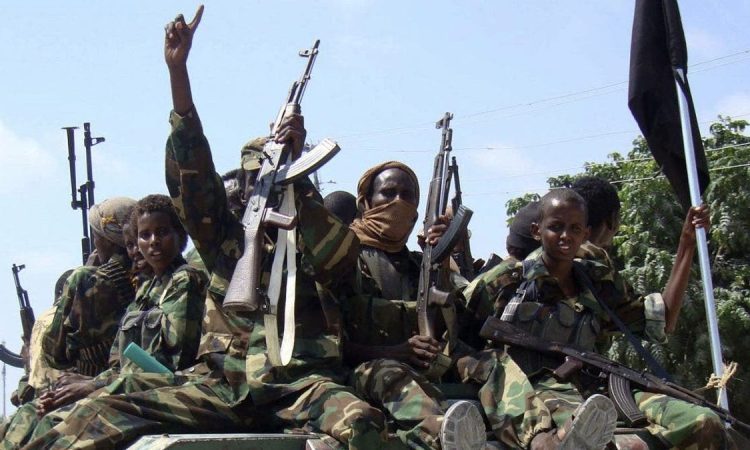
In a decisive escalation of America’s long-running shadow war in the Horn of Africa, U.S. forces launched a concentrated wave of airstrikes across Somalia in early January, targeting the dual threats of the al-Shabab insurgency and the Islamic State’s local affiliate. Operating in close coordination with the Somali federal government, U.S. Africa Command (AFRICOM) carried out precision strikes from the rugged Golis Mountains of northern Puntland to areas near the capital, Mogadishu, as part of a sustained campaign to degrade the groups’ capacity to threaten U.S. interests at home and abroad. This intense series of operations, reported between January 3rd and 12th, marks a significant uptick in tempo, reflecting a hardened U.S. counterterrorism posture in the region.
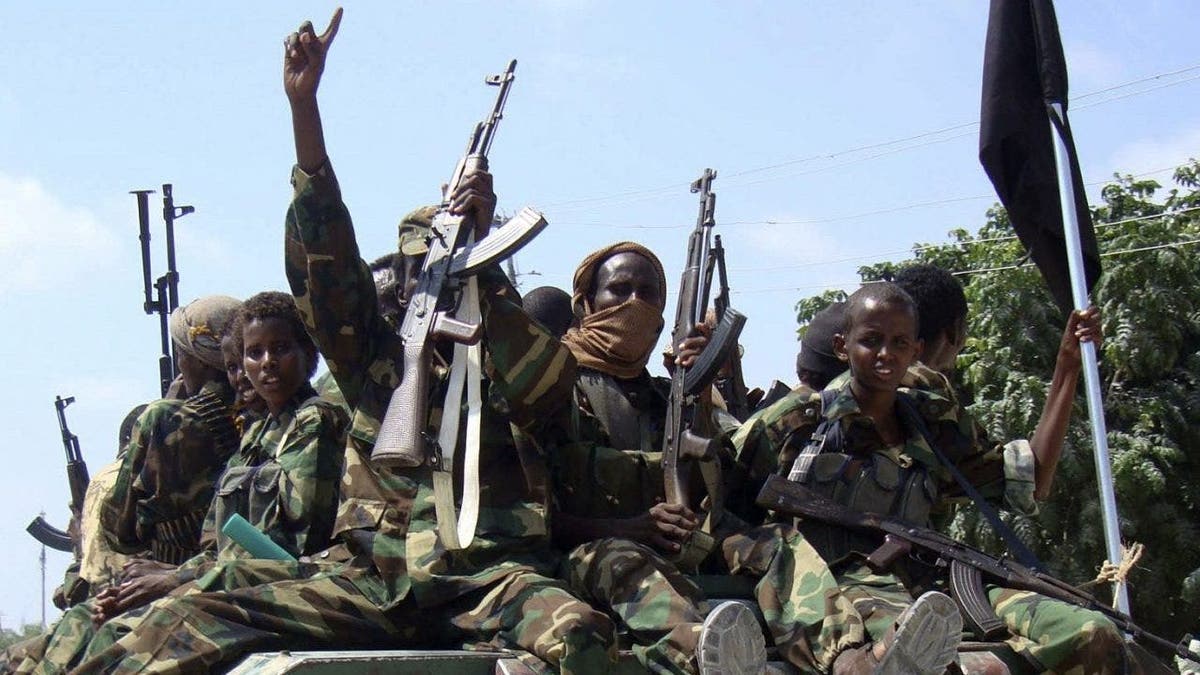
The strikes are a tactical manifestation of a strategy articulated by AFRICOM Commander General Michael E. Langley, who has repeatedly warned that jihadist groups in Africa, if left unchecked, “will pose a direct threat to the U.S. homeland.” The recent operations specifically hit al-Shabab—an al Qaeda affiliate that has waged a brutal war against Somalia’s government since 2007—near Buur Heybo, northwest of Mogadishu. Simultaneously, U.S. aircraft pounded positions of the smaller but potent ISIS-Somalia faction in its northern strongholds. This dual-front offensive underscores the complex battlefield where the U.S. and its Somali partners confront not one, but two entrenched terrorist entities that sometimes compete for influence and territory.
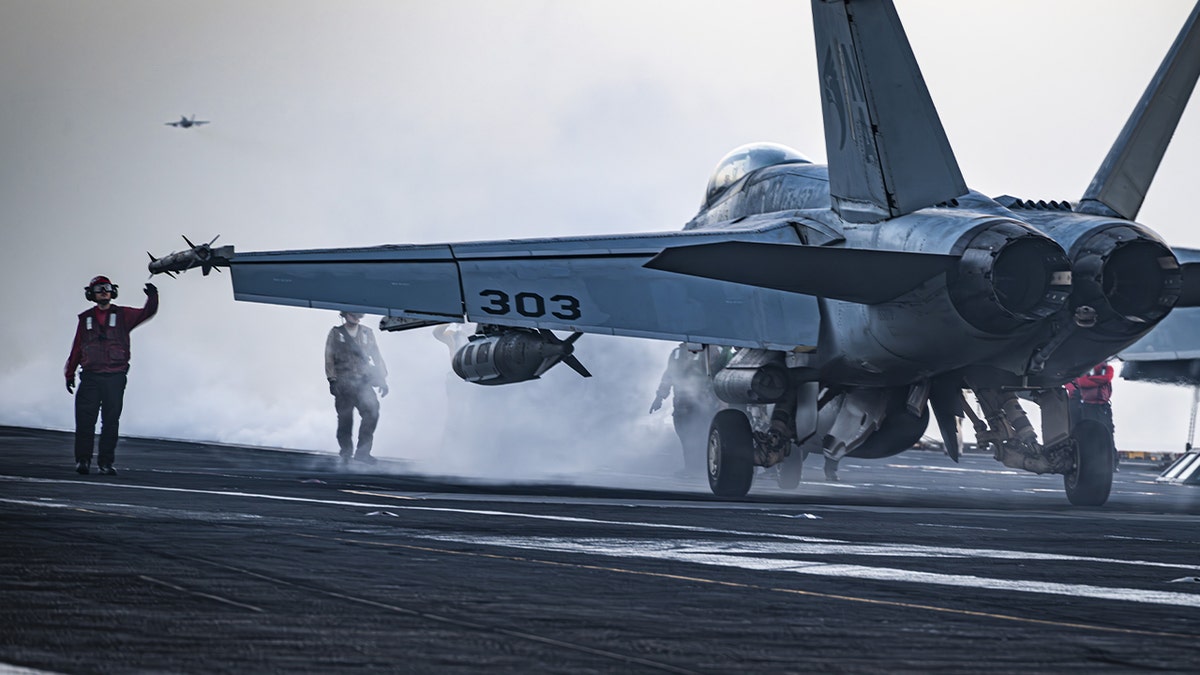
This latest surge in aerial activity continues a trend of intensified engagement since the return of the Trump administration, which has embraced a more aggressive stance against global jihadist networks. Independent monitors report a notable rise in strikes, with AFRICOM confirming 38 conducted in the first half of 2025 alone, a number that has now grown. While no casualty figures from the January strikes were released, the clear signal is one of persistent pressure. As Somalia’s conflict remains one of the deadliest on the continent, these U.S. operations represent a continued, high-stakes bet that sustained military pressure can keep a volatile region from boiling over and exporting terror beyond its borders.