

Fur, Fantasy, and Faith: What Every Parent Must Know About the ‘Furry’ Subculture Creeping into Schools

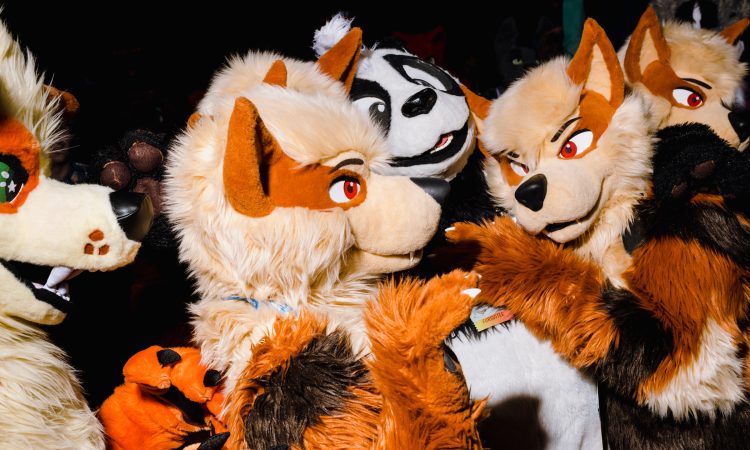
Most parents are familiar with the usual teen fads—slang, music, fashion trends—but many are shocked when they first hear their child mention “furries.” This is not just another passing craze. It is a growing online subculture that has seeped into classrooms, playgrounds, and youth conversations across the globe. While it may appear lighthearted—students wearing cat ears, barking in class, or drawing wolf avatars—the worldview beneath this movement is far more complex, and in some ways, troubling for Christian families.

What Exactly Are ‘Furries’?
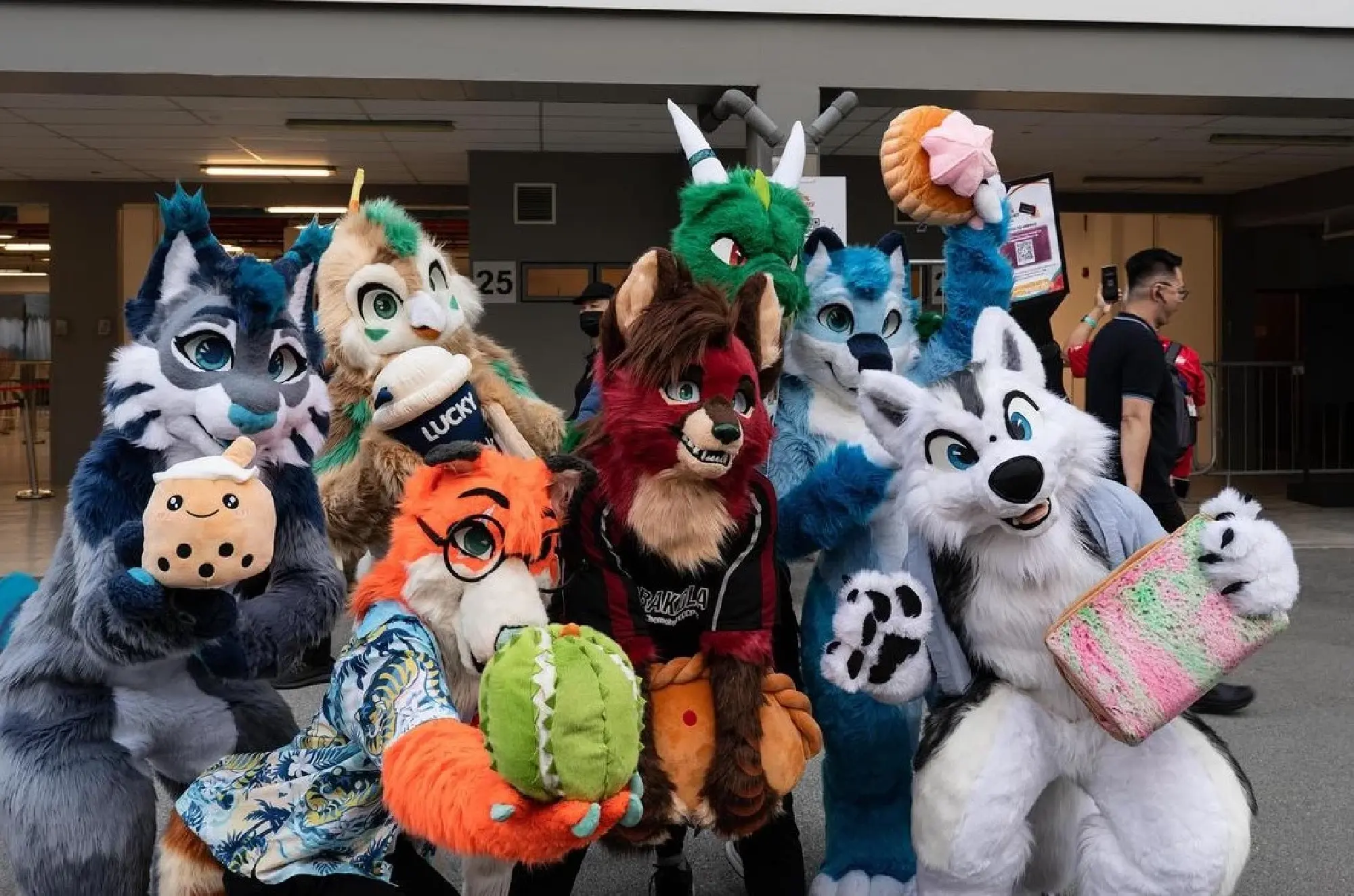
At its core, the furry community is made up of fans, artists, and role-players who create anthropomorphic animal identities, also called “fursonas.” These characters act as their avatars both online and in real life. Some take it a step further by wearing fursuits, tails, or collars, while others identify spiritually as “therians” (believing they are animals trapped in human bodies) or “otherkin” (believing their souls are tied to mythical creatures like dragons or griffins). With an estimated two million participants—most under the age of 25—this subculture is spreading rapidly across digital platforms and into youth spaces.
Why Parents Should Pay Attention
The furry fandom isn’t confined to conventions or internet forums. Increasingly, middle and high schools are reporting students adopting animal personas—barking, meowing, galloping, or even demanding recognition as their “fursona” in class. What may seem like harmless fun often opens the door to confusion around identity, blurred boundaries between fantasy and reality, and even online risks. Parents scrolling Facebook parent groups in small towns across America now read stories of children wearing collars to school or demanding litter boxes in bathrooms—sometimes exaggerated, sometimes real, but always sparking debate.
The Clash with Biblical Truth
While playful role-play may look innocent on the surface, the underlying message of the furry movement—that you can be whatever you say you are—clashes with God’s design. Scripture reminds us: “I praise you, for I am fearfully and wonderfully made” (Psalm 139:14). Our children were created intentionally, with purpose and identity rooted in God’s image—not in the shifting imagination of online avatars. Extending self-identification beyond gender into species not only distorts truth but undermines the sacredness of being human.
The Digital Trap
Furry communities thrive online, where avatars often bleed into real-life identity. For teens navigating fragile years of self-discovery, this can become dangerous. Many experience bullying, confusion, or even predation in digital spaces where boundaries are blurred. Just as Acts 20:28 urges us to “pay careful attention… to all the flock,” parents must recognize that unguarded internet activity can expose children to unhealthy influences wrapped in the guise of “community” and “creativity.”
Grounding Kids in God’s Reality
Our calling as parents is not to panic but to prepare. The internet is filled with fleeting trends, but God’s Word is eternal. Equip your children with the truth: they are not cats, wolves, or dragons. They are God’s beloved children, called to be salt and light in a dark world (Matthew 5:13–16). Engage them in open conversations, teach them discernment, and model a faith that anchors them in the real world, not a virtual one.
In the end, the rise of furry culture is just another reminder that the battlefield for our kids’ hearts and minds has shifted. As culture experiments with new identities, our response must be steady: point them back to the One who knit them together in their mother’s womb (Psalm 139:13). Only in Him can they find their truest, unshakable identity.