
The Fall of Abu Khadija: Inside the Operation That Ended ISIS’ Top Leader in Iraq

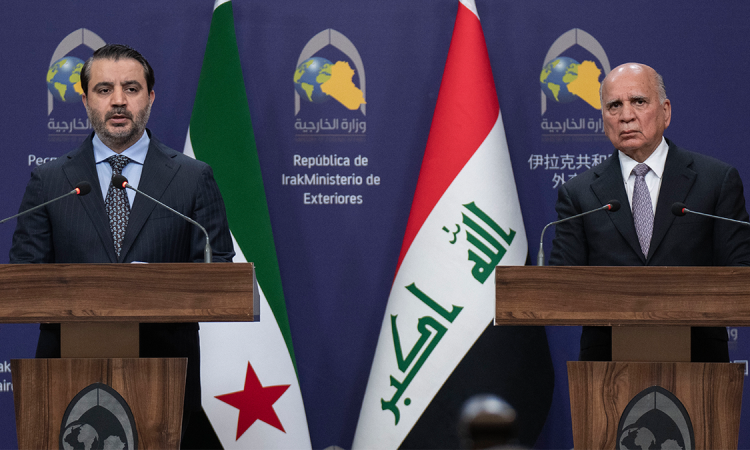
In a decisive blow to the remnants of the Islamic State in Iraq and Syria (ISIS), Iraqi Prime Minister Mohammed Shia al-Sudani announced on Friday that Abdallah Maki Mosleh al-Rifai, known as “Abu Khadija,” was killed in a high-stakes military operation carried out by Iraqi national intelligence operatives in coordination with U.S.-led coalition forces.
The mission, which took place in Iraq’s Al Anbar Province, marks one of the most significant counterterrorism victories in recent years. According to U.S. Central Command (CENTCOM), al-Rifai was ISIS’ Global #2 leader, the Chief of Global Operations, and the Emir of its Delegated Committee—an elite decision-making body responsible for orchestrating terror attacks, global financing, and operational logistics.
The Elimination of a Global Threat
Described by al-Sudani as “one of the most dangerous terrorists in Iraq and the world,” al-Rifai’s reign within the ISIS hierarchy was one of strategic brutality. His influence spanned continents, overseeing operational networks that funneled finances, weapons, and jihadist directives across multiple conflict zones. With his elimination, the terror group faces a significant leadership vacuum.
The operation that led to al-Rifai’s demise involved an airstrike followed by a ground confirmation. When U.S. and Iraqi forces reached the site, they discovered both al-Rifai and another ISIS operative lifeless, each still strapped into unexploded suicide vests, further underlining their unwavering commitment to violent extremism.

Trump Reacts: ‘His Miserable Life Was Terminated’
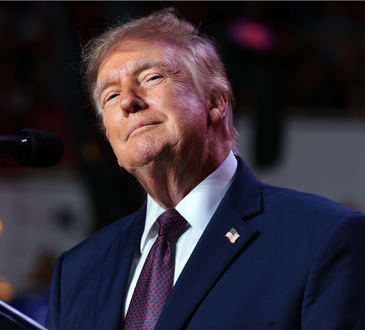
Former U.S. President Donald Trump took to his social media platform, Truth Social, to celebrate the news, stating that al-Rifai was “relentlessly hunted down” and that “his miserable life was terminated.” Trump’s remarks reflect a long-standing American strategy of aggressive counterterrorism, where high-value targets are neutralized to dismantle extremist networks from the top down.
General Michael Erik Kurilla, commander of CENTCOM, echoed this sentiment, declaring, “We will continue to kill terrorists and dismantle their organizations that threaten our homeland and U.S., allied, and partner personnel in the region and beyond.”

A Turning Point or a Temporary Setback?
Al-Rifai’s death is undoubtedly a major victory in the ongoing war against ISIS, but history suggests that the elimination of key leaders does not guarantee the complete dismantling of jihadist networks. ISIS has demonstrated resilience in the past, often regrouping in different forms following major losses. However, the precision and intelligence coordination displayed in this operation signal a persistent and evolving counterterrorism strategy by both Iraqi and U.S. forces.
The coming months will reveal whether ISIS can recover from this critical loss or whether this marks the beginning of its final descent into irrelevance. For now, the world can take a moment to acknowledge that another figure of terror has been permanently removed from the battlefield.