
TRUMP ADMINISTRATION CHALLENGES EUROPE TO STEP UP: AMERICA FIRST POLICY STRENGTHENS NATO, NOT WEAKENS IT

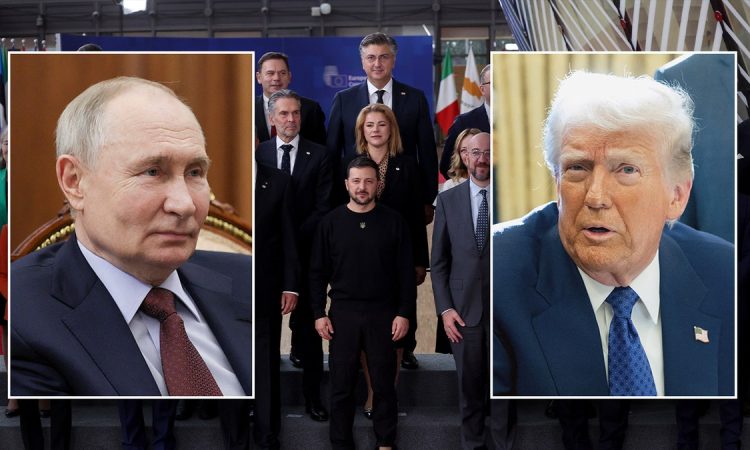
European Leaders Scramble as Trump Redefines Transatlantic Security Strategy
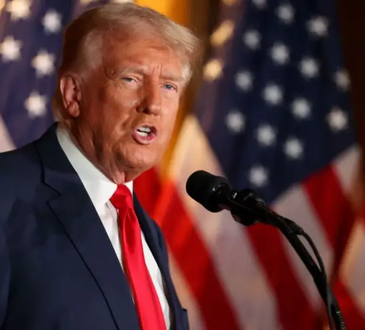
In a dramatic shift that has left European leaders scrambling, President Donald Trump’s return to the White House has reignited a long-overdue conversation about European defense readiness. While some in the European political class wring their hands over a potential shift in U.S. military presence, Trump’s America First policy is delivering a clear and necessary message: Europe must take greater responsibility for its own security.
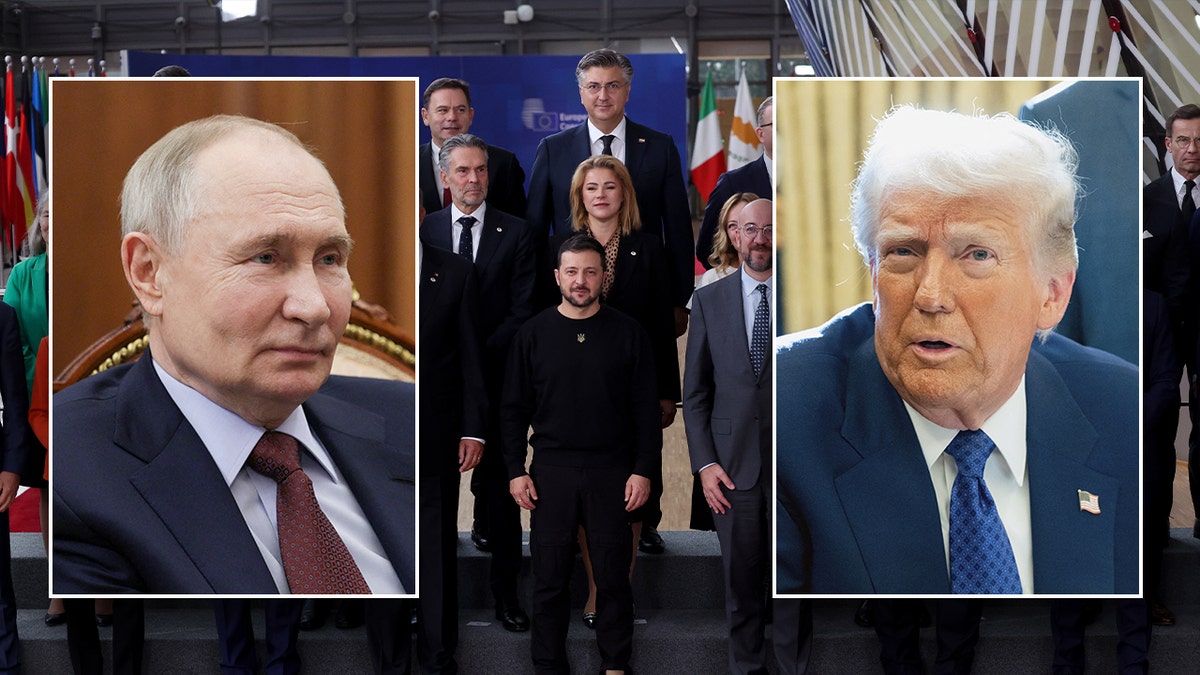
For decades, American presidents—both Republican and Democrat—have urged Europe to stop relying on the U.S. military as a crutch. Yet now, as President Trump takes decisive steps to correct global imbalances, some European leaders are reacting with alarm rather than preparedness.
“The Europeans have a serious problem of readiness … that they’re trying to fix, but it takes time,” Camille Grand, a former NATO official, admitted in a Washington Post report.
Time, however, is running out for those who expect the American taxpayer to bankroll Europe’s security indefinitely.
Trump’s Realignment: Prioritizing America, Not Pandering to Globalists
The notion that Trump is “abandoning” Europe is pure political theater. In reality, his administration is enforcing long-standing expectations that European nations should contribute their fair share to NATO and their own defense. With U.S. foreign policy shifting focus toward China’s aggressive expansionism, maintaining inflated troop levels in Europe without European investment makes little strategic sense.
A NATO diplomat even acknowledged that a drawdown of some U.S. troops—particularly those deployed in emergency response to Russia’s 2022 invasion of Ukraine—would be “a return to normalcy.”
“I would not be surprised if at some point [those troops] go back to their home base in America,” the diplomat stated.
This aligns with Trump’s broader global strategy: America will always be a strong ally, but it will not allow itself to be taken advantage of in one-sided arrangements.
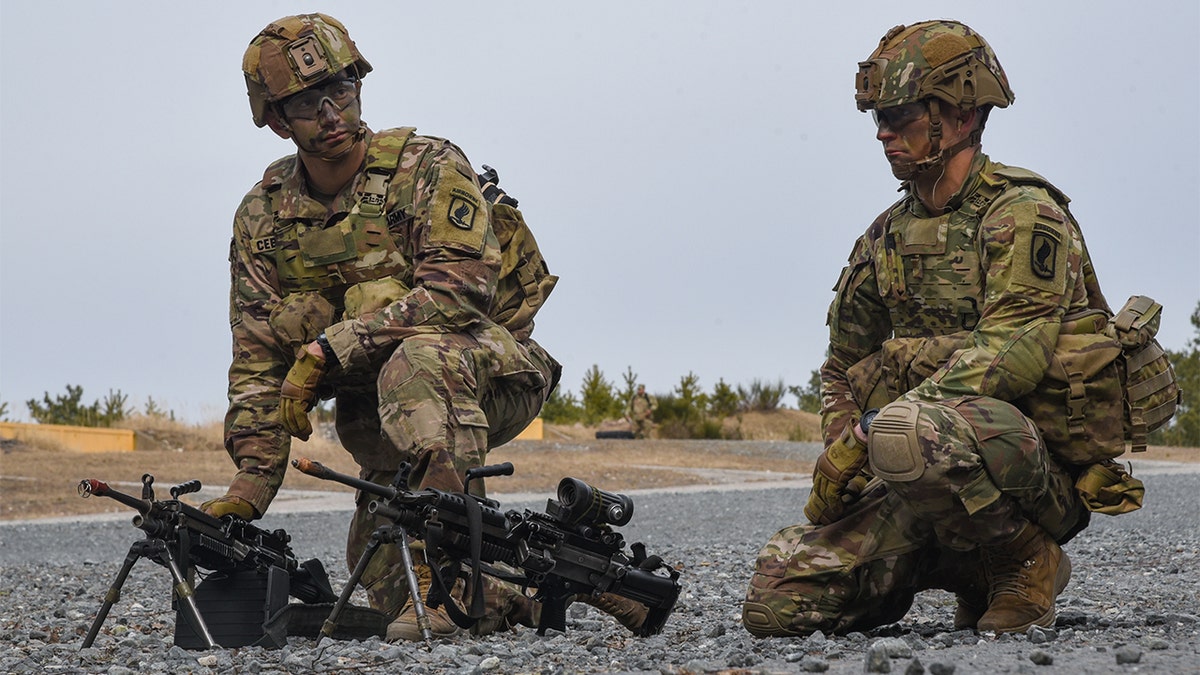
Europe’s Panic: A Crisis of Their Own Making
The real question isn’t whether Trump will reduce troops—it’s why European leaders failed to prepare for this moment despite years of warnings.
At the height of the Cold War, the U.S. had nearly 500,000 troops stationed in Europe. By the early 1990s, that number had already fallen to 350,000 and has continued its steady decline. Today, troop numbers fluctuate between 75,000 and 105,000—a fraction of Cold War levels.
This isn’t a sudden “Trumpian abandonment.” It’s the natural evolution of a defense posture that should have prompted Europe to invest in its own security long ago. Instead, many European leaders continued their dependence on Washington, ignoring reality while funneling resources into failing social policies rather than defense.
“I just worry that, given, frankly, President Trump’s mercurial nature … how much confidence really can Europe have in any degree of American protection and defense,” lamented Nigel Gould-Davies, a former British diplomat.
The irony? European leaders’ confidence in “American protection” was never supposed to be an excuse for their own inaction.
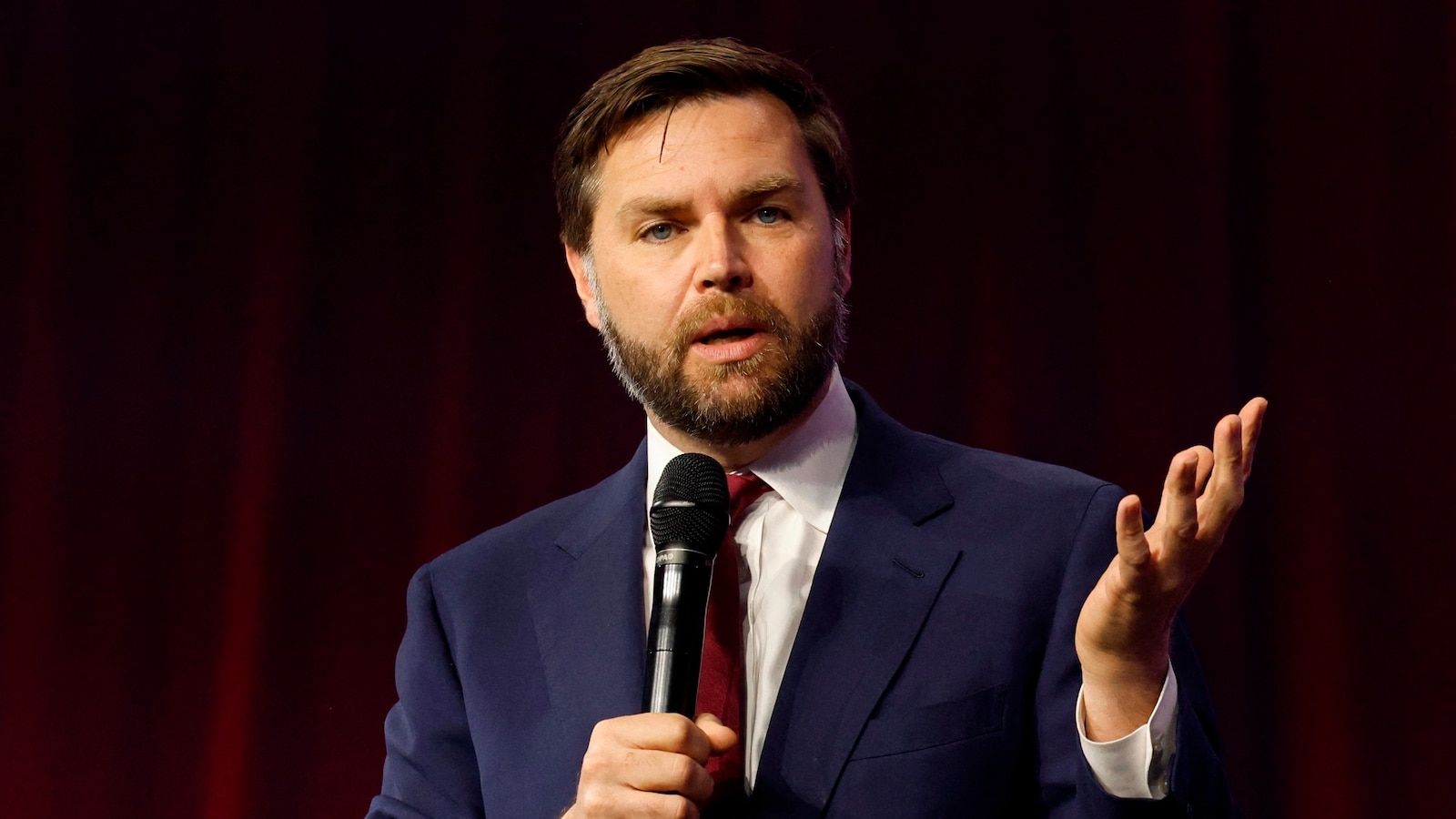
Vance Stands Firm: America Will Not Be Europe’s Security Blanket
Vice President JD Vance has been at the forefront of reasserting America’s priorities. In a recent security conference in Munich, he delivered a pointed rebuke to European leaders who criticize U.S. policy while failing to uphold shared values like free speech and national sovereignty.
The Trump-Vance doctrine is clear: The U.S. remains committed to NATO, but not at the expense of American interests. Europe can no longer rely on an indefinite U.S. military presence while contributing little to its own defense.
Bottom Line: Stronger America, Stronger NATO
Despite media-driven hysteria, Trump’s leadership is not weakening NATO—it’s making it stronger by forcing European nations to become real stakeholders in their own security.
With a rising threat from China, an ongoing war in Ukraine, and economic pressures at home, Trump’s strategic recalibration is not just smart—it’s essential. The days of American taxpayers footing the bill for European security without reciprocity are over.
America isn’t turning its back on Europe. It’s simply ensuring that, for the first time in decades, Europe stands on its own two feet.