
A Global Shift: Australia’s Bold Ban on Social Media for Minors Sparks Pressure on U.S. Lawmakers

In a groundbreaking move, Australia has implemented a ban on social media usage for children under 16—the first nation in the world to take such an unprecedented step. This decisive action is now reverberating across the globe, pressuring U.S. lawmakers to intensify their efforts in safeguarding children online. At the forefront of this legislative push is the Kids Online Safety Act (KOSA), which U.S. Senate leaders are urging the House of Representatives to pass before the Christmas recess.
Bipartisan Momentum in the U.S. Senate
The U.S. Senate’s overwhelming bipartisan support for KOSA earlier this year, with a 91-3 vote, underscored the urgency of addressing online threats to minors. Senate Majority Leader Chuck Schumer (D-NY) and Senator Marsha Blackburn (R-TN) co-signed a letter this week urging House members to act. “These bills will provide the appropriate guardrails necessary to protect kids against online threats,” Schumer emphasized.
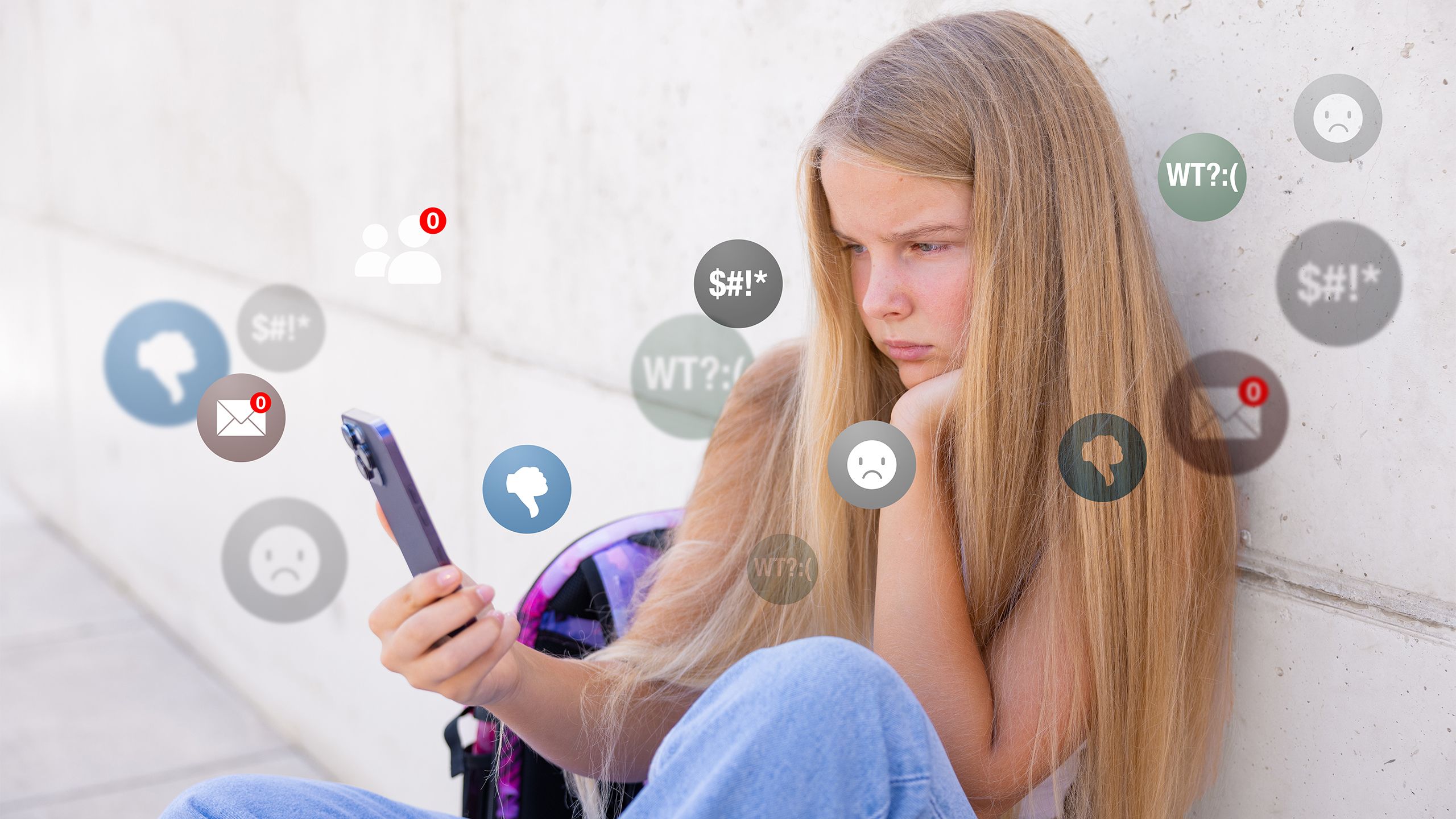
KOSA aims to hold tech companies accountable by mandating enhanced safety measures, including default high-security settings and the dismantling of harmful algorithms. Such algorithms have been linked to severe mental health crises among minors, as highlighted by Melissa Henson, Vice President of Programs at the Parents Television and Media Council. “We’ve heard stories about kids being fed content that encouraged self-harm during vulnerable moments,” Henson stated.
The Role of Faith and Mental Health
Beyond immediate online dangers, experts warn of deeper societal consequences. Kelly Newcomb, founder of Brave Parenting, pointed out the erosion of spiritual values. “Most children start walking away from their faith when they get smartphones and social media,” she explained. “It introduces a worldview starkly different from biblical teachings.”
Social media’s impact extends to mental health issues such as eating disorders, low self-esteem, and disrupted sleep patterns—concerns echoed by parents and psychologists worldwide.

Australia’s Bold Stance and Global Reactions
Australia’s ban reflects the growing frustration of parents grappling with tragic outcomes linked to online exploitation. Advocates like Wayne Holdsworth, whose teenage son died by suicide after being extorted online, champion the law as a lifeline for families. “Anyone opposing this has not lived through the pain I have,” Holdsworth remarked.
However, critics question the enforceability of such a ban without advanced tools like digital IDs or facial recognition. “Checking a box to confirm your age is hardly foolproof,” noted Leo Puglisi of 6 News Australia.
The United Kingdom is also exploring restrictive measures, including safer smartphone designs for children under 16 and school-use limitations. This follows harrowing cases like that of Ollie Stephens, a teenager whose life ended in violence following a social media dispute. “The content on his phone was horrific and unimaginable for a child,” said Ollie’s father, Stuart Stephens.

Freedom of Expression vs. Child Safety
The debate is further complicated by free speech advocates. Tech companies argue that social media provides critical educational and social benefits for minors. The American Civil Liberties Union (ACLU) has criticized KOSA, claiming it infringes on First Amendment rights by imposing content censorship.
Despite these concerns, momentum for stricter online safety regulations is building. Australia’s decisive action has set a new benchmark, challenging other nations to reconsider their approaches to online child protection. As U.S. lawmakers deliberate KOSA, the world watches to see whether America will follow Australia’s lead in prioritizing the safety and well-being of its youngest citizens.
A Call to Action
The stakes are high as the U.S. House nears a pivotal decision. For parents, educators, and policymakers alike, the choice to act—or not—will shape the digital landscape for generations to come. With Christmas recess fast approaching, the question looms: will the United States rise to meet the challenge?