

The 15-Minute Threat: How a 1958 Farm Tragedy Foretold America’s Rare Tick-Borne Virus Surge

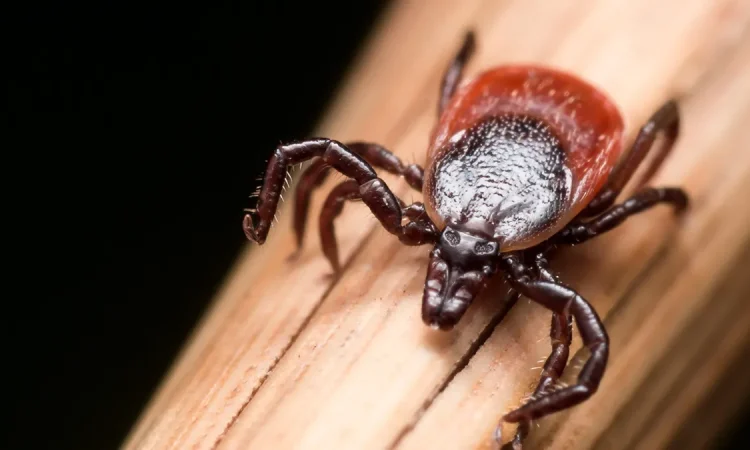
A heartbreaking medical mystery from 1958 involving a four-year-old boy on a farm in Powassan, Ontario, has resurfaced as a chilling public health warning. The boy, Lincoln Byers, died from a condition that baffled doctors at the time, but the virus that took his life lay dormant in the shadows of medical knowledge for decades . Years later, researchers finally made the connection when they discovered the same virus in a tick on a dead squirrel. It was named the Powassan virus, and it remained an obscure medical anomaly for years . However, new data from the Centers for Disease Control and Prevention (CDC) shows a dramatic and alarming resurgence: 76 Americans were diagnosed with the virus in 2025, the highest annual total ever recorded . This marks a staggering leap from the average of just seven to eight cases per year seen in the past.
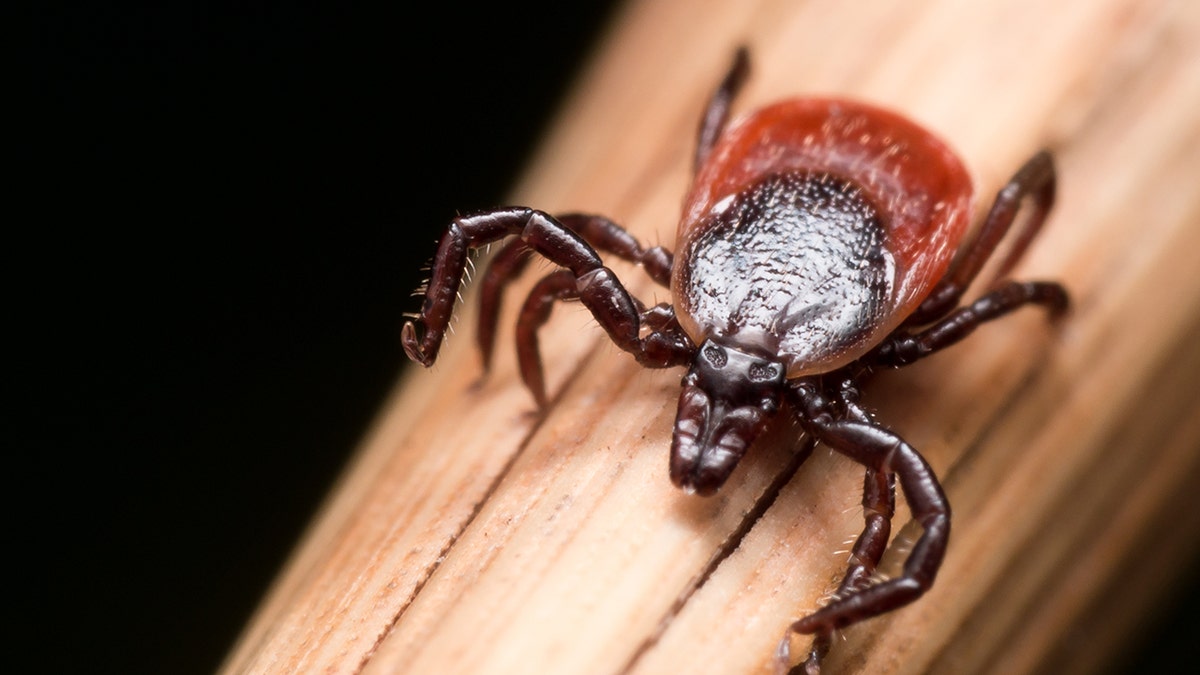
The virus, typically transmitted through the bite of an infected deer tick or woodchuck tick, is unique in its speed of transmission . Unlike Lyme disease, which often requires 36 to 48 hours of attachment to transmit, Powassan can be passed to a human host in as little as 15 minutes . “One of the most dangerous aspects is its rapid transmission,” Dr. Jorge P. Parada told Fox News Digital. “Powassan can be transmitted in as little as 15 minutes after the infected tick bites” . With an incubation period of one to four weeks, symptoms can escalate from fever, headache, and vomiting to severe neurological complications like encephalitis and meningitis . Approximately 10% of severe cases are fatal, and half of survivors face long-term neurological issues . With no specific vaccines or treatments available, the medical community is left with supportive care as the only option, emphasizing that avoidance remains the most effective defense against this rapidly spreading threat.