
On the Brink: Vance Touches Down in Islamabad as a “Fragile” Ceasefire Holds by a Thread

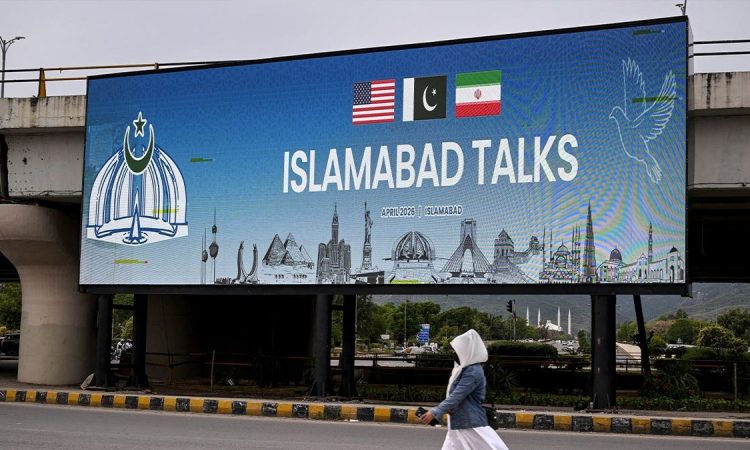
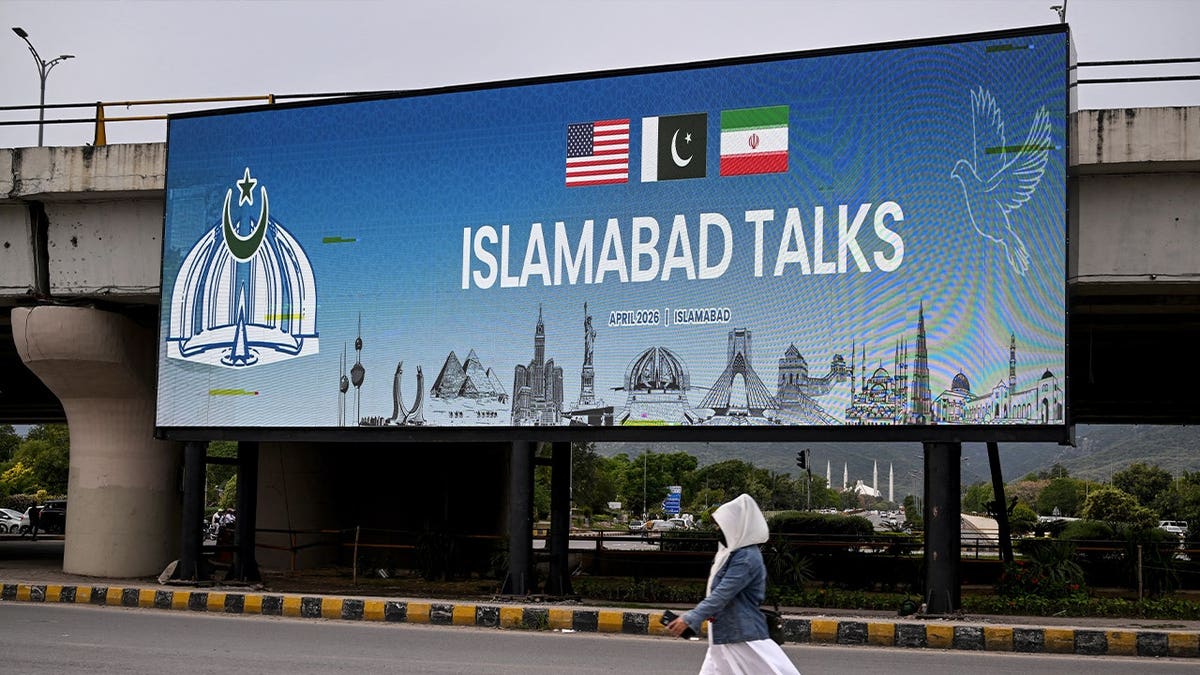
In a high-stakes diplomatic gamble that could determine whether the Middle East inches toward peace or spirals back into open warfare, Vice President JD Vance arrived in Pakistan early Saturday for what are being called the most consequential U.S.-Iran negotiations in decades. Accompanied by a heavyweight delegation including U.S. Special Envoy Steve Witkoff and Jared Kushner, Vance will sit across the table from Iranian Foreign Minister Abbas Araghchi and Parliament Speaker Mohammad Bagher Ghalibaf in Islamabad—a neutral venue brokered by Pakistan after the two nations came terrifyingly close to a ground war. The backdrop could not be more tense: just over a month after the U.S. launched Operation Epic Fury, a sweeping military campaign targeting Iran’s military infrastructure, President Trump announced a two-week ceasefire on Tuesday, halting further American strikes in exchange for Iran reopening the strategic Strait of Hormuz. But with shipping traffic still disrupted and both sides viewing the truce as tenuous at best, Vance himself described the agreement as a “fragile truce,” warning Iran bluntly before departure: “If they’re gonna try and play us, then they’re gonna find that the negotiating team is not that receptive.”
The stakes could not be higher, nor the path to success more riddled with landmines. Iran’s Supreme National Security Council has already signaled its conditional posture, accepting the ceasefire but warning that “our hands remain upon the trigger” if the agreement is violated. Tehran has also tied the talks’ success to Lebanon, demanding that Israeli strikes on Hezbollah cease—a condition the U.S. and Israel have rejected as outside the truce’s scope. Complicating matters further, Pakistan’s role as mediator has drawn sharp criticism after its defense minister called Israel’s actions a “curse on humanity,” prompting Israeli officials to publicly declare, “we don’t trust Pakistan.” Meanwhile, the security environment in Islamabad remains treacherous; the State Department classifies Pakistan as a Level 3 travel risk, and a former Secret Service agent who traveled there with President George W. Bush recalled that “the threat environment was one of the worst the Secret Service had ever operated in.” As Vance’s delegation steps into this cauldron of mistrust, military brinkmanship, and diplomatic fragility, the world watches with bated breath to see whether these talks will produce a lasting breakthrough or simply become the prelude to an even deeper conflict.