
‘Good vs. Evil or Cultural Erasure?’ Mount Zion’s New Film Ignites Fiery Debate Over Yoruba Spirituality in Christian Cinema

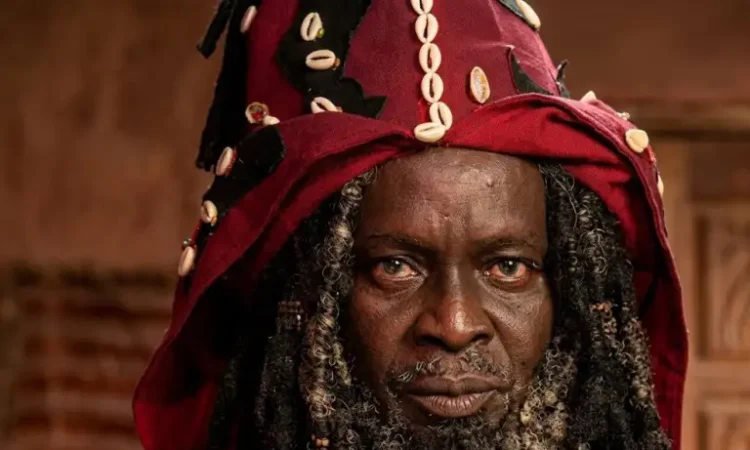
A storm of controversy has erupted across Nigerian social media following the release of promotional materials for Agbara Nla, an upcoming film from the renowned Mount Zion Faith Ministries production house, with critics accusing the ministry of perpetuating harmful stereotypes that portray Yoruba spirituality as evil while positioning Christianity as morally superior. The debate was ignited by social commentator Ifẹṣọlá, who took to X (formerly Twitter) to challenge Mount Zion and similar Christian productions, arguing that audiences are becoming increasingly critical of what she described as decades of cultural stereotyping in faith-based films. “They have consistently painted traditional religion as darkness and Christianity as light,” she charged, sparking a firestorm of responses that quickly escalated into a broader conversation about the intersection of faith, culture, and storytelling in Nigeria.

In a robust defense, filmmaker and actor Joshua Mike-Bamiloye pushed back, arguing that Mount Zion’s body of work actually celebrates Yoruba culture through its language, proverbs, traditions, and royal institutions—while maintaining a distinctly Christian worldview. He insisted that the ministry’s message is not a conflict between Yoruba culture and Christianity, but rather a spiritual distinction between good and evil that transcends geographical or cultural origins, and challenged critics to assess the ministry’s entire catalogue rather than judging its work based on a limited number of productions set in traditional environments. The exchange has laid bare a generational and ideological divide: while some defend the right of Christian filmmakers to express their theological convictions through art, others see these portrayals as a form of cultural erasure that reinforces colonial-era biases. With Agbara Nla scheduled for release on October 1, the debate shows no signs of cooling—and may well force faith-based filmmakers across Nigeria to reckon with a critical question: how do you tell stories rooted in faith without alienating those whose cultural heritage is cast as the antagonist?