

‘Our Roots or a Ridiculous Farce?’: Kent County Council Revives the Lord’s Prayer—and a Heated Debate

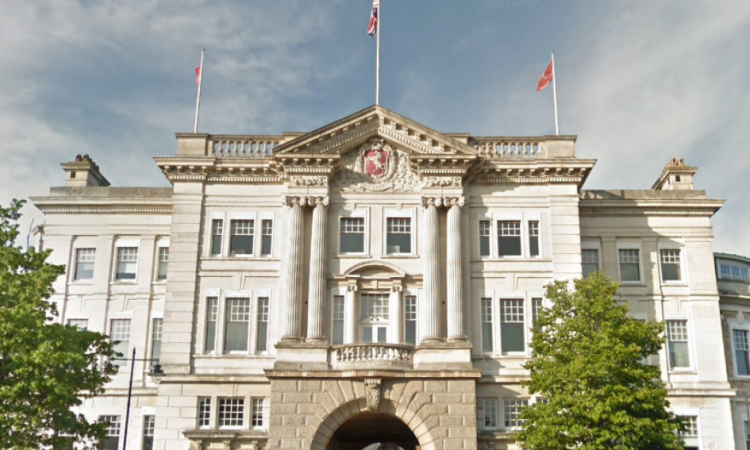
In a striking departure from nearly four decades of secular tradition, Kent County Council has voted to reintroduce the Lord’s Prayer at the start of its meetings, alongside a closing rendition of the national anthem. The motion, championed by Reform UK councillor Christopher Hespe and backed by 48 members of the Reform-controlled authority, passed despite an amendment proposing a silent moment of reflection to better reflect the area’s multi-faith reality. Council Leader Linden Kemkaran defended the decision, calling the Lord’s Prayer a “profound unifier” that should “take up the space” of neutrality. For Hespe, the move is about “heritage” and “our roots,” and he expressed astonishment at what he called “hostility” toward the Christian prayer. But not everyone shares that nostalgia—Green councillor Rob Yates dismissed the change as “a ridiculous farce,” adding bluntly that he is “not paid by taxpayers to sing songs and pray.”
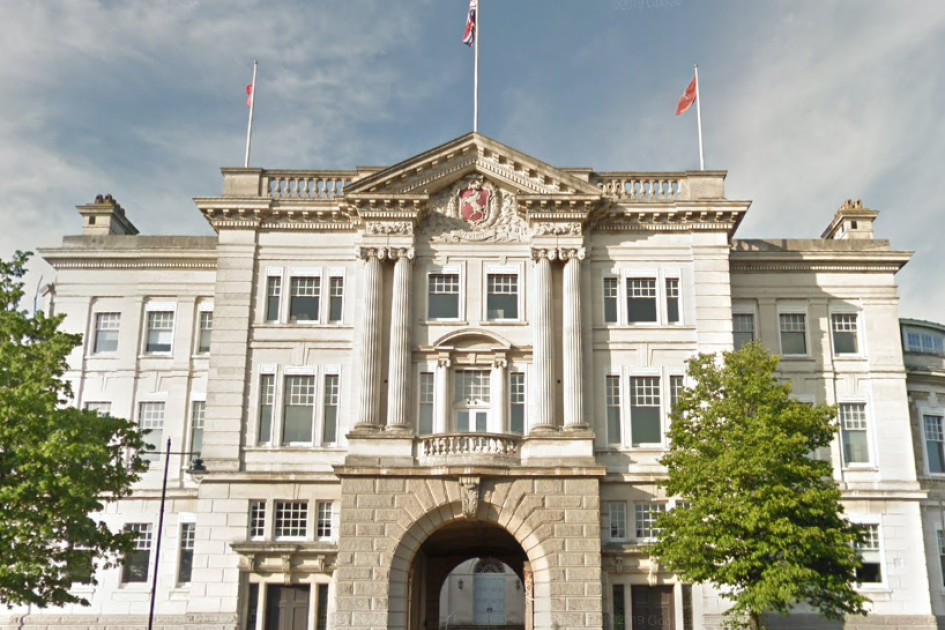
Criticism has extended well beyond the chamber. The National Secular Society labeled the decision “regressive and divisive,” warning that it sends “entirely the wrong message to the people of Kent.” The vote places Kent alongside Derbyshire, which introduced similar prayers last year after its own Reform UK takeover, while bucking a broader trend seen in places like St Albans, which ended prayers precisely because they could “exclude or alienate individuals of different faiths or those without religious beliefs.” With the first prayer-led meeting scheduled for July 16th, Kent now finds itself at the center of an enduring national question: in an increasingly diverse society, does a Christian prayer unite a community, or does it silently push some of its members to the margins?