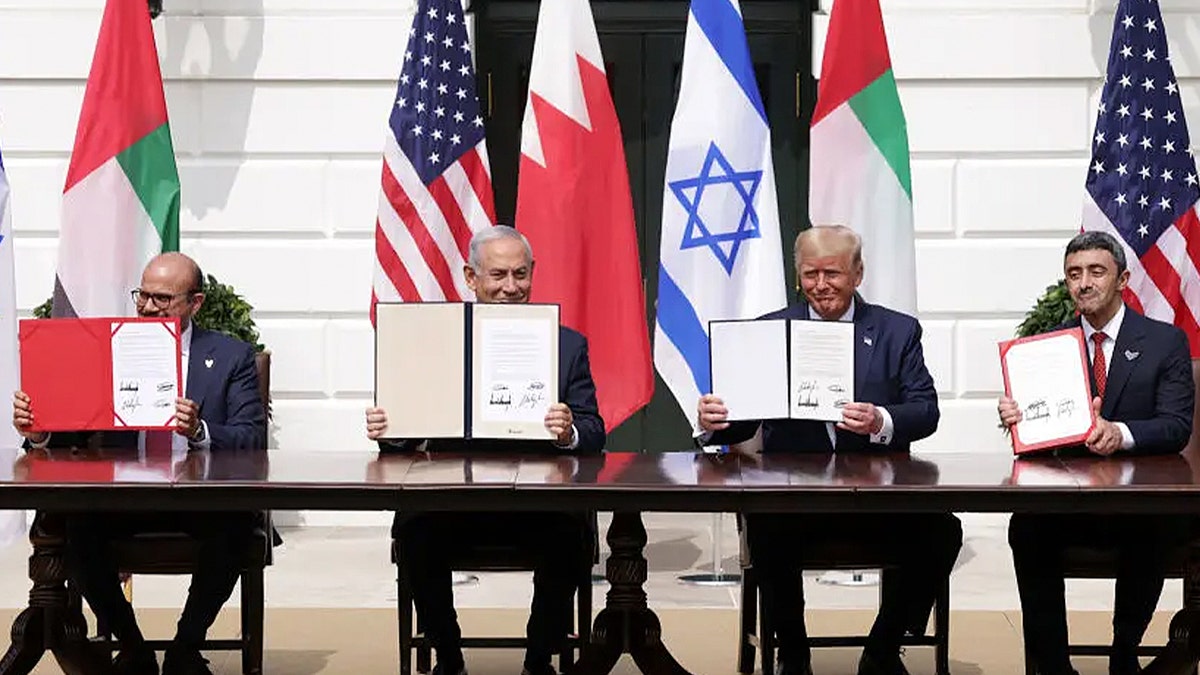

“Diplomatic Blunder or Domestic Politics?” – Netanyahu’s “Secret Visit” Claim Strains U.S.-Brokered Anti-Iran Alliance

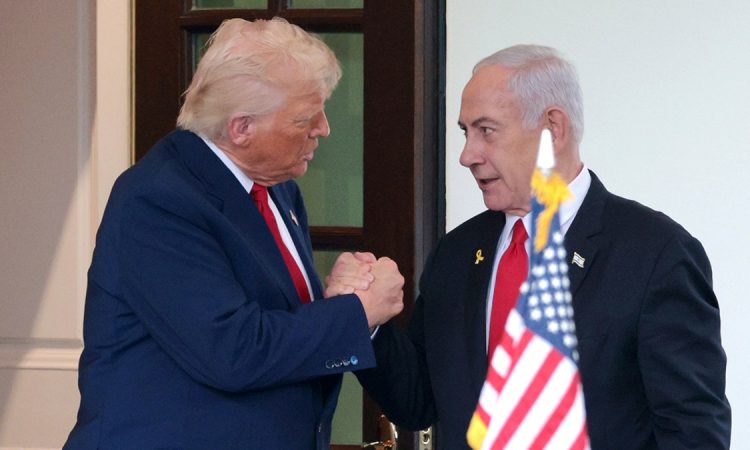
The U.S.-brokered alliance designed to counter Iran in the Middle East is showing visible signs of strain following a public disagreement between Israel and the United Arab Emirates, just as the possibility of a broader conflict with Tehran intensifies. The friction first surfaced on May 13 when Israeli Prime Minister Benjamin Netanyahu’s office announced that he had held a “historic breakthrough” meeting with UAE President Sheikh Mohammed bin Zayed Al Nahyan during what was described as a “secret visit” to Al Ain, near the Oman border. However, the UAE’s Ministry of Foreign Affairs issued a swift and unequivocal denial, stating that its relations with Israel are “public” and were established transparently through the Abraham Accords. “These relations are not based on secrecy or clandestine arrangements,” the ministry added, declaring that any claims of undisclosed visits are “baseless unless issued by the relevant official authorities in the UAE.” The rare public rebuke has raised questions about the depth of trust between the two key American allies, even as Iran continues to pose a grave threat to both nations.
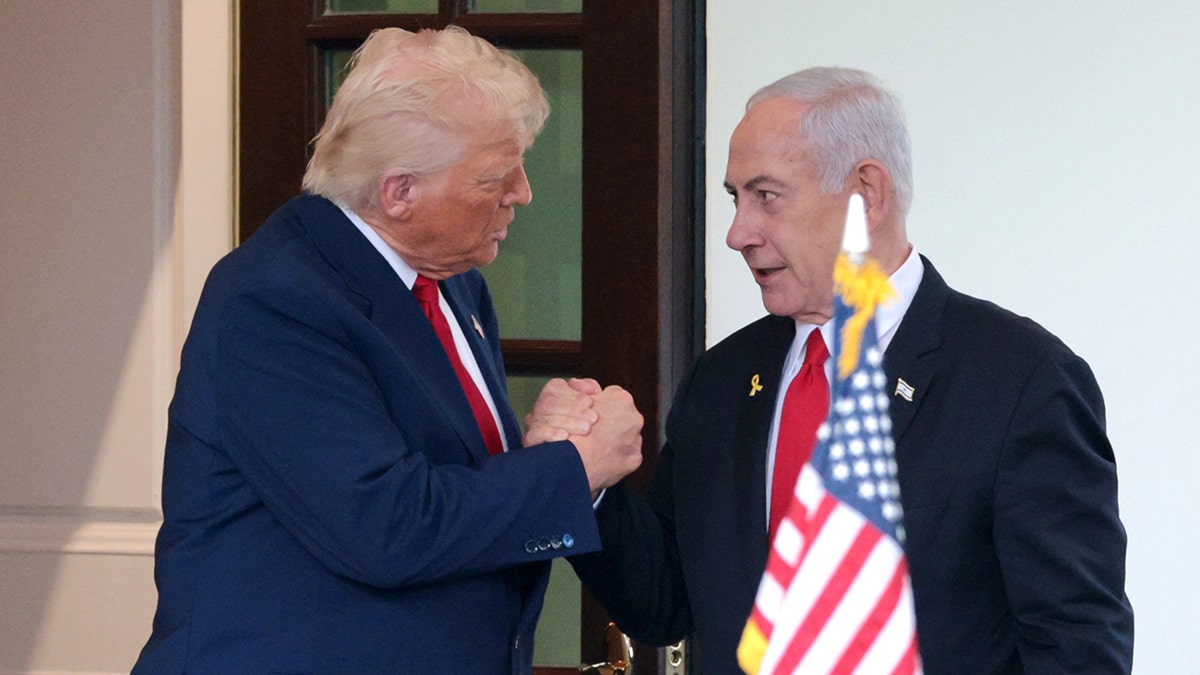
According to Natan Sachs, a senior fellow at the Middle East Institute, Netanyahu’s claim “seems like a diplomatic blunder because it embarrasses the UAE.” Sachs told Fox News Digital that “the stakes are high,” noting that the UAE has been a close partner of Israel throughout the recent war and remains the most vulnerable to Iranian short-range missiles. “The UAE received much of the fire from Iran. It is the most vulnerable… yet it stood out by sticking most clearly to its strategy of open partnership with Israel,” Sachs explained. He added that the public disclosure of Netanyahu’s alleged visit “may have just been seen as a step too far,” suggesting that either the Israeli leader acted without forethought or was motivated by domestic political calculations. “It would not be the first time he did that,” Sachs remarked. As President Donald Trump spoke with Netanyahu on Sunday amid escalating tensions over Iran, the incident serves as a sobering reminder that even the strongest alliances require constant care—and that secrecy, once exposed, can unravel trust faster than any foreign missile.