
Silent Movements, Shocking Results: The 800-Year-Old Chinese Secret That Outperforms Pills

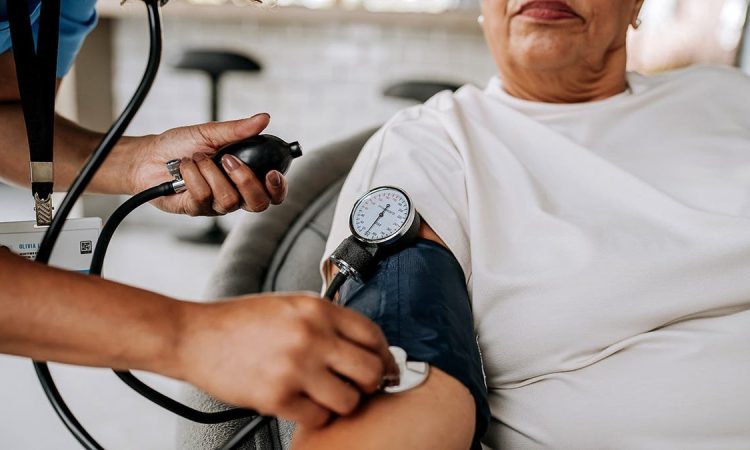
What if the most powerful blood pressure medicine in the world didn’t come in a bottle—but in ten minutes of slow, silent movement? In a stunning clinical trial that has left cardiologists rethinking everything, researchers have discovered that Baduanjin, an ancient Chinese practice dating back at least 800 years, lowers blood pressure just as effectively as some first-line prescription medications. The study, published by the American College of Cardiology, followed 216 adults aged 40 and older with Stage 1 hypertension over the course of a full year. The results were nothing short of astonishing: participants who practiced just ten minutes of Baduanjin five times per week experienced significant blood pressure reductions within three months—reductions that researchers explicitly described as “comparable to those seen with some first-line medications.” Even more shocking? The practice performed just as well as brisk walking, a far more intense form of exercise, leading one cardiologist to admit, “I was biased and expected that higher intensity exercise like brisk walking would have resulted in greater improvement… but the effects were the same.”

Here is where the story takes an even more provocative turn. While Western medicine has long prioritized pharmaceutical interventions for hypertension, Eastern practitioners have quietly been preventing the fire rather than fighting the flames. Dr. Antony Chu, clinical assistant professor at Brown University’s Warren Alpert School of Medicine, offered a blistering comparison: Western medicine, he said, is “reactionary”—like waiting for a house to catch fire before scrambling for hoses and extinguishers. Eastern medicine, by contrast, focuses on preventing the spark altogether. Baduanjin works not by forcing the body to comply through chemicals, but by calming the nervous system and reducing stress—the silent, invisible driver of so many modern health crises. “People are totally stressed out,” Chu said plainly. “And stress reduction is huge.” The eight slow movements, paired with gentle breathing and meditation, lower blood pressure by addressing the root rather than just the symptom. Yet this ancient wisdom has been largely ignored by mainstream medicine—until now.

The implications are seismic, especially for the millions of Americans desperately searching for non-pharmaceutical pathways to better health. Left untreated, high blood pressure is a silent killer, dramatically increasing risks of stroke, heart attack, atrial fibrillation, and congestive heart failure. But Dr. Matthew Saybolt, medical director of Hackensack Meridian Jersey Shore University Medical Center’s Structural Heart Disease Program, says this study offers something rare and precious: hope that doesn’t immediately have to include pharmaceuticals. “Lifestyle changes” have often felt like an impossible mountain to climb—vague, overwhelming, and demanding near-monastic dedication. But Baduanjin requires no gym membership, no expensive equipment, no drastic life upheaval. As Chu translates simply: “Close the door in your office and just say, ‘I can’t be bothered for 10 minutes,’ and just focus on breathing slowly and moving your arms or legs around.” While Big Pharma continues to profit from lifelong prescriptions, this 800-year-old movement whispers a revolutionary truth: sometimes the most advanced medicine looks nothing like medicine at all. The question now is not whether Baduanjin works—it clearly does. The question is why we are only just beginning to listen.