

‘Ghost Text’ Revealed: 42 Lost Pages from Sixth-Century New Testament Manuscript Recovered in Glasgow


GLASGOW – In a discovery being called “nothing short of monumental,” researchers at the University of Glasgow have successfully recovered 42 missing pages from a sixth-century New Testament manuscript known as Codex H, which contains the Letters of St. Paul. The manuscript, originally crafted in the 500s, was dismantled during the Middle Ages—its precious pages scraped, folded, and stitched into other books, scattered across libraries throughout Europe. For centuries, those pages were considered lost forever. But a team led by Professor Garrick Allen used advanced imaging technology to detect faint traces of “ghost” text—residual ink that had soaked into the parchment over 1,500 years. By digitally peeling back layers of medieval reuse, they reconstructed the missing pages with stunning clarity. The recovered material offers an unprecedented glimpse into how early believers read, corrected, and wrestled with Scripture during a formative period when the New Testament canon was still taking shape.
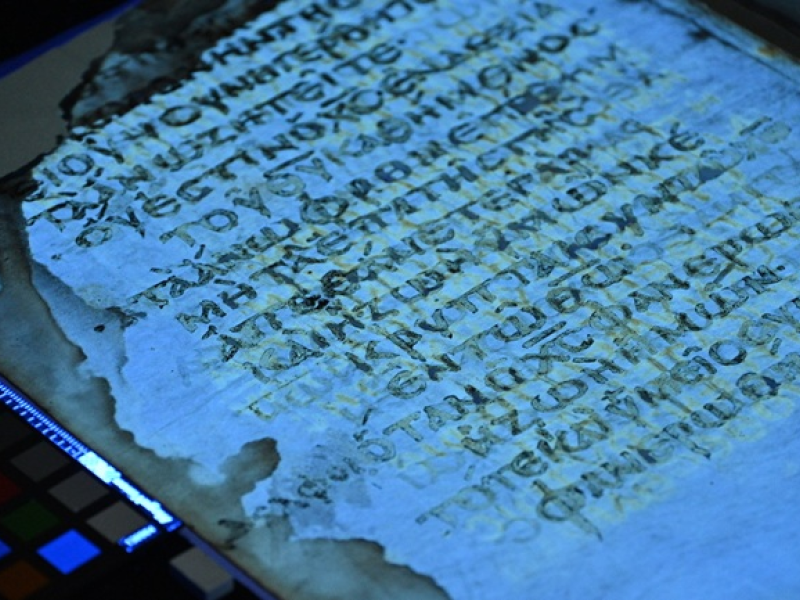
What makes the find truly captivating isn’t just the text—it’s the human fingerprints left behind. Professor Allen told Premier Christian News that scribes and later readers actively annotated the manuscript, correcting errors, scribbling prayers in the margins, composing little pious poems, and even practicing handwriting. “We see how the Bible is a place of active engagement,” he said. Among the anonymous users were monks in remote communities, whose quiet devotion is now visible after fourteen centuries. The manuscript also sheds light on the fourth through sixth centuries—an era when believers were grappling with which texts belonged in the Bible and how they related to one another, “questions that many of us still ask today,” Allen noted. While the 42 lost pages contain known passages from Paul’s Letters, their value lies not in new scripture but in new context: a living, breathing snapshot of faith in the making. For scholars and believers alike, it’s a reminder that even what seems permanently lost can, with patience and technology, whisper again across the ages.