
He Designed Shooter Games—Then Became the Shooter: CalTech Grad, NASA Fellow Now Accused of WHCD Attack

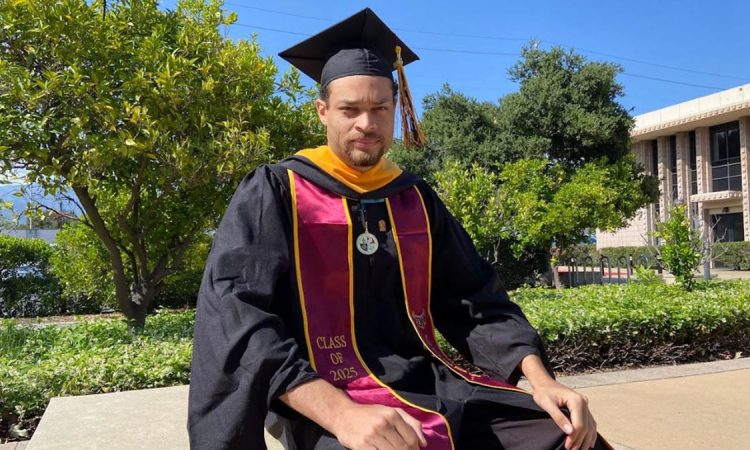
In a chilling irony that has stunned the nation, the man accused of opening fire at the Washington Hilton Hotel during the White House Correspondents’ Dinner on April 25 has been identified as Cole Allen, 31—a highly accomplished computer scientist from Torrance, California, who once designed first-person shooter games for a living. According to his LinkedIn profile and online records, Allen’s biography reads like a dream résumé: a graduate of the prestigious California Institute of Technology (CalTech), a summer research fellow at NASA’s Jet Propulsion Laboratory, and the creative mind behind shooter role-playing games such as “First Law” and the complex physics-based “Bohrdom.” But on Saturday night, authorities say, that same man rushed a Secret Service checkpoint armed with multiple weapons and opened fire on a federal officer—striking the officer in his ballistic vest. The officer was hospitalized; Allen was also taken to the hospital after agents returned fire, though he was not struck. President Donald Trump, First Lady Melania Trump, and top cabinet officials were rushed from the venue as chaos erupted. U.S. Attorney Jeanine Pirro has charged Allen with two counts of using a firearm during a crime of violence and assault on a federal officer, with more charges expected.
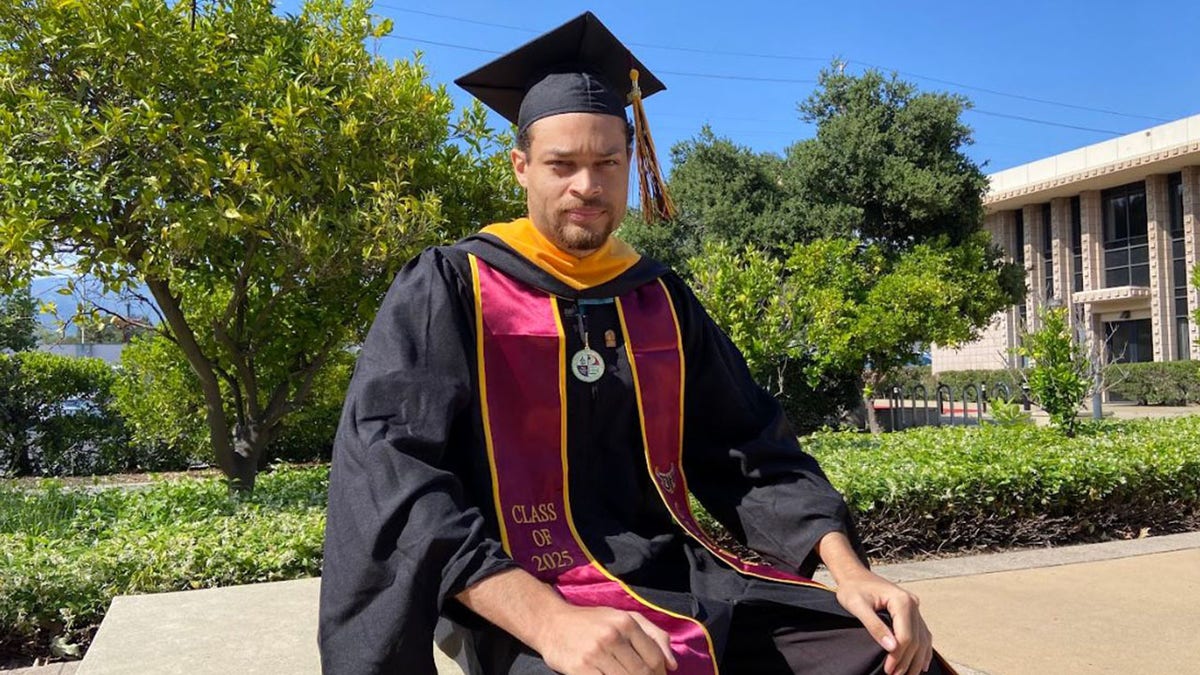
The shocking turn is made all the more disturbing by the stark contrast between Allen’s public achievements and the violence he allegedly committed. After graduating CalTech in 2017, Allen continued his education, earning a master’s degree in computer science in May 2025 from California State University, Dominguez Hills. He worked as a tutor at C2 Education, where he was honored as “Teacher of the Month” in December 2024. Federal Election Commission records show he donated $25 to Kamala Harris during the 2024 election cycle. Yet authorities now describe a “lone wolf” who breached one of the most heavily secured political events in the nation. President Trump called him “a very sick person.” As investigators scramble to uncover what transformed a promising scientist and game developer—who once simulated combat virtually—into an alleged real-world gunman, the nation is left grappling with a terrifying question: when does the game stop being a game? No other injuries were reported, but the psychological wound to a nation already weary of political violence may take far longer to heal.