
“First Blood”: Mamdani’s Veto Watershed – Protecting Students or Protecting Protest?

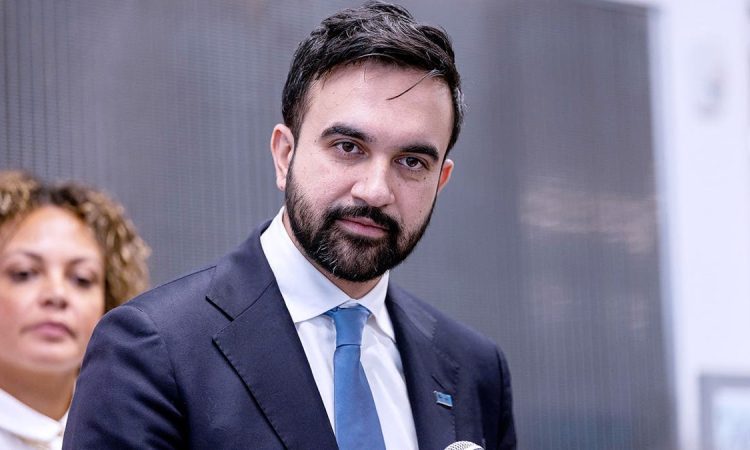
In a fiery baptism of political will, New York City Mayor Zohran Mamdani has wielded his first veto like a battle axe—and he aimed it squarely at a rare bipartisan effort to combat antisemitism. The legislation, Int. 175-B, seemed unassailable on its face: it simply required the NYPD to develop safety plans for educational facilities facing risks of physical obstruction, intimidation, or injury. But Mamdani framed his rejection not as a failure of compassion for Jewish students—who endure hate crimes at a staggering rate of 57% of all reported incidents—but as a defense of the far left’s sacred cow: the right to protest. “This could impact workers protesting ICE or college students demanding divestment from fossil fuels,” he declared, effectively telling terrified Jewish families that their safety ranks below the political comfort of activists. Speaker Julie Menin, who championed the bill as part of a “Five-Point Action Plan to Combat Antisemitism,” now faces the sobering task of a potential override.
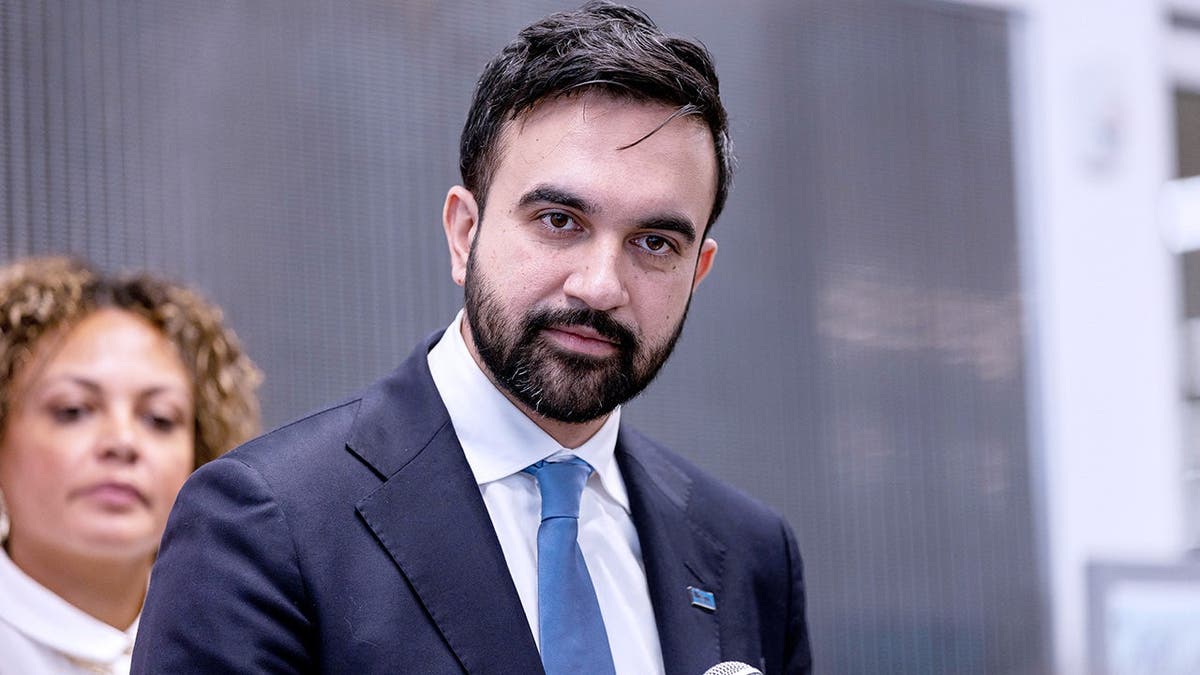
The backlash has been swift, visceral, and deeply personal. Former Governor Andrew Cuomo, never one to mince words, accused Mamdani of choosing “the whims of his radical, extreme-left DSA base over the safety of students and Jewish New Yorkers.” The Simon Wiesenthal Center, a global beacon of Jewish advocacy, expressed deep disappointment, urging the Council to remember that “protecting students is not politics; it is a civic responsibility.” Even more damning is the timing: Mamdani previously approved a similar bill for religious sites, exposing a glaring inconsistency that critics say reveals his true priorities. With the Council having passed the bill 30-19, an override requires 33 votes—just three more than the original margin. The question now hangs over City Hall like a gathering storm: will the Council summon the courage to overrule a mayor who seems more moved by the shouts of the street than the cries of the threatened? For Jewish New Yorkers watching from the shadows of fear, the answer cannot come soon enough.