
The Madness of War: A Pontiff’s Plea for Peace in a Broken World

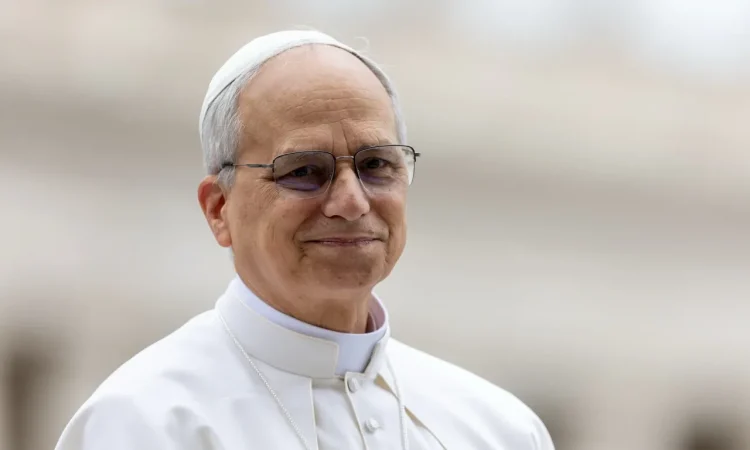
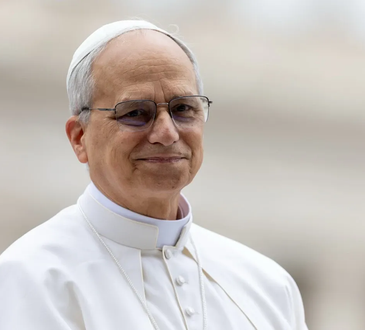
In a stirring display of moral courage, Pope Leo has stood before the world from the sacred altar of St. Peter’s Basilica to condemn what he rightly calls the “madness of war.” As talks between the United States and Iran crumbled in Pakistan—Tehran citing unmet requests after six devastating weeks of conflict—the first American pope chose not diplomacy’s careful euphemisms but the raw language of prophetic witness. Reading letters from children trapped in war zones, describing “horror and inhumanity,” Leo gave voice to the voiceless. He denounced the “delusion of omnipotence” that surrounds world leaders, a delusion he warned is “becoming increasingly unpredictable.” In an age where religious language is weaponized to sanctify bloodshed—where even “the holy Name of God, the God of life, is being dragged into discourses of death”—the pope’s message cuts through the fog of self-righteousness. “Stop!” he pleaded. “It is time for peace! Sit at the table of dialogue and mediation, not at the table where rearmament is planned.”
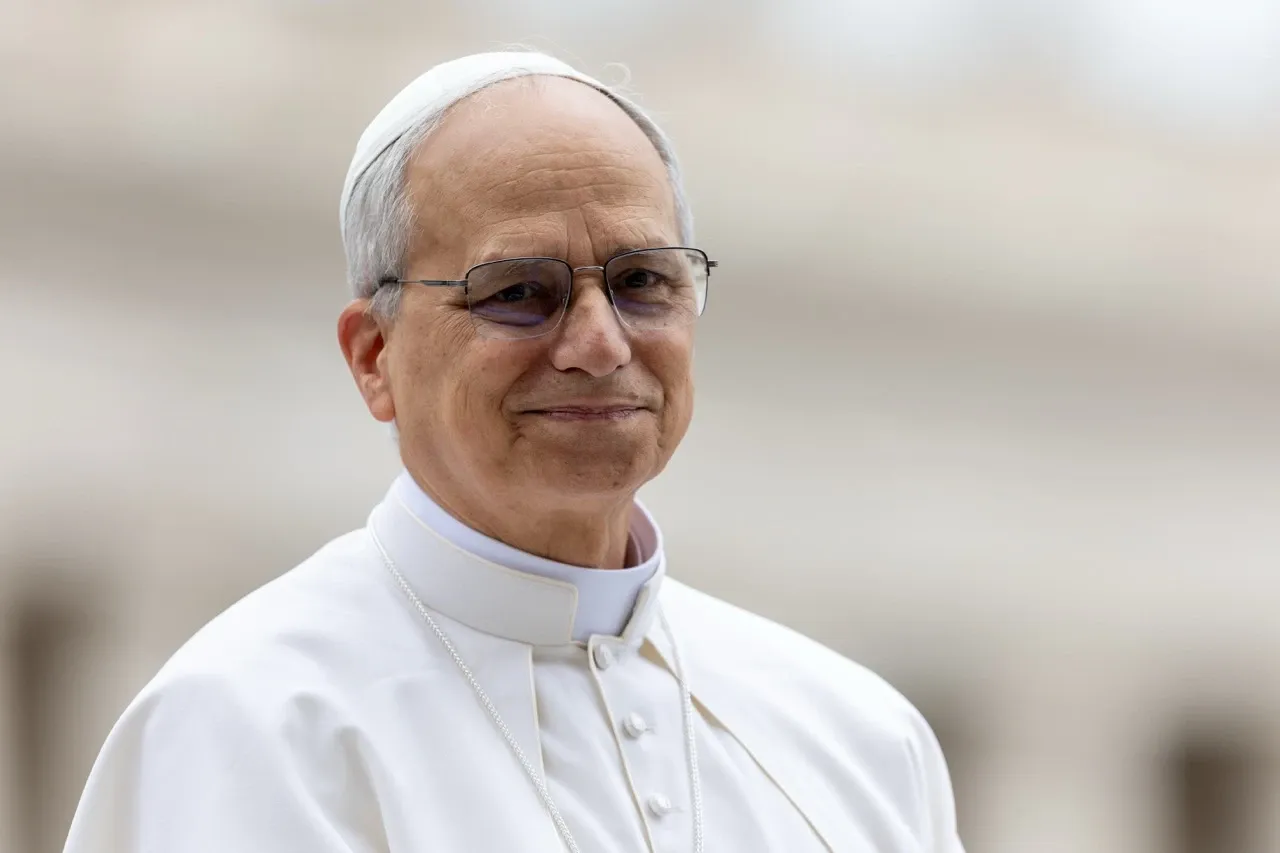
Leo’s appeal is not naive idealism but a somber echo of history, deliberately invoking John Paul II’s warning before the 2003 Iraq invasion. The pontiff’s target is unmistakable: a culture that worships power and money, that confuses military might with divine blessing. “Enough of the idolatry of self and money!” he cried. “Enough of the display of power! Enough of war!” His earlier rebuke of leaders with “hands full of blood” was widely seen as aimed at Defense Secretary Pete Hegseth, who has invoked Christian language to justify U.S.-Israeli strikes on Iran. In choosing Eastertide for this prayer vigil, Leo reminds the world that resurrection follows crucifixion—but only when violence is truly abandoned. The failure of diplomacy in Pakistan makes his words not less relevant but more urgent. For when the “madness of war” becomes routine, and when God’s name becomes a battle cry, the only sanity left is the stubborn, beautiful, costly call to sit down at a table, not a battlefield.