

The God Who Stays When Bombs Do Not: Faith in the Shadow of Lebanon’s Unending War

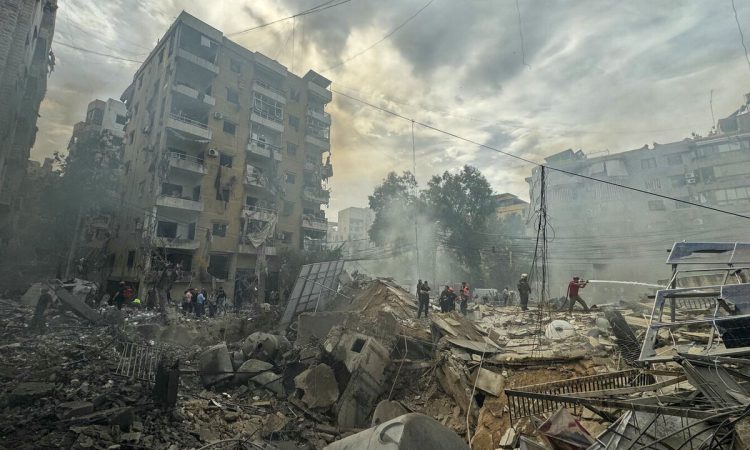
Israel has ruled out any ceasefire with Hezbollah, and in Lebanon’s Christian communities, the sound of that refusal is not diplomatic—it is apocalyptic. As Israeli ambassadors prepare to meet with the Lebanese government in Washington next week, the clear message from Israel’s US envoy, Yechiel Leiter, is that formal peace negotiations with the state do not extend to the militant group still firing rockets across the border. On the ground, that distinction means little to the families huddled in bombed-out neighborhoods. In just ten minutes of intense strikes on Beirut this past week, over 300 people were killed. The Israeli Defense Forces insist they are targeting Hezbollah, but the dead include men, women, and children whose only crime was being in the wrong city at the wrong time. For Lebanon’s Christians—a resilient minority in a majority-Muslim nation—the past month has been a descent into what Habib Khattar, World Vision’s Response Manager in Beirut, calls “fear, uncertainty and deep exhaustion.” Thousands are internally displaced. Children are sleeping in stairwells, schoolrooms, and places “not meant to be homes.” There is no safe corner. There is no end in sight.
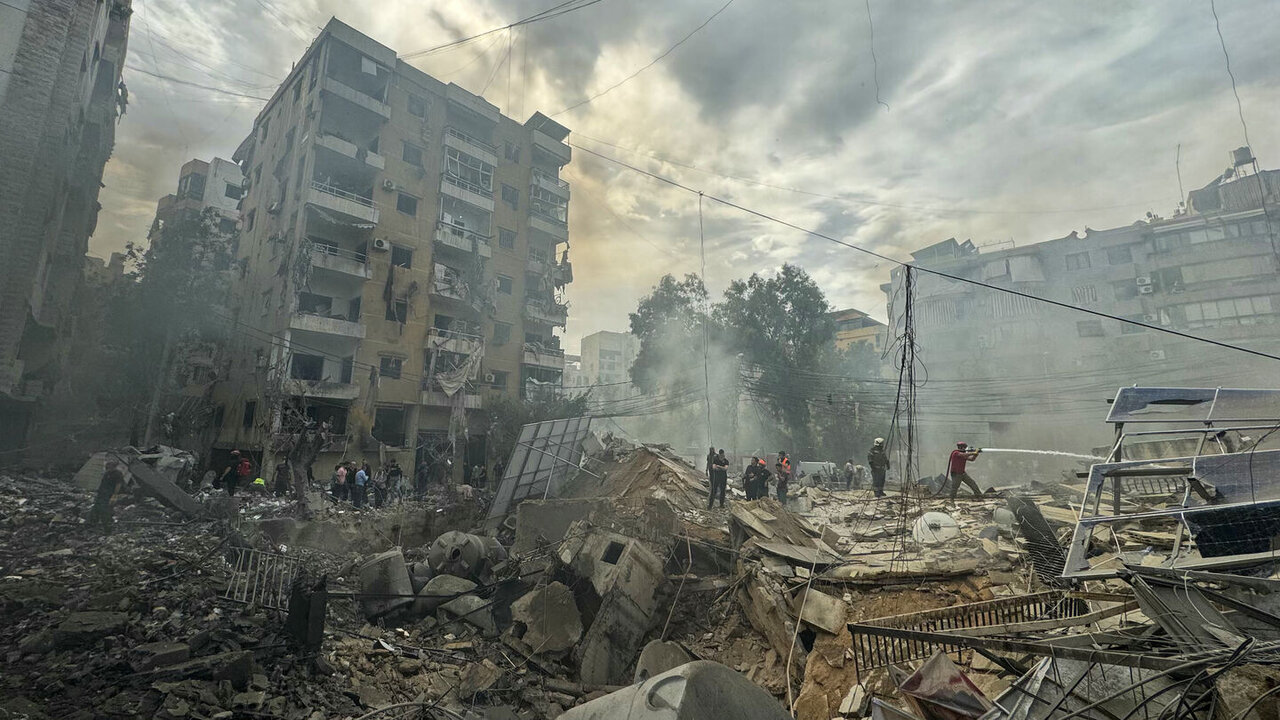
And yet, in this darkening valley, something strange and beautiful refuses to die. “People are turning to God,” Khattar told Premier Christian News. “Not only for protection, but for peace, for strength and for hope.” Lebanese Christians are clinging to their faith not as an escape from reality but as a way of staring directly into it. They are holding prayer vigils in shelters, lighting candles in the shadows of shattered apartment blocks, whispering psalms while jets scream overhead. “In the middle of everything, as Christians, we believe that even in darkness, God is present,” Khattar said. It is not a triumphant declaration. It is the exhausted, defiant whisper of a people who have learned that survival is not the same as safety, and that faith is not the absence of fear—but the refusal to let fear have the last word. As Israel refuses a ceasefire, and as the bombs continue to fall, Lebanon’s Christians are doing what Christians have done for two thousand years in this land: they are staying. They are praying. And they are waiting for a peace that no embassy, no negotiation, and no military victory can manufacture—only a God who, they still believe, has not abandoned the wreckage.