Guns or Ghost Ships: US Signals Naval Escorts Through Hormuz as Tanker Traffic Vanishes—But Warships Remain Dockside

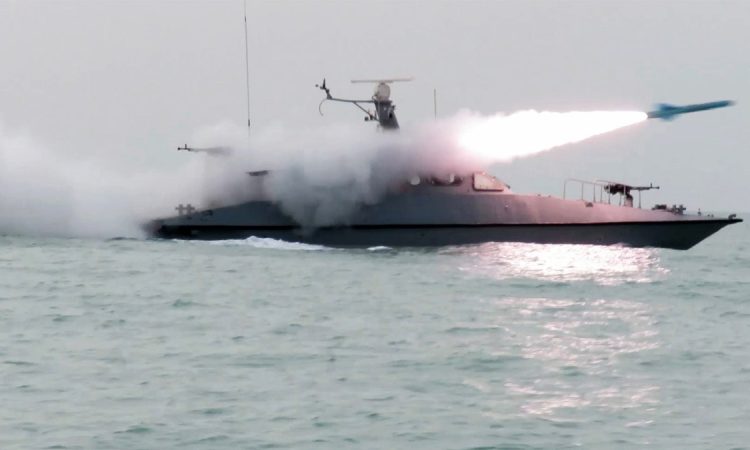
The United States is signaling it stands ready to plunge its Navy into the shark-infested waters of the Strait of Hormuz, with Energy Secretary Chris Wright declaring Friday that American warships could begin escorting commercial tankers through the strategic choke point “as soon as reasonable.” The bold rhetoric, reinforcing President Donald Trump’s public pledges to protect energy shipments, comes as the waterway resembling a ghost lane—commercial traffic has thinned to a trickle after a weekend of fiery tanker attacks sent war-risk insurance premiums soaring and shipowners scrambling to anchor their vessels far from Iran’s coastline. Since Monday, a mere nine oil tankers, cargo ships, and container vessels have dared to traverse the narrow corridor that normally funnels roughly 20% of the world’s crude oil and one-fifth of global liquefied natural gas exports, according to MarineTraffic data analyzed by Agence France-Presse. The dramatic slowdown, triggered by the launch of Operation Epic Fury and at least three vessel strikes, is squeezing global energy markets and Gulf producers who rely on this liquid lifeline to reach buyers in Asia and Europe.
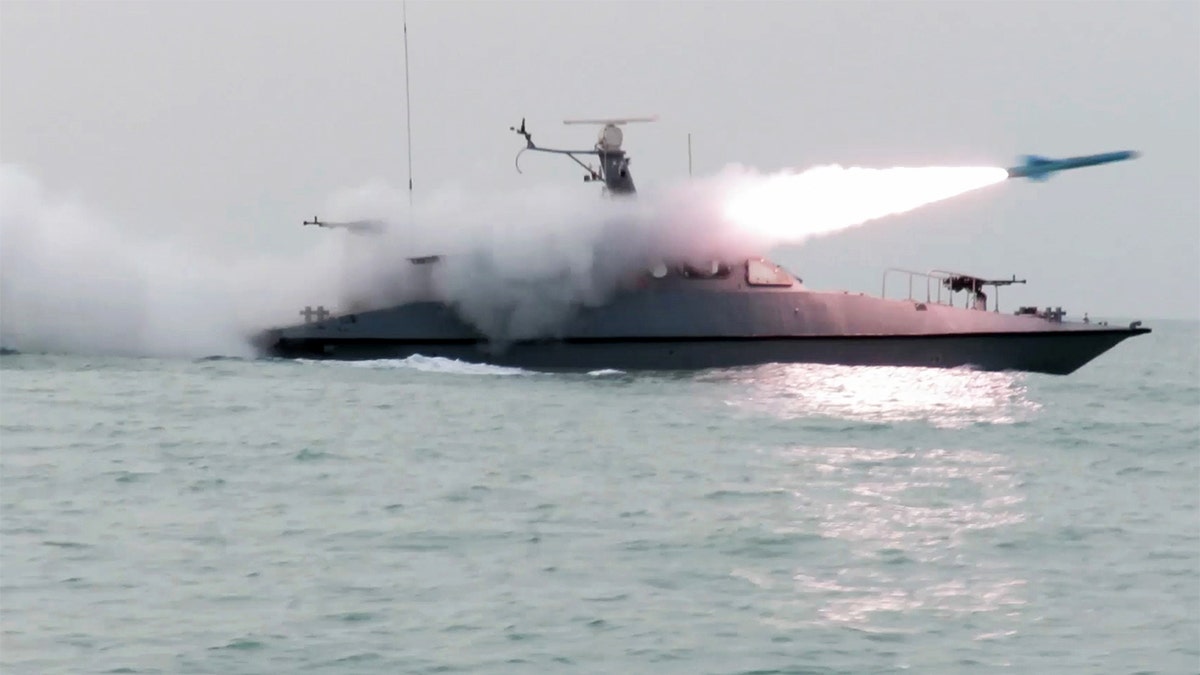
Yet for all the tough talk echoing from Washington, a U.S. official delivered a sobering reality check to Fox News Digital Friday: “We are not escorting ships through the Strait of Hormuz, and we will not speculate on future operations.” The gap between political saber-rattling and military inaction underscores the hair-trigger tightrope the administration now walks. Escort missions would force American warships to operate within spitting distance of Iran’s coastline in a heavily surveilled shooting gallery, raising the specter of direct confrontation that neither side may want but both seem to be stumbling toward. Iranian Foreign Minister Abbas Araghchi has left the door to hell slightly ajar, telling NBC News that Tehran has “no intention” of closing the strait “right now” but warning, “As the war continues, we will consider every scenario.” While Araghchi insists international oil tankers are not Iranian targets, he acknowledged vessels are fleeing the passage out of fear of being struck “by either side.” For now, the Strait of Hormuz remains technically open but functionally wounded—a critical artery of the global economy bleeding ships by the day, waiting to see if American guns will finally sail to the rescue or if the White House is merely whistling past a graveyard of tankers.