

Beyond the Pond: 4 Crucial Lessons Families Need Before Watching Pixar’s ‘Hoppers’

In a cinematic landscape increasingly dominated by sequels and superheroes, Pixar Animation Studios has once again dared to dream something original. “Hoppers,” the legendary studio’s first new film of 2026, arrives in theaters with a premise as whimsical as it is thought-provoking: a passionate college student named Mabel, who loves nature perhaps a little too much, discovers a way to transfer her consciousness into a beaver to save her grandmother’s beloved forest glade from a highway project. But beneath its colorful animation and talking-animal antics lies a surprisingly layered narrative that wrestles with themes of environmental stewardship, community, revenge, and what it truly means to protect the vulnerable. Before you load up the minivan for a family movie night, here are four essential things parents should know about this ambitious and occasionally dark addition to the Pixar legacy.
1. It’s a Return to Pixar’s Original Storytelling Roots—With Mixed Results
“Hoppers” marks Pixar’s first original film of 2026, standing alongside the eagerly anticipated “Toy Story 5” (set for June 19) as the studio’s twin offerings this year. From its earliest days, Pixar revolutionized children’s animation by proving that cartoons could be visually breathtaking while delivering emotionally resonant stories that left both children and adults reaching for tissues. Films like “Finding Nemo,” “Up,” and “Inside Out” didn’t just entertain—they explored grief, family, and the messy complexity of human emotions.
While “Hoppers” doesn’t quite reach the comedic heights of “Inside Out 2” or the profound depth of “Soul,” it continues Pixar’s commitment to inventive world-building. The film introduces audiences to Mabel (voiced by Piper Curda), a college student whose childhood attempts to liberate classroom animals—including one memorable incident where she bit someone’s arm in her quest to free them—have blossomed into a full-blown passion for nature. Her bond with her grandmother, Grandma Tanaka (Karen Huie), forms the emotional core of the film, as the two share quiet moments beside a pond that becomes a sanctuary from the noise of modern life. It’s in these gentle, unhurried scenes that “Hoppers” feels most like classic Pixar, reminding us why we fell in love with the studio in the first place.
2. The Film Issues a Gentle but Urgent Call to Slow Down and Reconnect with Creation
Perhaps the most spiritually resonant aspect of “Hoppers” is its quiet invitation to step away from screens and into the restorative embrace of nature. Early in the film, Grandma Tanaka notices her granddaughter’s uptight demeanor after a long school day and offers a remedy that costs nothing but changes everything. “Want to know my secret?” she asks, leading Mabel to a hidden glade where big skies meet blue water and the only sounds are rustling leaves and gentle breezes.
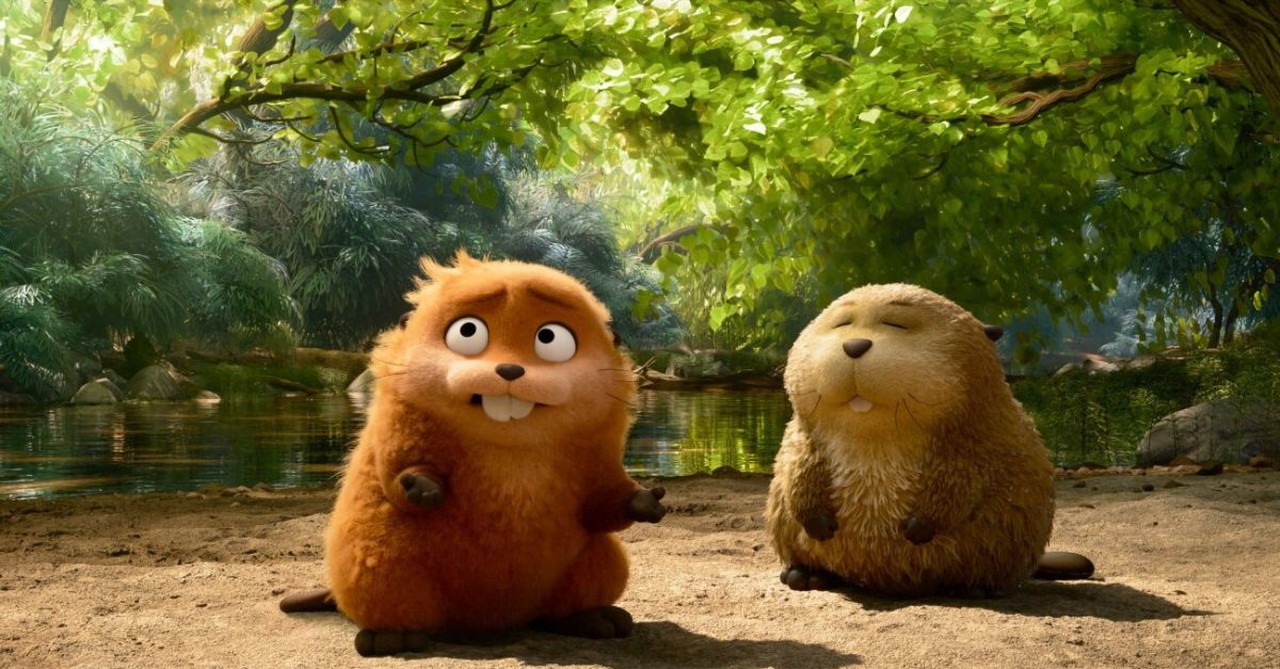
“That’s what nature does. It’s hard to be mad when you feel like you’re part of something big,” Grandma Tanaka explains.
In a culture where children (and adults) spend an average of seven hours or more daily staring at screens, this message lands like a splash of cold water. The grandmother’s wisdom echoes something deeply biblical—the reality that God designed us to find peace in His creation. When the Psalmist declares that “the heavens declare the glory of God” (Psalm 19:1), he’s pointing to the same truth Grandma Tanaka imparts: that stepping outside and beholding the magnificence of the natural world recalibrates our anxious hearts. The God who clothes the lilies and feeds the birds (Matthew 6:26-30) invites us to trust Him more deeply by observing the world He’s made. “Hoppers” gently reminds families that nature isn’t just background scenery—it’s a divine gift designed to restore our souls.
3. The Animal Kingdom Operates by Surprisingly Profound Rules
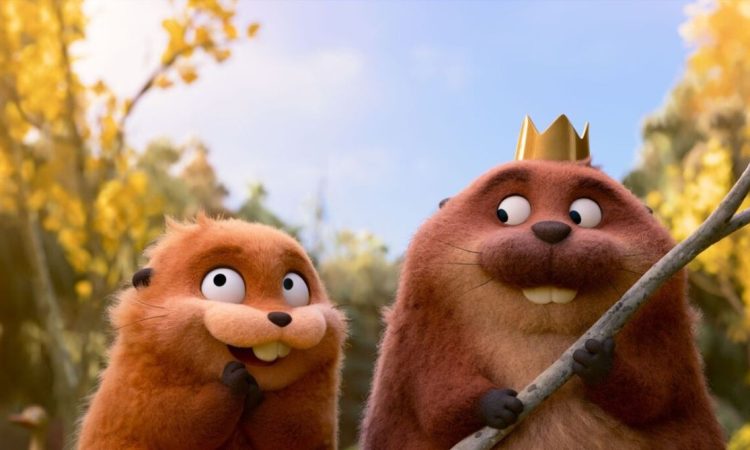
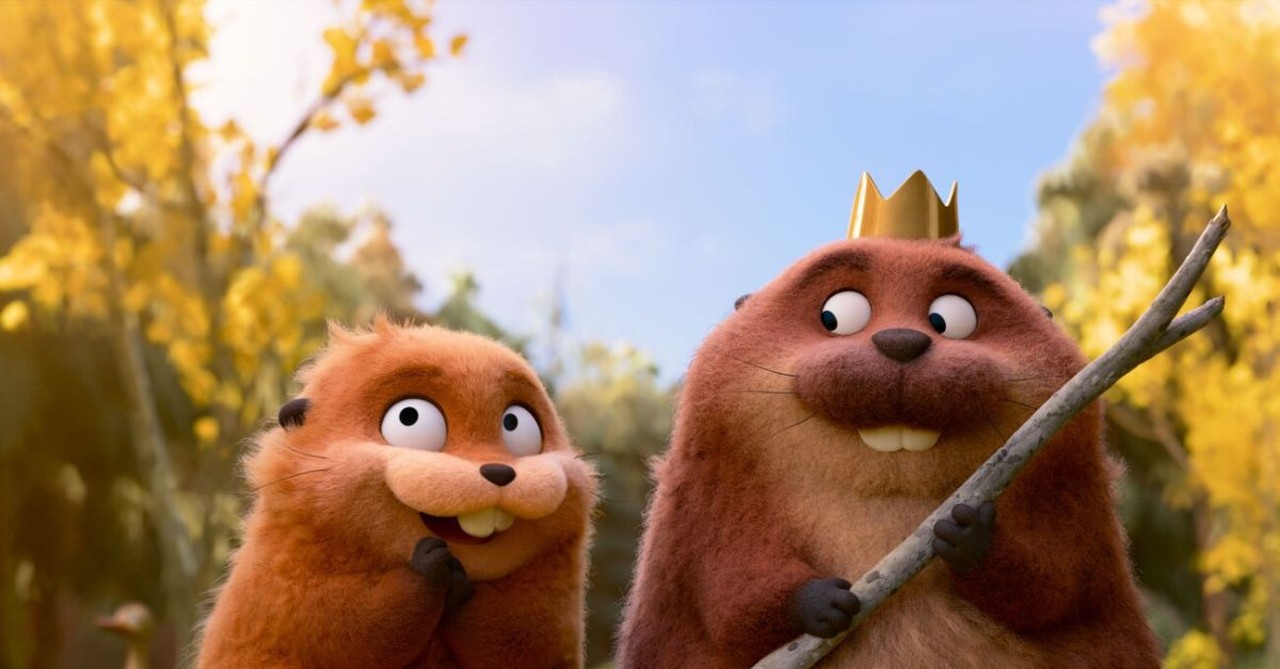
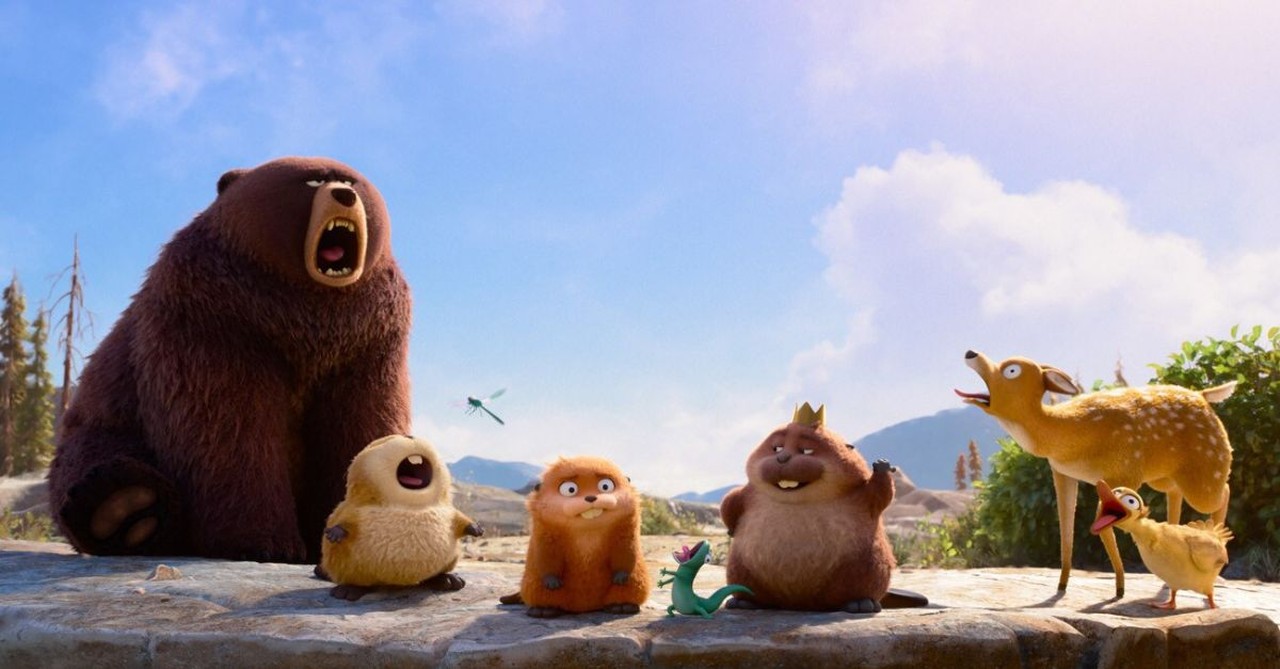
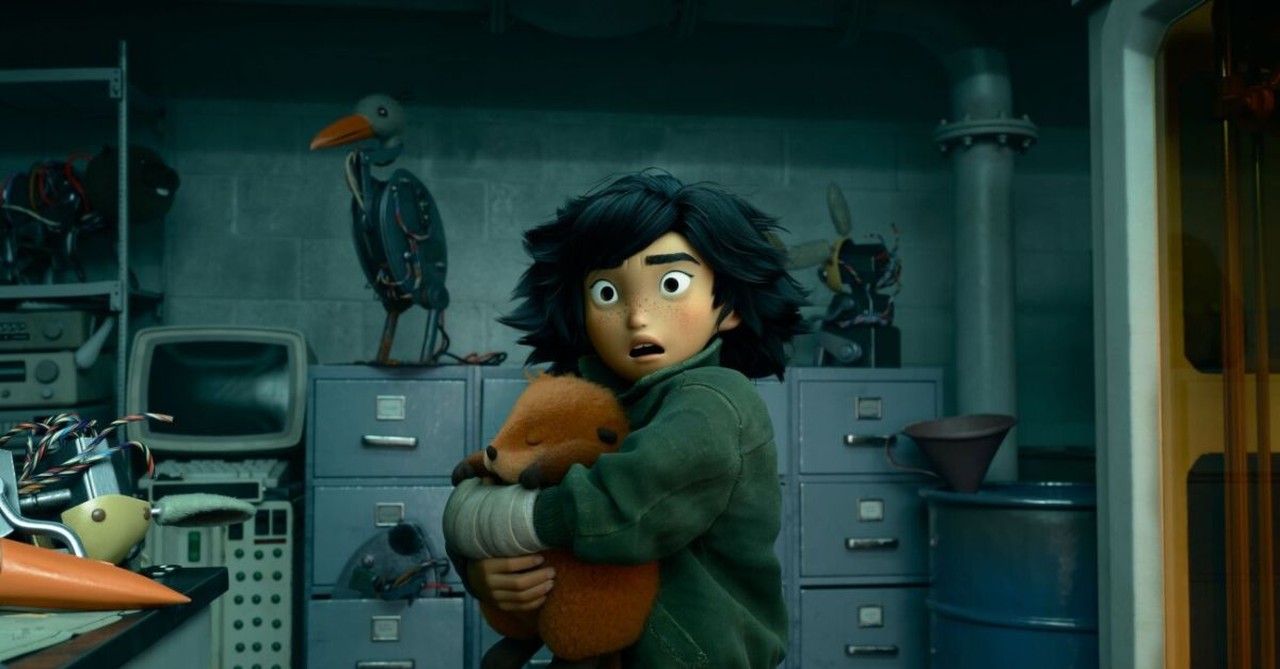
When Mabel discovers a cutting-edge technology at her college that allows human consciousness to be transferred into an animal, she seizes the opportunity to go undercover as a beaver and uncover why the animals have mysteriously vanished from her grandmother’s glade. What she finds is a fully formed animal kingdom with its own governance, culture, and three simple but profound rules that carry unexpected wisdom for young viewers.
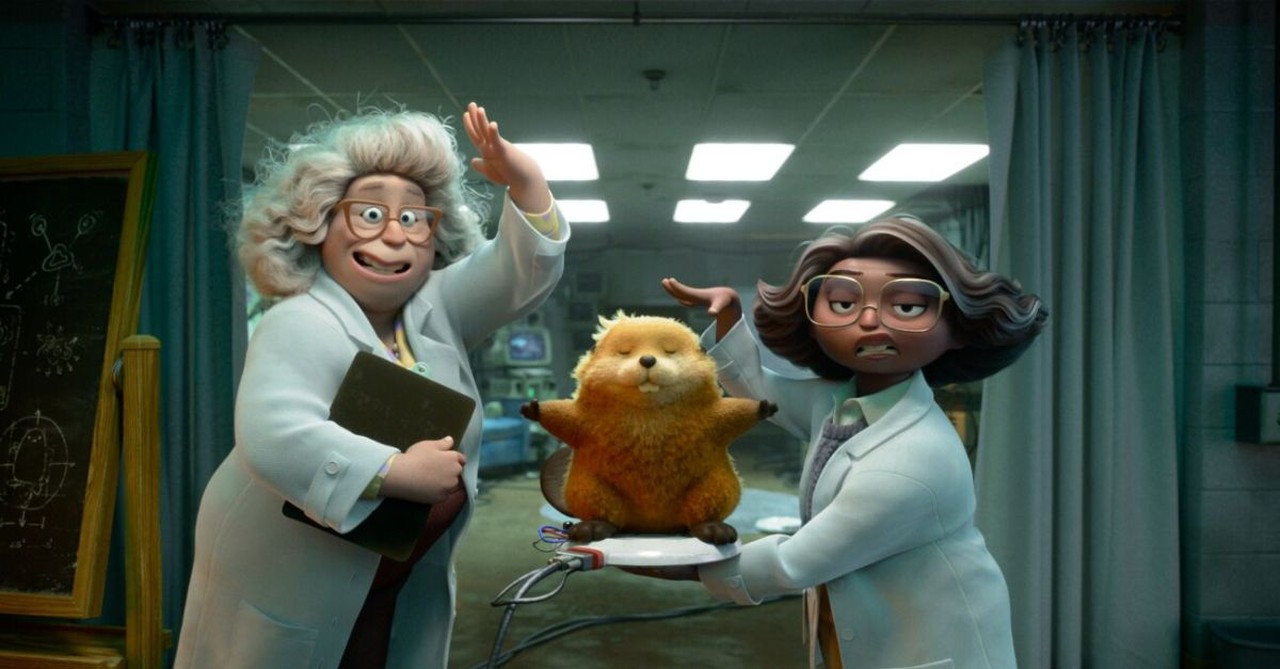
Rule No. 1: Don’t be a stranger—call everyone by their name. The beaver king explains this beautifully: “It’s harder to be mad at someone if you know their name.” In an age of online anonymity and digital detachment, this simple principle carries gospel weight. When we truly see others—when we know their names and their stories—we fulfill Jesus’ command to love our neighbors as ourselves.
Rule No. 2: When you gotta eat, then eat. The film handles the reality of the food chain with surprising honesty, acknowledging that some animals do get eaten—though it wisely limits this to fish, worms, and bugs, sparing younger viewers from more traumatic depictions. It’s a subtle acknowledgment of the created order, where life and sustenance are intertwined in ways both beautiful and difficult.
Rule No. 3: Look out for others. This final rule forms the ethical backbone of the animal community and serves as the film’s moral compass. When Mabel discovers that the local government has installed speakers emitting high-pitched sounds to drive the animals from their homes, this rule compels her to action—not just for herself, but for the vulnerable creatures who cannot speak or fight for themselves.
4. The Final Act Takes a Surprisingly Dark Turn—But Delivers a Redemptive Message
Parents should be aware that “Hoppers” contains some of the most intense sequences Pixar has produced in recent memory. The film subverts expectations by refusing to paint either humans or animals as entirely virtuous. When Mabel rallies the animals to confront the mayor, she’s shocked to discover their plan has escalated to discussing “squishing” him—a word that thinly veils their murderous intent.
The plot twists further when a butterfly, emerging as the film’s unexpected villain, acquires the consciousness-transfer technology and reverses it, transforming himself into a life-sized, robotic doppelganger of the mayor. This eerie creation walks with the stiff, unnatural movements of a monster, and the villains’ plan involves using this zombie-like figure to address a public rally before activating the speakers to “squish” the audience. While the word “kill” is never spoken, the implication is unmistakable, and the imagery may prove frightening for sensitive younger children (earning the film its PG rating for “action/peril and some scary images”).
Yet the film’s climax ultimately delivers a redemptive message that aligns with a Christian worldview. The butterfly’s revenge plot is foiled, and the mayor—having been kidnapped but ultimately freed—makes the courageous decision to reroute the highway around the glade. The film’s central thesis emerges clearly: progress and nature can coexist. We don’t have to choose between development and creation care. The mayor’s change of heart demonstrates that human beings, though flawed, are capable of repentance and course correction.
Perhaps most surprisingly, the film reveals that the animals genuinely like humans. “We’re all in this together,” the beaver king insists. “Animal homes, human homes—they’re all just one big place.” He even shows Mabel his old radio, marveling at human ingenuity: “They make some pretty cool stuff.”
“Hoppers” isn’t perfect. It lacks the effortless charm of “Elio,” the laugh-out-loud humor of “Inside Out 2,” or the existential depth of “Soul.” But in a world where children are increasingly disconnected from the natural world and from each other, its message arrives like a breath of fresh air. It reminds us that the God who created the beavers and the butterflies, the glades and the grandmas, invites us to slow down long enough to notice—and to care for the world He’s placed in our hands.
Rated PG for action/peril, some scary images, and mild language (including several uses of “stupid” and “dumb”).