

The Crown Has Changed Hands: BYD Dethrones Tesla as the World’s EV Sovereign

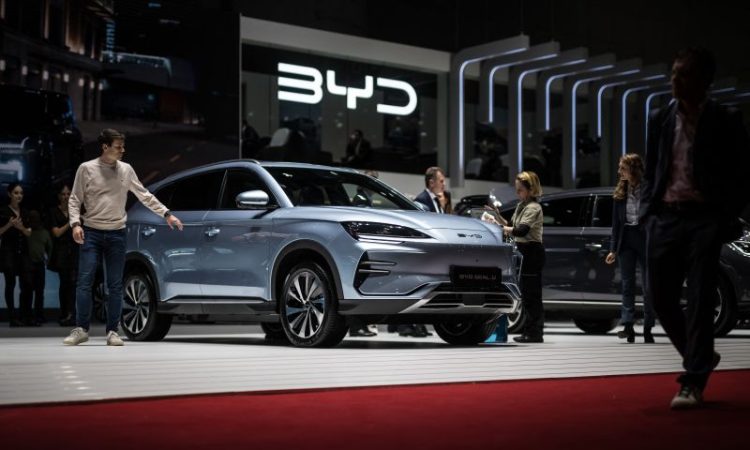
In a historic shift that redraws the map of the automotive future, Chinese powerhouse BYD has decisively overtaken Tesla to become the world’s largest seller of electric vehicles. Newly released 2025 sales data reveals a stunning reversal of fortune: BYD sold a record 2.26 million EVs, a nearly 28% annual increase, while Tesla reported a second consecutive year of decline with deliveries plummeting 8.6% to 1.6 million—its steepest annual drop ever. This milestone marks the culmination of a relentless ascent for BYD, a company Tesla CEO Elon Musk once openly dismissed, and underscores a new era defined by aggressive competition, strategic pricing, and complex geopolitical currents in the global race for electrification.

Tesla’s throne was lost amid a perfect storm of challenges. The American pioneer faced intensifying competition not only from BYD’s expansive and affordable model lineup but also from legacy automakers, all while navigating significant consumer backlash tied to Elon Musk’s political activities. A brief third-quarter sales surge, fueled by buyers rushing to claim an expiring U.S. tax credit, only served to borrow from future demand, leading to a sharp 15.6% fourth-quarter decline. Tesla’s response—releasing cheaper, feature-reduced versions of its Model 3 and Y—highlighted the intense pressure to maintain volume. Meanwhile, BYD achieved its global sales crown despite being locked out of the U.S. market and while grappling with a ferocious price war and slowing growth in its home market of China, where its domestic market share has significantly eroded.
The road ahead for both giants is fraught with divergent strategies. BYD, despite its victory lap, is not immune to pressure; its profit has declined, and it faces fierce domestic rivals like Geely and Xiaomi, alongside escalating tariffs abroad. Founder Wang Chuanfu has acknowledged a narrowing technological lead and promises new innovations. Tesla, conversely, is betting its future on a visionary, yet unproven, next act. Investor optimism has pivoted away from near-term sales and toward Musk’s promises of a robotaxi revolution and humanoid robots—promises that, so far, have seen a limited and delayed rollout. As 2026 begins, the automotive world witnesses a new king, but one ruling over an empire where the battles over technology, cost, and scale have never been more fierce.