
Trump Vows to Unearth “Giant Scam,” Targets $18B Fraud Allegations in Fiery New Year’s Eve Blast

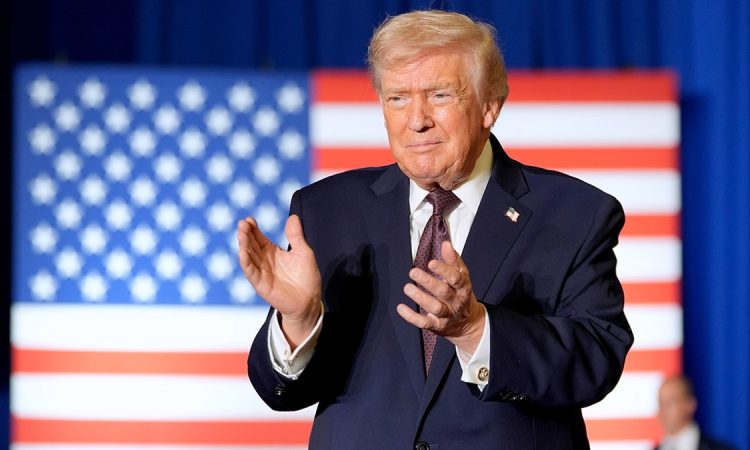
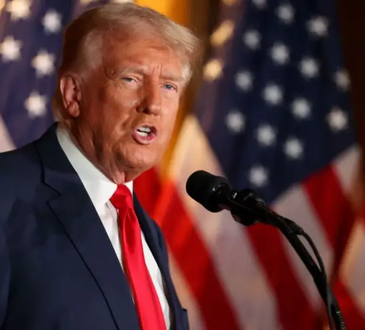
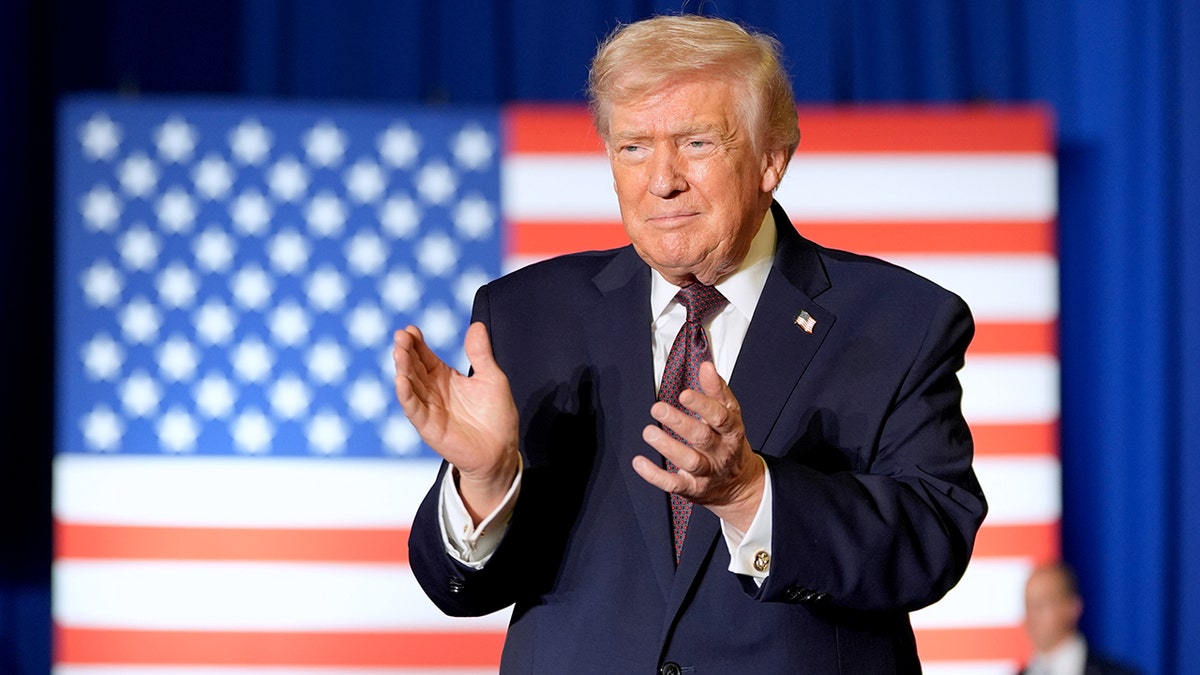
At his Mar-a-Lago New Year’s Eve celebration, President Donald Trump launched a sharp and sweeping condemnation of alleged social services fraud, zeroing in on Minnesota with claims that $18 billion in taxpayer money was stolen. “Can you imagine they stole $18 billion,” Trump declared to the crowd, adding, “That’s just what we’re learning about. That’s peanuts. And California is worse, Illinois is worse and sadly New York is worse.” He specifically referenced comments made earlier by Rep. Tom Emmer, R-Minn., about the Somali community’s alleged involvement, vowing, “We’re going to get to the bottom of all those. It was a giant scam.” His remarks amplify a long-simmering scandal where federal prosecutors have already indicted dozens, with estimated losses in the state previously cited in the billions.
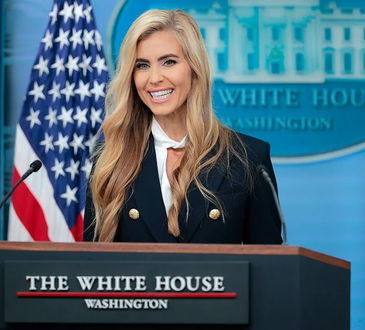
The allegations have triggered a major federal response, placing Democratic Minnesota Gov. Tim Walz directly in the crosshairs. Just a day before Trump’s speech, the U.S. Department of Health and Human Services froze all federal child care payments to Minnesota, citing the need to safeguard funds amid the fraud investigations. White House Press Secretary Karoline Leavitt reinforced the administration’s aggressive stance, warning on “Fox & Friends” that “people will be in handcuffs” and asserting that “President Trump is not going to let Governor Walz off the hook.” Leavitt confirmed that multiple federal agencies have surged resources into the state to untangle what she characterized as years of ignored warnings.
Governor Walz, facing intense political pressure, has publicly acknowledged the crisis, stating the situation “is on my watch” and that he is “accountable” for fixing it. However, critics, including the chair of a state legislative fraud committee, accuse his administration of having “turned a blind eye” to red flags for years. The convergence of Trump’s vehement rhetoric, the freezing of critical funds, and the promise of widespread prosecutions signals a mounting political and legal battle, positioning the Minnesota fraud case as a central flashpoint in the debate over government accountability and the oversight of public assistance programs.