
Beyond the Laughter: Eddie Murphy Reveals a Legacy of Paying Final Respects for Fallen Stars


In a revealing new Netflix documentary, “Being Eddie,” comedy legend Eddie Murphy pulls back the curtain on a deeply personal and sobering aspect of his Hollywood journey: financially covering the funeral costs for celebrity friends who died with no means for a proper burial. The 64-year-old actor shared that he stepped in to handle the arrangements for funk icon Rick James and comedic pioneer Redd Foxx, and even purchased a tombstone for William Thomas Jr., who famously played Buckwheat in “The Little Rascals.” Murphy’s candid remarks, “I had to bury Redd. I had to bury Rick. I bought Buckwheat a tombstone. Buckwheat didn’t have no tombstone,” expose a stark contrast between public fame and private hardship, highlighting a side of show business rarely seen by the public.
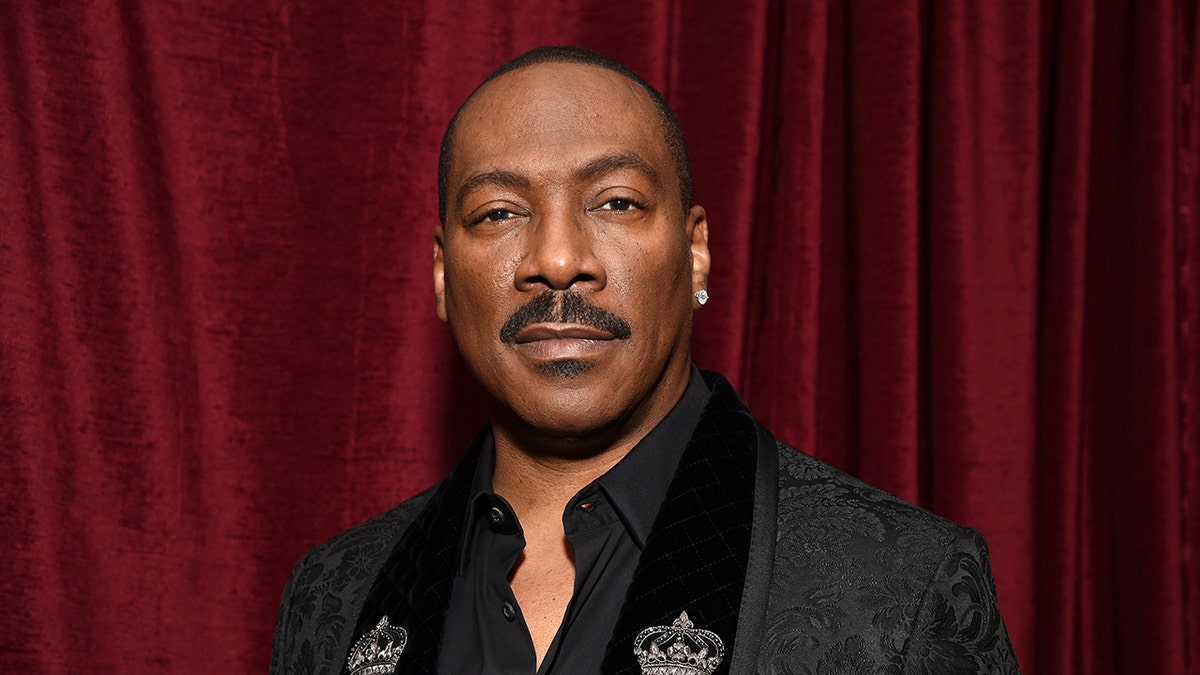
Murphy expressed his profound disbelief at the situation, questioning where the families and support systems were for these iconic figures. “It tripped me out, these people you… show business and all that, and then when they pass away, there’s not even the money to bury these people?” he reflected in the film. His actions reveal a loyal and compassionate character far removed from his on-screen persona, honoring the legacies of his heroes like Foxx, whom he idolized and later starred with in “Harlem Nights.” For Murphy, this was more than a financial duty; it was a final act of respect for the artists who paved the way.
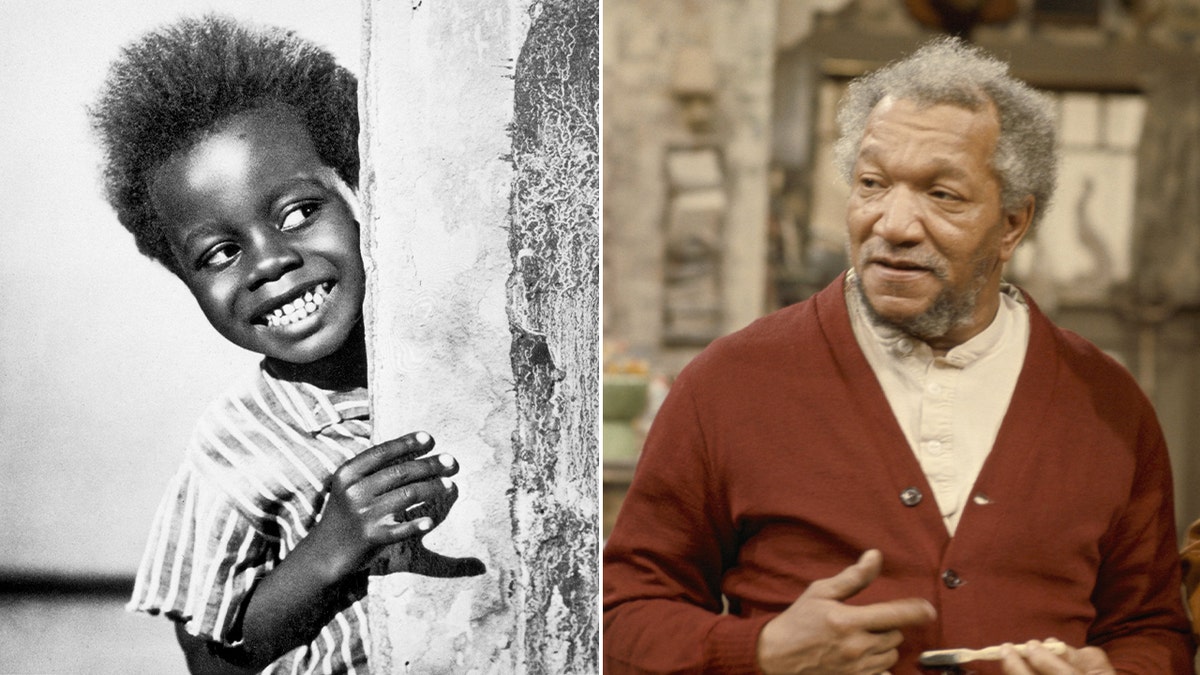
In Picture: William Thomas Jr. (left) passed away in 1980. On his right is Redd Foxx, the beloved star of Sanford and Son, who died of a heart attack in 1991 at the age of 68 (Photo Credit: Getty Image).
Despite ensuring dignified goodbyes for others, Murphy holds a starkly different view for his own final arrangements. In a recent interview, he firmly stated that he does not want a funeral, memorial, or even an urn for his ashes, wishing to be cremated immediately to spare his loved ones the “trauma” of the ritual. This personal conviction makes his generosity toward his departed friends all the more poignant, underscoring a man who, while rejecting the ceremony of death for himself, understood its importance in providing closure and respect for those who shaped his world.