
The $20 Million Question: Paid Protests and the Politics of Resistance

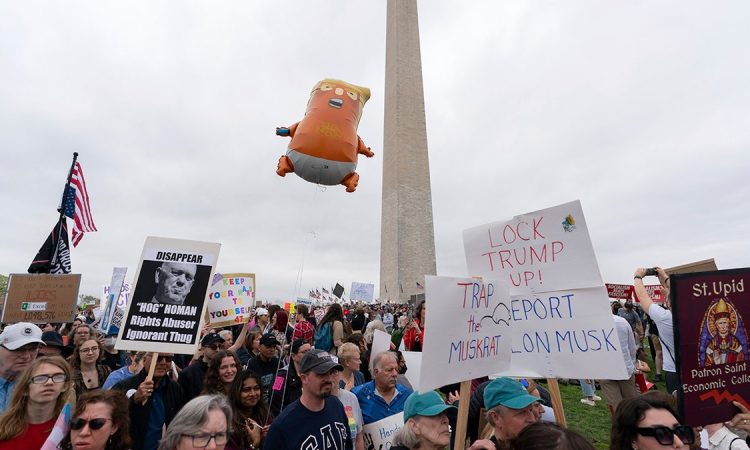
In a shocking revelation, Adam Swart, CEO of Crowds on Demand, disclosed that his organization turned down a lucrative offer of around $20 million to recruit participants for a national rally against President Donald Trump. The rally, spearheaded by Good Trouble Lives On, a group advocating for peaceful and nonviolent protests, aims to oppose Trump’s policies, which they claim are responsible for the “most brazen rollback of civil rights in generations”. With over 1,500 events planned across the country, the protests coincide with the fifth anniversary of the death of civil rights leader, former Rep. John Lewis.
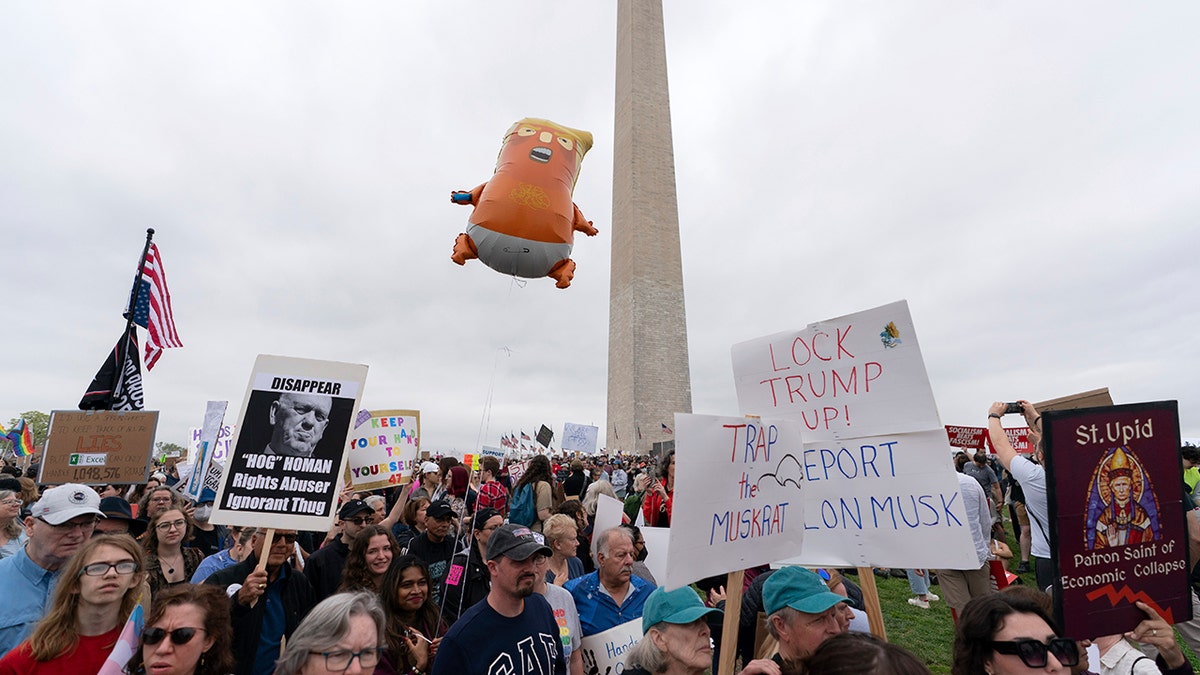
Swart’s decision to reject the offer stems from his skepticism about the effectiveness of the protests. He believes that such events might not only fail to achieve their intended purpose but also harm the cause by projecting a negative image. This stance has sparked debate, with some viewing paid protests as a legitimate form of expression, while others, like Harrison Fields, special assistant to the President, dismiss them as “fake” and “astroturfed”. Fields argues that paid agitators should find real jobs instead of being paid to stage protests.

The controversy surrounding paid protests highlights the complexities of modern activism. While protests have long been a cornerstone of American democracy, the involvement of paid participants raises questions about authenticity and grassroots support. As the debate rages on, one thing is certain – protests will continue to play a significant role in shaping the country’s political landscape. With thousands taking to the streets to voice their dissent, the anti-Trump protests are a testament to the enduring power of collective action.