
Echoes of Grief and Geopolitics: Iran Mourns as Ceasefire Holds Under Fragile Tensions

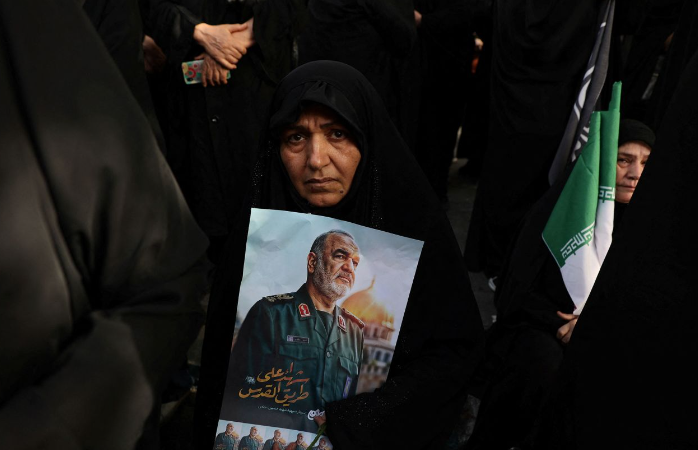
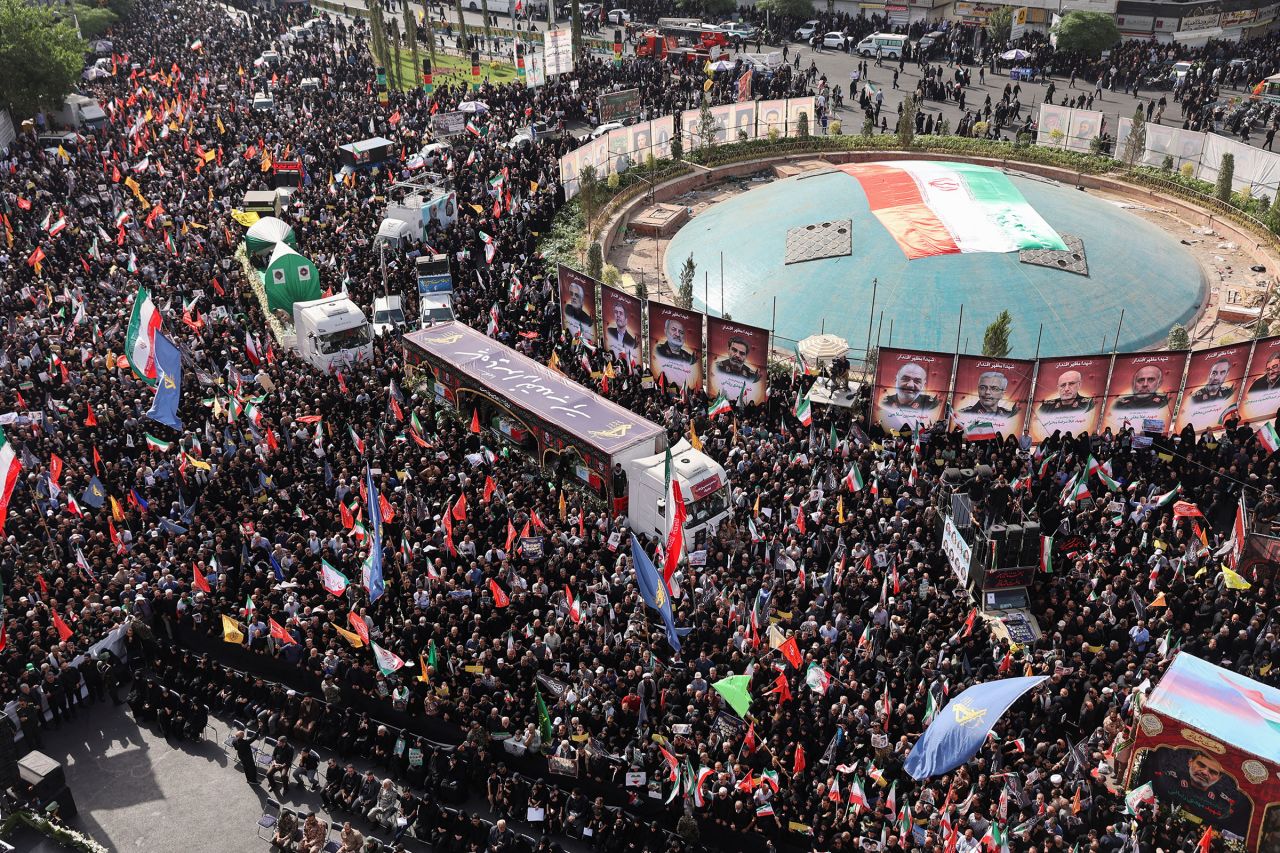
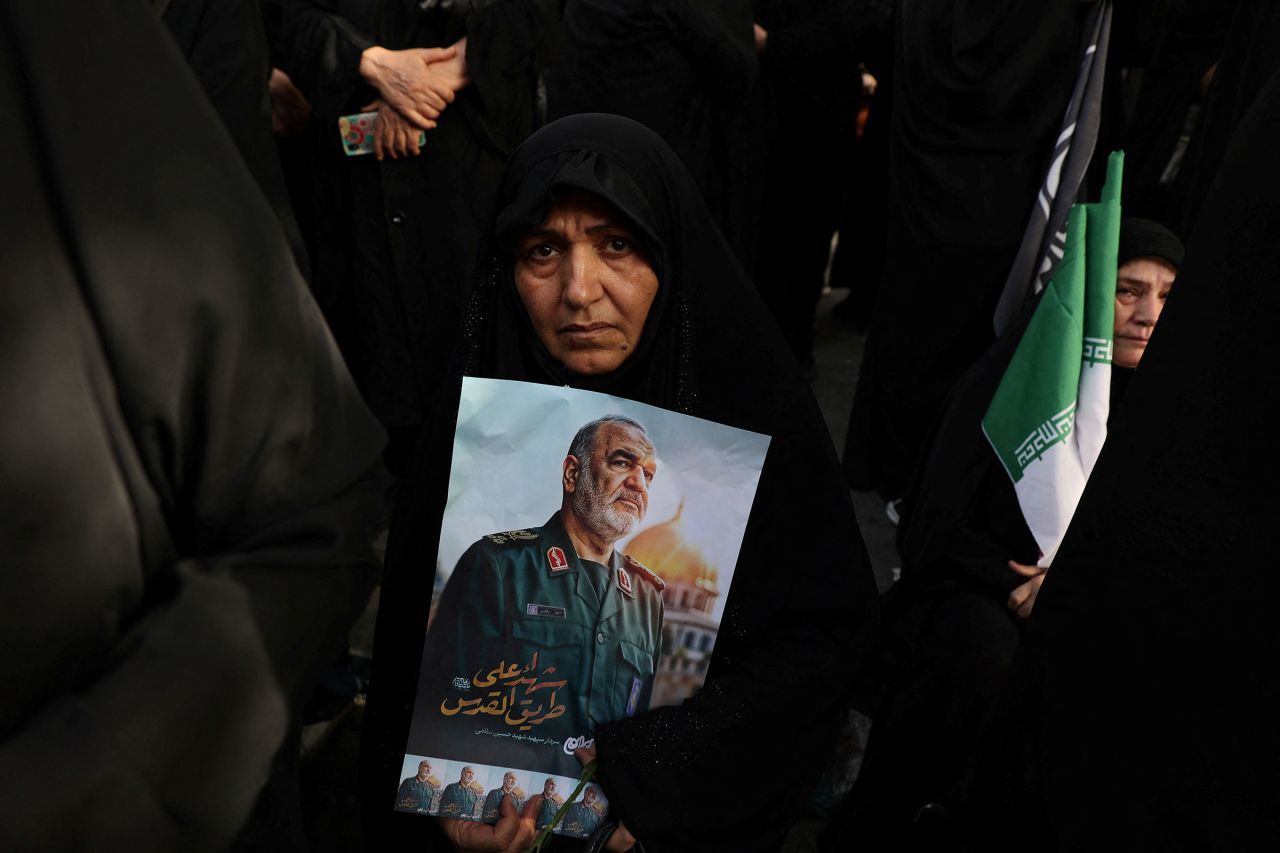
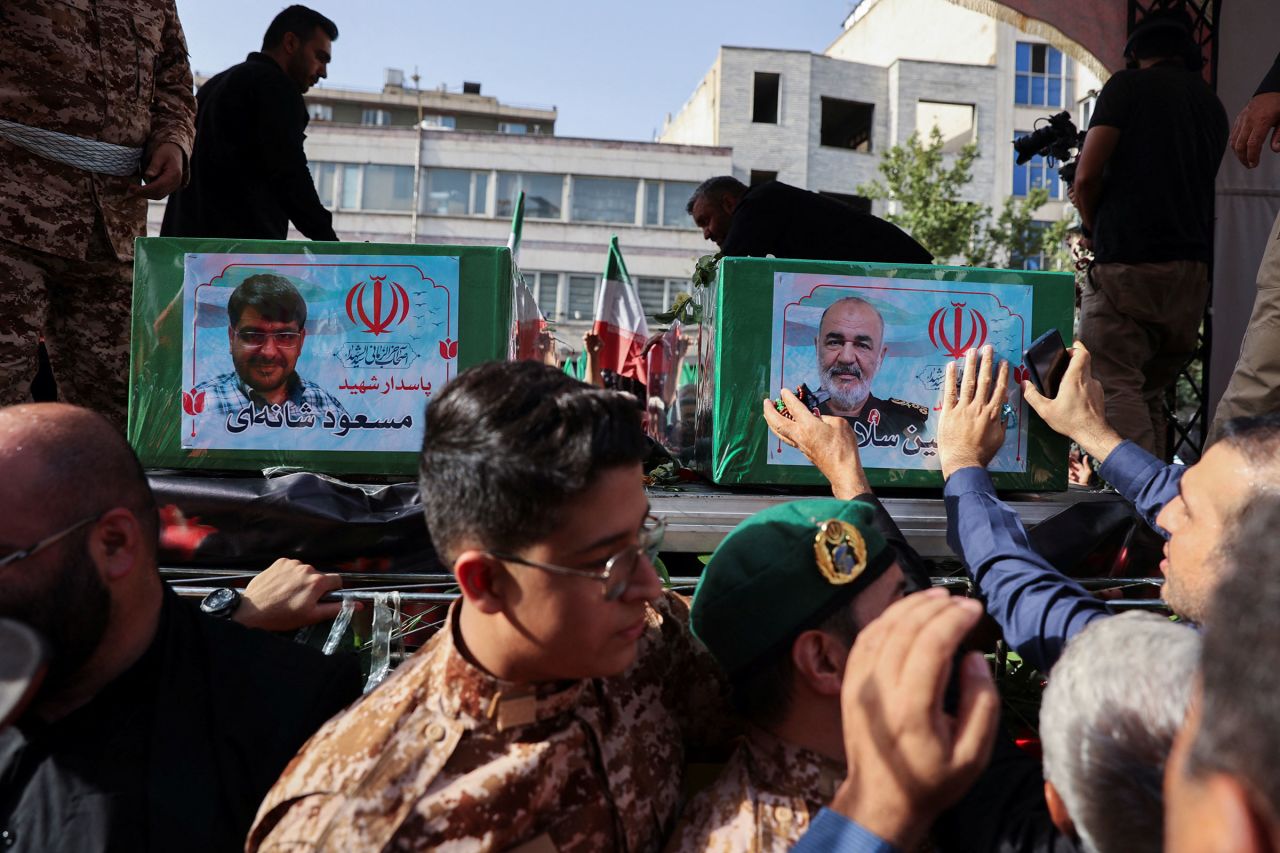
Hundreds of mourners filled the streets of Tehran on Saturday in a somber funeral procession honoring top Iranian military officials, nuclear scientists, and civilians—including women and children—killed during a wave of Israeli airstrikes earlier this month. The ceremony, heavy with emotion and national symbolism, marked a moment of unity and defiance, as black-clad mourners wept beside coffins draped in Iranian flags. Local media reports confirm similar ceremonies are scheduled across the nation, turning the collective grief into a powerful display of national resistance and remembrance.
The funerals come amid a precarious calm, following a U.S.-brokered ceasefire that has so far halted 12 days of intense missile exchanges between Israel and Iran. The truce remains intact, though tensions are palpable, with both sides closely monitoring the situation. Israel’s initial strikes targeted key nuclear sites and personnel, triggering Iran’s forceful retaliation. The temporary cessation of hostilities has offered a fragile window for diplomacy, yet neither side appears eager to fully disengage from the brink of conflict.
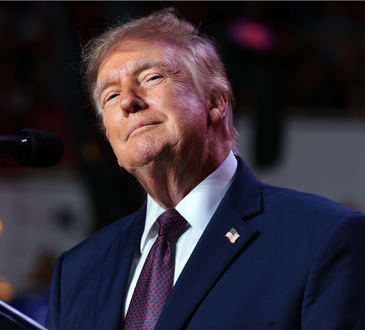
Adding further strain, Iran’s foreign minister lashed out at former U.S. President Donald Trump on Friday, insisting that renewed nuclear negotiations would be impossible without a shift in Washington’s tone—particularly toward Iran’s supreme leader. Trump, meanwhile, remains defiant, vowing he would “absolutely” consider renewed strikes on Iranian nuclear sites if deemed necessary. As Iran buries its dead and the world watches warily, hopes for de-escalation are weighed against the harsh rhetoric of power and politics—making the path forward as uncertain as ever.