
A Crisis of Conscience: Episcopal Priest Calls Out U.S. Complicity in Gaza Conflict Amid Fragile Ceasefire

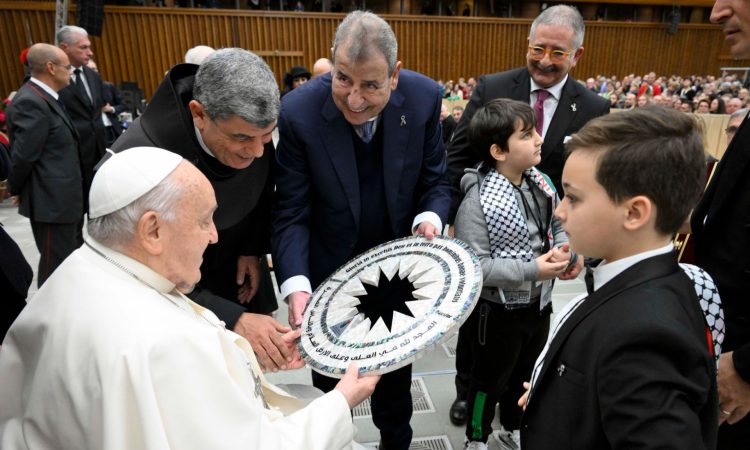
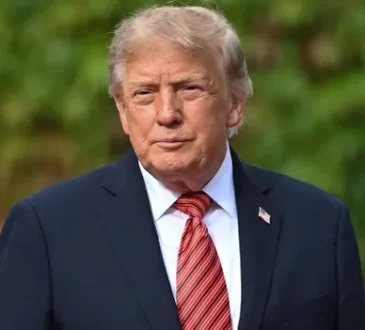
As the fragile ceasefire between Israel and Gaza enters its third day, a powerful voice from the heart of the conflict has emerged. Reverend Fadi Diab, Rector of St. Andrew’s Episcopal Church in Ramallah, has sharply criticized former U.S. President Donald Trump for his characterization of the conflict as “their war,” asserting that America’s actions have played a significant role in fueling the violence.

Trump’s remarks, dismissing the conflict as a matter outside of U.S. concern, drew ire across the region. Speaking to Premier Christian News, Rev. Diab offered a pointed response: “Israel would not have done what it did in Gaza and the West Bank without the support and consent of the U.S. administration.” His statement underscores a complex web of international complicity in the decades-long cycle of violence that continues to devastate lives on both sides.
A Fragile Ceasefire Amid Escalations
Even as the ceasefire provides a temporary reprieve, the situation remains precarious. On Saturday, Hamas announced plans to release another group of Israeli hostages in exchange for Palestinian prisoners, signaling cautious optimism. However, simultaneous developments paint a far bleaker picture. In Jenin, a large-scale Israeli military operation resulted in eight fatalities and at least 35 injuries from airstrikes, once again underscoring the volatile nature of the truce.
Rev. Diab expressed skepticism about the ceasefire’s sustainability, stating, “The intention is not to de-escalate. The goal of the Israeli government is to maintain this cycle of violence, as it keeps them in power.” For Diab, these actions reveal a deeper unwillingness to pursue genuine peace.
The Root Cause: Sovereignty and Self-Determination
The priest’s critique goes beyond the immediate violence, delving into the foundational issues that perpetuate the conflict. “The root of this war lies in the recognition of a Palestinian sovereign state and the right to freedom, independence, and self-determination,” he explained. Citing theological principles, Diab emphasized, “God created all of us with freedom and independence. Denying these rights goes against His will.”
This spiritual framing resonates deeply in a land where religious narratives have long shaped political realities. For many Palestinians, the denial of statehood and basic rights is not just a political grievance but a moral and spiritual affront.

Leadership in Crisis: Israeli Military Resignations
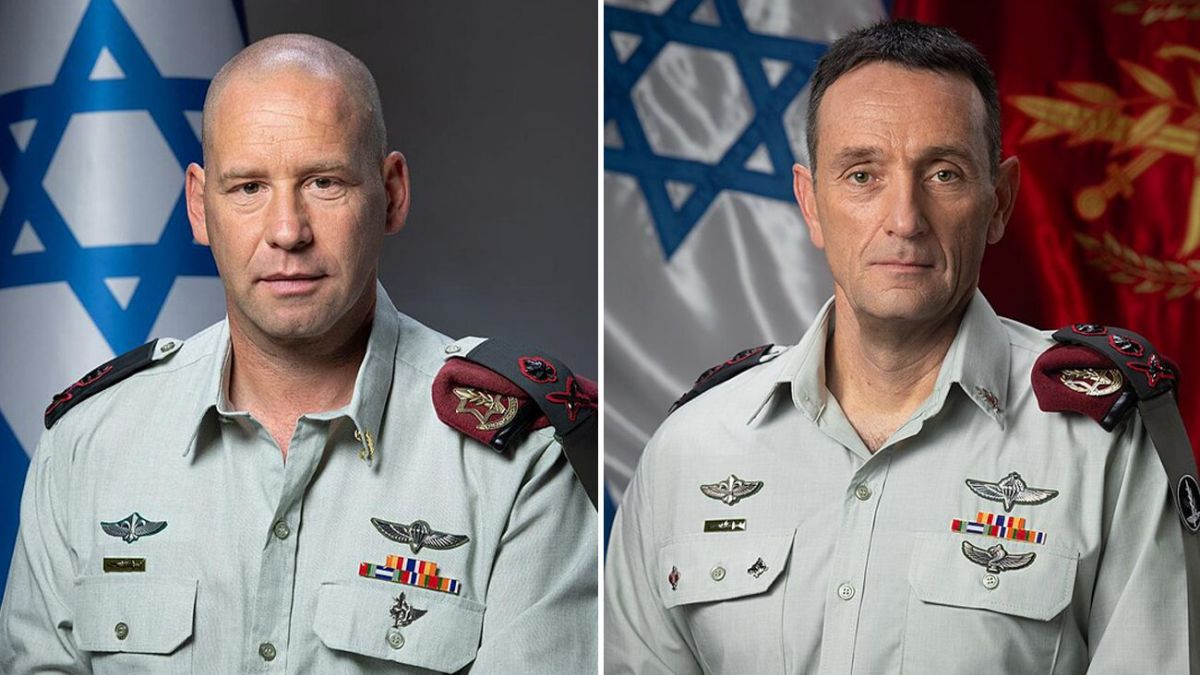
The situation has further escalated tensions within Israel’s own leadership. On Tuesday, two top military officials—Lieutenant General Herzi Halevi and Major General Yaron Finkelman—resigned, citing intelligence and security failures during Hamas’ surprise attack on October 7, 2023. This unprecedented attack, which left Israel reeling, has intensified internal debates about the government’s preparedness and strategy.
Rev. Diab views these resignations as a symptom of deeper systemic issues. “When violence is the primary response to conflict, failures are inevitable. True peace requires dialogue, empathy, and justice—not just military might,” he asserted.
The Broader Implications
Rev. Diab’s critique raises pressing questions about the international community’s role in perpetuating or resolving the conflict. For decades, U.S. administrations have provided significant military and financial support to Israel, often framing it as a strategic alliance. Yet, as Diab points out, this support has come at the cost of exacerbating regional instability and human suffering.
The priest’s call for accountability extends beyond governments to individuals of faith. “As Christians, we are called to be peacemakers. This means speaking out against injustice, no matter how uncomfortable it may be,” he said. His words challenge both policymakers and citizens to reevaluate their complicity and consider how their actions—or inactions—align with their moral and spiritual values.
Hope for the Future
Despite the grim realities, Rev. Diab remains steadfast in his belief that peace is possible. “It begins with recognizing the humanity of the other,” he said. “When we strip away the labels—Israeli, Palestinian, Christian, Muslim—we see individuals created in the image of God, all deserving of dignity and freedom.”
His vision of peace is one that transcends political agreements and military truces. It is a peace rooted in justice, equality, and the recognition of shared humanity. While the path forward remains uncertain, voices like Rev. Diab’s remind us that the fight for peace is not just political—it is deeply moral and spiritual.
The question now is not whether the ceasefire will hold, but whether the world is willing to hold itself accountable for creating the conditions for lasting peace.