

Empowered Voices: Shabnam and Mariam Ruhin’s Fight for Afghan Women’s Football

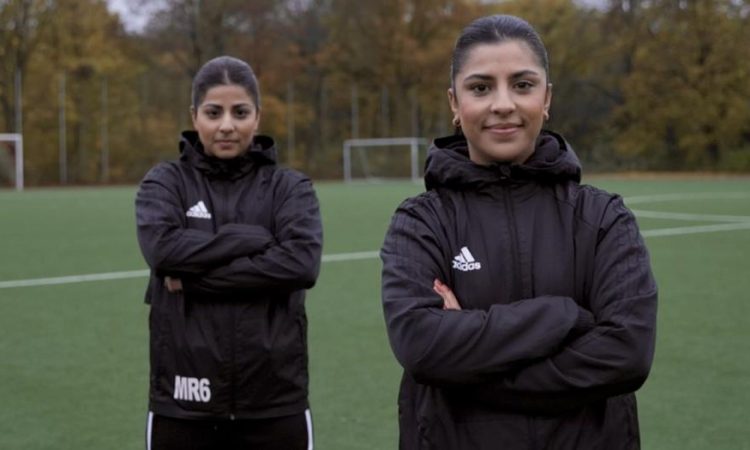
In a world where courage often battles oppression, Shabnam and Mariam Ruhin stand tall as beacons of hope for Afghan women. The former international footballers, born in Hamburg to parents who fled Afghanistan in the 1990s, are relentlessly fighting for the official recognition of Afghanistan’s women’s national football team. For these sisters, the fight transcends football—it’s about empowerment, resilience, and the audacity to dream.

From Childhood Dreams to International Pitches
“When we were children, we were interested in football,” Shabnam recalls. However, growing up, the sisters faced challenges in finding a team. Determined to overcome barriers, they pursued their passion and joined a small Hamburg club, Einigkeit Wilhelmsburg. Their talent didn’t go unnoticed, and in 2011, they achieved what many could only dream of: representing Afghanistan on the international stage.
“It was something very special to represent our country,” says Mariam. For Shabnam, the experience was transformative: “I am very proud. Especially because we played for a country where women’s football was not common. That felt very good.”
The Dark Side of the Pitch
Their journey, however, was not without struggle. In Afghanistan, societal norms often reject the idea of women in sports. Shabnam recalls the hostility they faced: “On social media, many people wrote bad things about us and said that women were not allowed to play football.” Despite the criticism, the sisters’ resilience only grew stronger.
The turning point came in 2018 when they joined former captain Khalida Popal in exposing a harrowing abuse scandal within Afghan football. Allegations of sexual abuse against female players, including charges against then-AFF president Keramuddin Keram, shocked the global community. While FIFA ultimately banned Keram for life, the sisters made a bold statement by resigning from the national team. “We said that as women we cannot tolerate this,” Shabnam asserts. “We wanted to send a message that you cannot do this to an Afghan woman.”

Fighting Against the Darkness
The return of the Taliban in 2021 marked a devastating blow for Afghan women. With strict restrictions on women’s rights and a crackdown on female athletes, many players were forced to flee. Thanks to the efforts of the Ruhin sisters and Khalida Popal, many now live in exile in Australia, playing under the banner of “Melbourne Victory FC AWT” in the Australian league.
But the sisters’ mission didn’t stop at providing safety. In 2014, they co-founded the “Girl Power” organization to support young women through education and sport. By 2021, they expanded their efforts to help former teammates, building networks and fostering solidarity. “We try to build bridges and create a network to support each other,” Mariam explains.
The Fight for Recognition
Despite their unwavering dedication, the Afghan women’s national team remains unrecognized by FIFA, a fact that deeply frustrates the sisters. “That is our biggest problem. We are trying to convince the association to recognize the national team,” Shabnam says. Without official recognition, the team cannot participate in international matches, further marginalizing their voices.
Yet, the sisters refuse to back down. “My voice represents the girls in Afghanistan. As long as I remain silent, the women will not be heard either,” says Mariam. Their message to the Taliban is clear: Afghan women’s voices cannot be silenced.
Empowering Future Generations
The Ruhins’ vision extends far beyond football. In 2021, they launched the “Spielmacherinnen” (“Playmakers”) project in Hamburg, aimed at supporting young girls from socially disadvantaged backgrounds. Through football and workshops, the initiative fosters self-confidence and independence, opening doors to education and employment.
“We want to try to open doors for them with education and sport, giving them more opportunities for their future,” Mariam explains. For Shabnam, football is more than a game; it’s a symbol of freedom.

A Message of Hope
As Afghanistan’s women face increasing repression, Shabnam and Mariam remain unwavering in their mission. Their hope is that one day, Afghan girls will enjoy the same rights as those in Germany—to make their own decisions, to pursue education, and to play sports freely.
“I want to tell all Afghan women and girls to stay strong. We are always with you and will continue to fight for you,” Shabnam declares.
The Ruhin sisters’ story is not just about football; it’s about defiance in the face of adversity and the relentless pursuit of equality. Through their actions, they remind the world that the fight for Afghan women’s empowerment is far from over. And with voices as powerful as theirs, it never will be.