

A Journey of Love and Hope: Understanding Autism in Children and the Power of Early Intervention


“Autism is often a silent condition in its early stages, but recognizing the signs early on can lead to better outcomes with the right interventions,”
As parents, there is nothing more precious than watching your child grow and develop in front of your eyes. The first smile, the first word, the first steps—each milestone a beautiful reminder of how quickly time passes. But for some parents, this journey may not look the same. Some children may not hit these developmental milestones on time, or in the way that’s expected. When that happens, the early signs of autism may begin to show—signs that every parent should be aware of, as they can hold the key to a future of greater understanding and support.

Ms. Gertrude Etornam Lumor, a Principal Nursing Officer at the Psychiatric Unit of the Tema General Hospital, recently shared with the Ghana News Agency the importance of parents seeking immediate medical care if they notice any signs of delayed or unusual developmental patterns in their children. For babies aged six months and older, early intervention is not just helpful, it’s essential.
Early Signs of Autism: What to Watch For
As a parent, it can be difficult to know when something might be wrong, especially when you’re navigating the excitement of new parenthood. However, subtle signs in a baby’s behavior can hint at an early developmental delay, and recognizing them can make a world of difference.
Ms. Lumor explains that children with autism, particularly those between six months and one year, may display specific signs that stand out. These may include a baby’s reaction to new faces, which could be uncharacteristically muted or indifferent. Some babies may rarely smile in social situations, while others might make minimal or no eye contact. The inability to follow objects with their eyes, a lack of response to their name, or limited babbling are also signs to watch for.
“Autism is often a silent condition in its early stages, but recognizing the signs early on can lead to better outcomes with the right interventions,” Ms. Lumor says, stressing the importance of prompt medical consultation.

Autism: A Journey, Not a Destination
Autism is not a one-size-fits-all diagnosis. It’s a neurological and developmental disorder that affects how people interact with others, communicate, learn, and behave. Although there is no cure for autism, early intervention can dramatically improve a child’s ability to function and thrive in the world around them.
Ms. Lumor explains that autism is often described as a spectrum because it manifests in a wide range of symptoms and varying degrees of severity. Some children may have significant communication challenges, while others may excel in certain areas. However, most individuals with autism experience difficulty communicating and interacting socially, and they often exhibit restricted interests or repetitive behaviors.
What makes autism unique, though, is the vast difference between individuals. Five different types of autism are identified in medical literature: Kanner’s syndrome, Asperger’s syndrome, Rett syndrome, Childhood Disintegrative Disorder (CDD), and Pervasive Developmental Disorder Not Otherwise Specified (PDD-NOS). Each comes with its own set of characteristics, but all are linked by the same core challenges of social communication and behavior.

The Power of Early Intervention
While there’s no cure for autism, the power of early intervention cannot be overstated. Children who receive interventions—such as behavioral therapy, speech therapy, and occupational therapy—often make significant progress in managing their symptoms, improving their quality of life, and gaining new skills that allow them to navigate the world more effectively.
For parents who may feel overwhelmed by the prospect of an autism diagnosis, Ms. Lumor offers words of encouragement: “Caring for a child with special needs is challenging, but it’s also an opportunity to see the world through a new lens. Focus on the positive, celebrate the small victories, and remember that your child is more than their diagnosis.”
She advises parents to create a “village” of support around them—family, friends, healthcare providers, and support groups—because no parent should face the journey alone. “It’s okay to take things one day at a time. You are good enough for your child, and you don’t have to be perfect. Focus on where your child is, meet them where they are, and celebrate every little step forward,” she says.
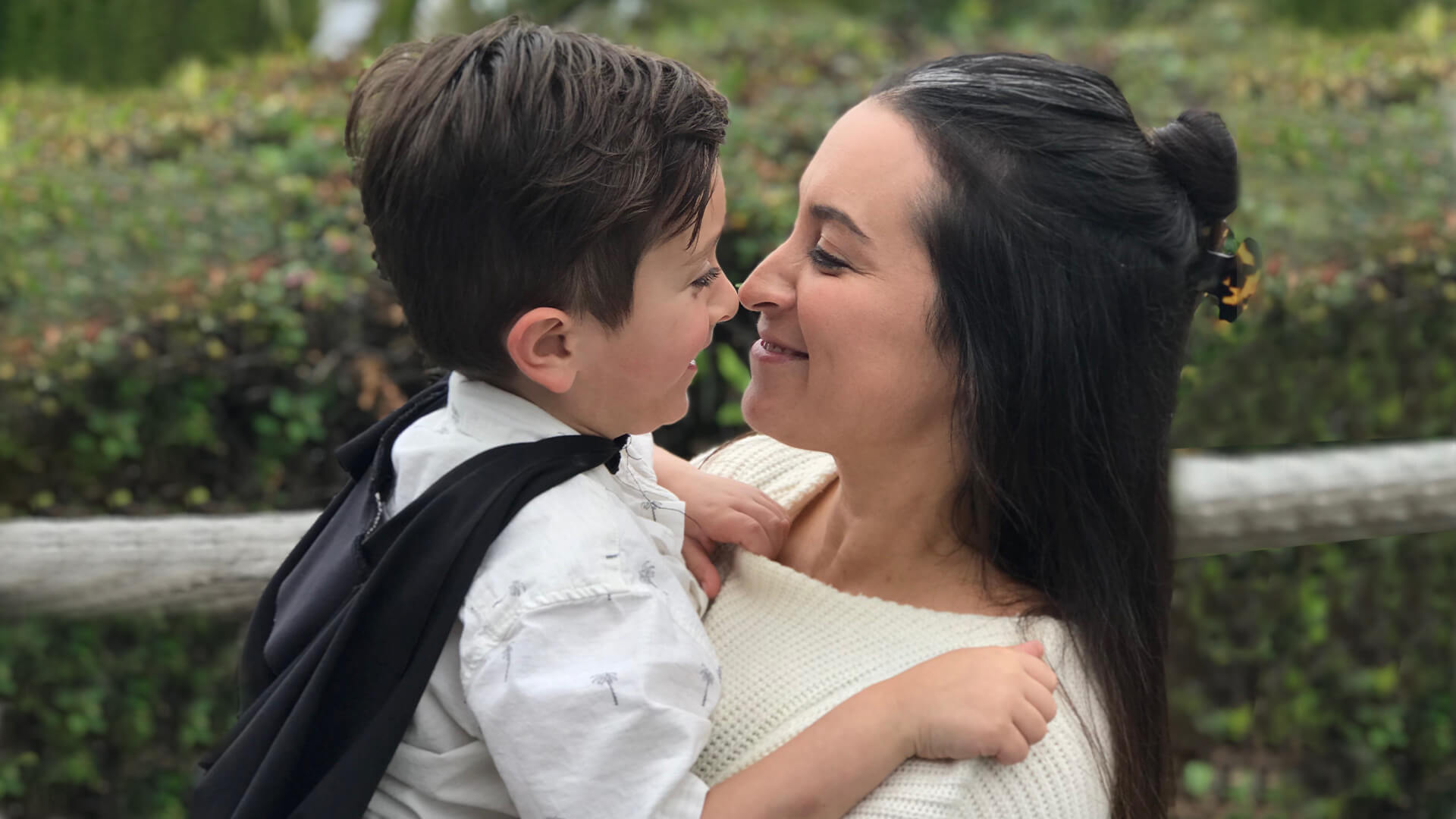
Love, Acceptance, and Unconditional Support
In the face of autism, it’s easy to feel discouraged or to worry about the future. But Ms. Lumor emphasizes that parents should approach their child’s development with love, patience, and acceptance. “Autism does not define the child,” she reminds us. “What defines them is their potential, and with love and support, they can reach that potential.”
For parents facing the challenge of raising a child with autism, it’s important to hold on to the belief that no matter what the journey looks like, it is filled with opportunities for growth and transformation. Children with autism, like all children, deserve unconditional love, respect, and a world that celebrates their unique gifts.
As parents, the most powerful thing you can do is be there for your child, at every stage, with an open heart and an unwavering belief in their potential. Your child’s journey may look different, but it is no less important. Each day is a gift, and with early intervention and support, every small victory will bring you one step closer to the full, vibrant future they deserve.