

Ibiza Beats in the Cathedral: Have We Lost the Sacred or Gained Relevance?

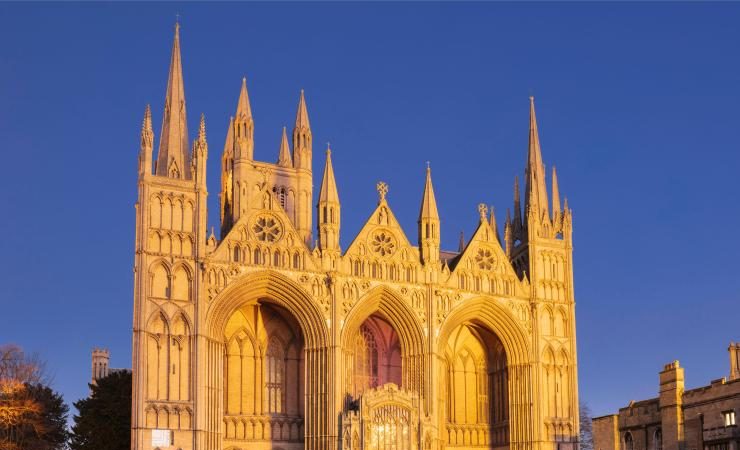
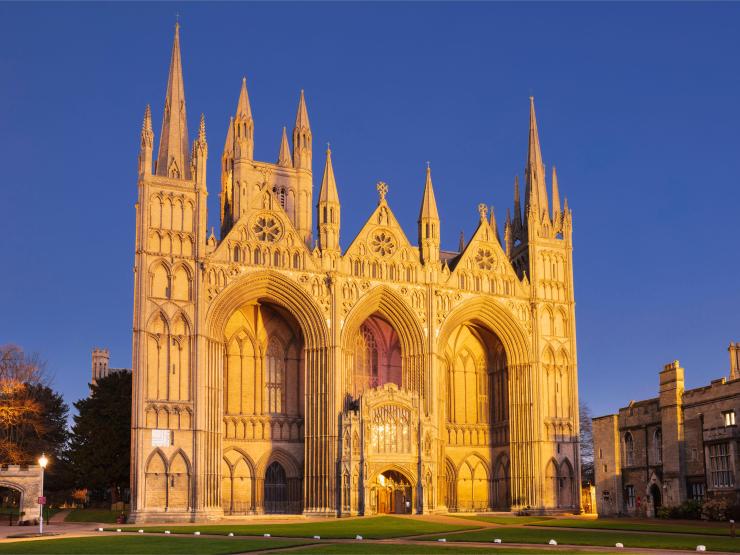
Peterborough Cathedral is at the heart of a controversy that pits tradition against modernity, worship against entertainment, and faith against finances. With its planned Ibiza-themed concert, set to take place on All Souls Day—a solemn day of Christian remembrance—the cathedral has sparked criticism across the Church of England. This event, which promises to be a night of euphoric beats and dancing, has drawn the ire of clergy who argue that the cathedral is compromising its sacred mission for the sake of financial survival.
But at what cost?
A Party in the House of God?
To understand the tension, imagine this: the hallowed halls of a 12th-century cathedral, designed for reverence, ringing not with sacred hymns but with the thumping bass of Ibiza classics. All Souls Day, traditionally a day of prayer for the dead, becomes the backdrop for a DJ-led celebration more fitting for a nightclub than a house of worship.
For many, this contrast is more than jarring—it’s deeply unsettling. Critics like Rev. Daniel French, the vicar of Salcombe, believe that such events are “incongruent with the Christian message.” His concerns are rooted not just in the clash of cultures but in what he sees as a dilution of faith itself. “This is not like a Handel concert with cheese and wine in the interval,” he told The Telegraph.
Rev. French touches on a broader discomfort: the fear that the cathedral’s embrace of secular, hedonistic culture is at odds with its sacred purpose. The heart of his critique? That an Ibiza night isn’t just a celebration of music, but a vehicle for what he calls “hyper-individualism and sexual license.” These, he argues, are values that fundamentally oppose Christian teachings on community, humility, and moral responsibility.
Secular Events: Outreach or Overreach?
There is also a more pragmatic angle to the conversation. Peterborough Cathedral’s head of marketing and communications, Paul Stainton, explained that the cathedral’s electricity bill alone had risen by £120,000. In a world where church attendance is dwindling and financial pressures are mounting, cathedrals—many of which are self-funding—are faced with difficult choices. Stainton defended the decision to hold events like the Ibiza-themed concert as part of the cathedral’s broader purpose. “We have to use the cathedral as it was intended to be used, which is as a place of worship but also a place of coming together and joy.”
But does this justification hold up when the event in question appears to stray so far from the cathedral’s core mission? Critics like Rev. Marcus Walker, rector of Great St Bart’s in the City of London, are not convinced. While Walker agrees that churches can—and perhaps should—be used for secular events, he believes those events must still point people toward the Gospel and the cross. Anything else, in his view, risks turning the church into just another venue for hire.
Rev. French’s observation adds weight to this criticism: “A lot of the young adults I am meeting are asking for a faith that is demanding and in many ways more traditional.” For these critics, the Ibiza concert is not just incongruent; it’s a sign that the church has lost confidence in its ability to appeal to young people without compromising its message.

The Tension Between the Sacred and the Secular
This is not the first time that Peterborough Cathedral has dipped its toes into secular waters. Just this past weekend, the cathedral hosted a “Queen by Candlelight” live band tribute show, and later in November, it will welcome DJ and Red Dwarf star Craig Charles for a soul, funk, and contemporary hits DJ set. These events, like the Ibiza concert, are marketed as “unforgettable nights,” promising entertainment, joy, and community.
But the critics would ask: is joy enough? Is filling the cathedral with dancing bodies and electronic beats truly in line with its sacred mission, or does it risk turning a place of worship into a mere spectacle?
There’s no denying that the Church of England is in a challenging position. With financial pressures mounting, many cathedrals face the grim reality of closure unless they can find ways to bring people—and revenue—through their doors. But at what point does the effort to stay afloat lead to spiritual drift?
In this case, the cathedral’s choice of All Souls Day for the Ibiza concert only heightens the controversy. A day traditionally dedicated to prayer for the departed is now the setting for a dance party. For critics, this isn’t just poor timing—it’s a sign that the church has lost its way.
Finding a Balance: The Future of the Church
As the Church of England grapples with its identity in the 21st century, the Peterborough Cathedral controversy highlights a larger debate: how can the church remain relevant without losing its soul? Financial sustainability is important, yes, but should it come at the cost of the very message the church exists to spread?
Some might argue that the Ibiza-themed concert is a bold experiment in outreach, a way of connecting with those who wouldn’t ordinarily step inside a cathedral. Others see it as a step too far, a sign that the church is willing to compromise its sacred mission for the sake of keeping the lights on. The question remains: is it possible to strike a balance between the sacred and the secular, or is the church at risk of becoming just another venue in the marketplace of entertainment?
As the echoes of electronic beats ring out in the hallowed halls of Peterborough Cathedral, one thing is clear: the conversation about the church’s future is far from over.