
‘A PRESENT FROM IRAN’: TRUMP REVEALS OIL TANKER MOVEMENT AS SIGN OF PROGRESS IN HIGH-STAKES NEGOTIATIONS

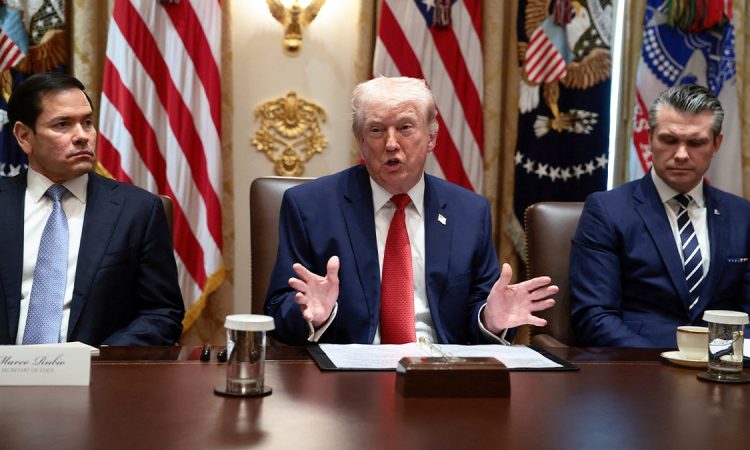
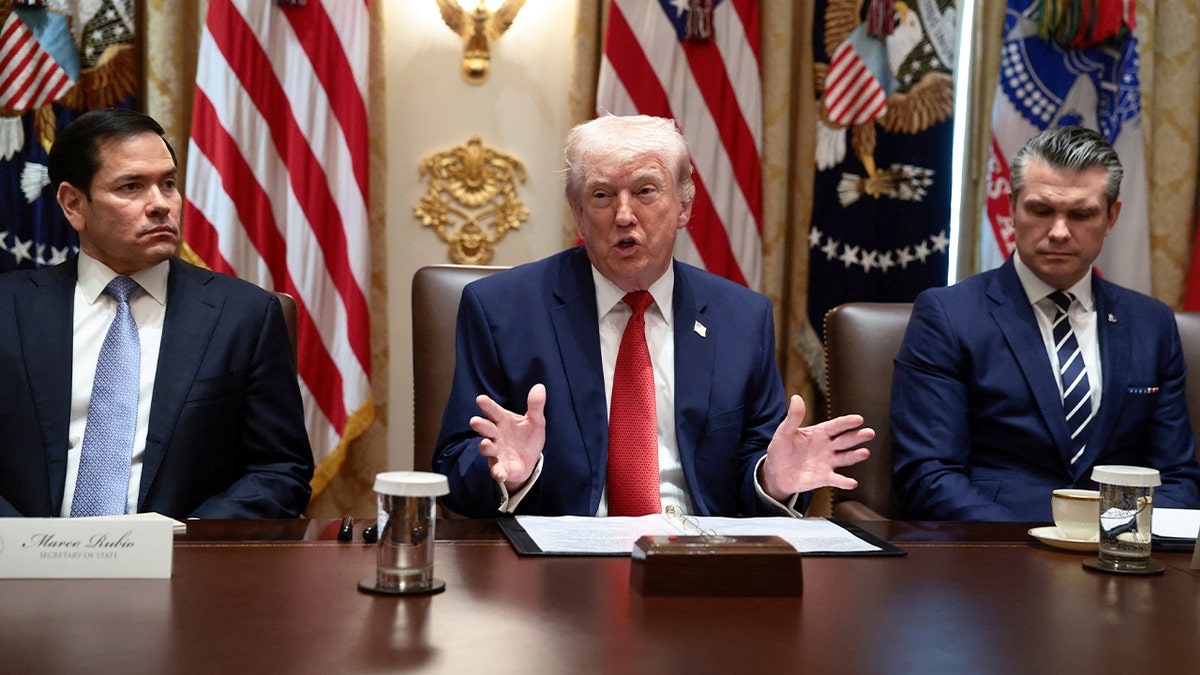
President Donald Trump disclosed Thursday what he previously described as a “present” from Iran—the movement of at least eight oil tankers through the strategic Strait of Hormuz—framing the development as a tangible sign of progress in delicate back-channel negotiations between Washington and Tehran. Speaking during a Cabinet meeting at the White House, Trump explained that Iranian intermediaries signaled their credibility by permitting the passage of the vessels, a move he interpreted as evidence that U.S. negotiators are engaging with counterparts capable of delivering results. “They said to show you the fact that we’re real and solid, and we’re there—we’re going to let you have eight boats of oil,” Trump recounted, later noting the number reached ten. “I said, ‘Well, I guess we’re dealing with the right people.’” The tanker movement comes amid heightened uncertainty surrounding Iran’s leadership following joint U.S.-Israeli strikes that killed dozens of senior officials, including the country’s new supreme leader, Mojtaba Khamenei, whose condition and level of control remain unclear. Analysts suggest Iran’s decision-making may now be fragmented across competing power centers, complicating efforts to identify a reliable negotiating partner.
The diplomatic overtures unfold against a backdrop of conflicting signals and mounting pressure. White House envoy Steve Witkoff revealed Thursday that he has seen “positive signs” after delivering a 15-point proposal to Iran through Pakistani mediators, even as Iranian officials publicly deny that any negotiations with Washington are underway. Trump had earlier issued a five-day ultimatum for Iran to demonstrate seriousness about mediation or face strikes on energy infrastructure, though he declined Thursday to confirm whether such strikes would proceed. Iranian Foreign Minister Abbas Araghchi acknowledged that Tehran is reviewing the U.S. proposal but maintained that no direct negotiations are taking place. Witkoff struck a cautious yet hopeful tone, saying, “We will see where things lead, and if we can convince Iran that this is the inflection point with no good alternatives for them, other than more death and destruction. We have strong signs that this is a possibility, and if a deal happens, it will be great for the country of Iran.” As shipping through the Strait of Hormuz—a chokepoint for 20 percent of the world’s oil—has slowed drastically since late February, the tanker movement offers a rare glimpse of potential de-escalation, even as the broader geopolitical landscape remains fraught with uncertainty.