
The Vanishing Vestige: Church Weddings in Free Fall

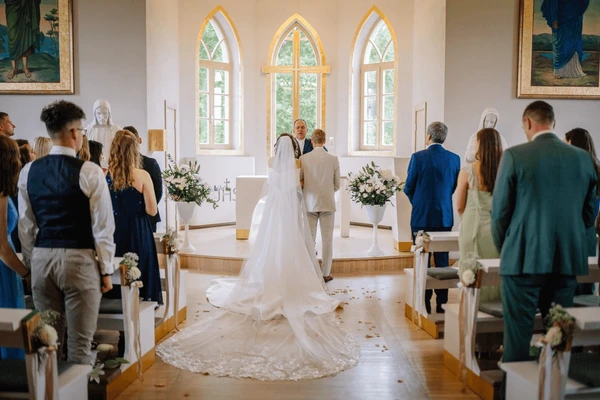
The numbers are stark: church weddings in England and Wales have plummeted to their lowest level on record, with the Church of England officiating just 23,004 opposite-sex marriages in 2023, a mere one in ten ceremonies. This decline is not a sudden phenomenon, but rather a decades-long trend, with church weddings decreasing from a third of all ceremonies in 1973 to just over a fifth in 2003. The data is a wake-up call, signaling a seismic shift in societal values and a disconnection from traditional religious practices.

Experts are sounding the alarm, with Professor Diarmaid MacCulloch noting that “the public have voted with their feet,” while Reverend Marcus Walker laments the trend as “sad and worrying,” citing the importance of marriage in a fast-moving world. The decline is not just about numbers; it’s about the erosion of community and family values. As the Bishop of Manchester, Rt Rev David Walker, emphasizes, the Church welcomes couples and wants to ensure their wedding is personal and meaningful, regardless of their faith background.
The underlying causes are complex, but financial pressures and changing social norms are significant factors. With weddings becoming increasingly unaffordable, many couples are opting for alternative arrangements or delaying marriage altogether. As Harry Benson of the Marriage Foundation warns, falling marriage rates contribute to wider family instability, making it essential to address this issue and find ways to revitalize the institution of marriage.