

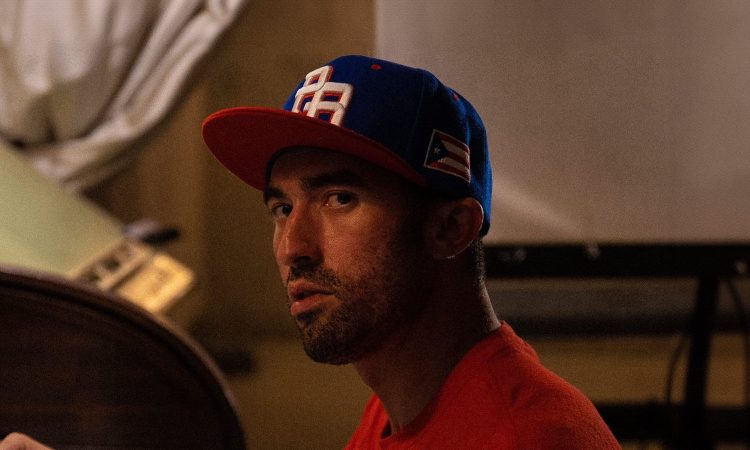
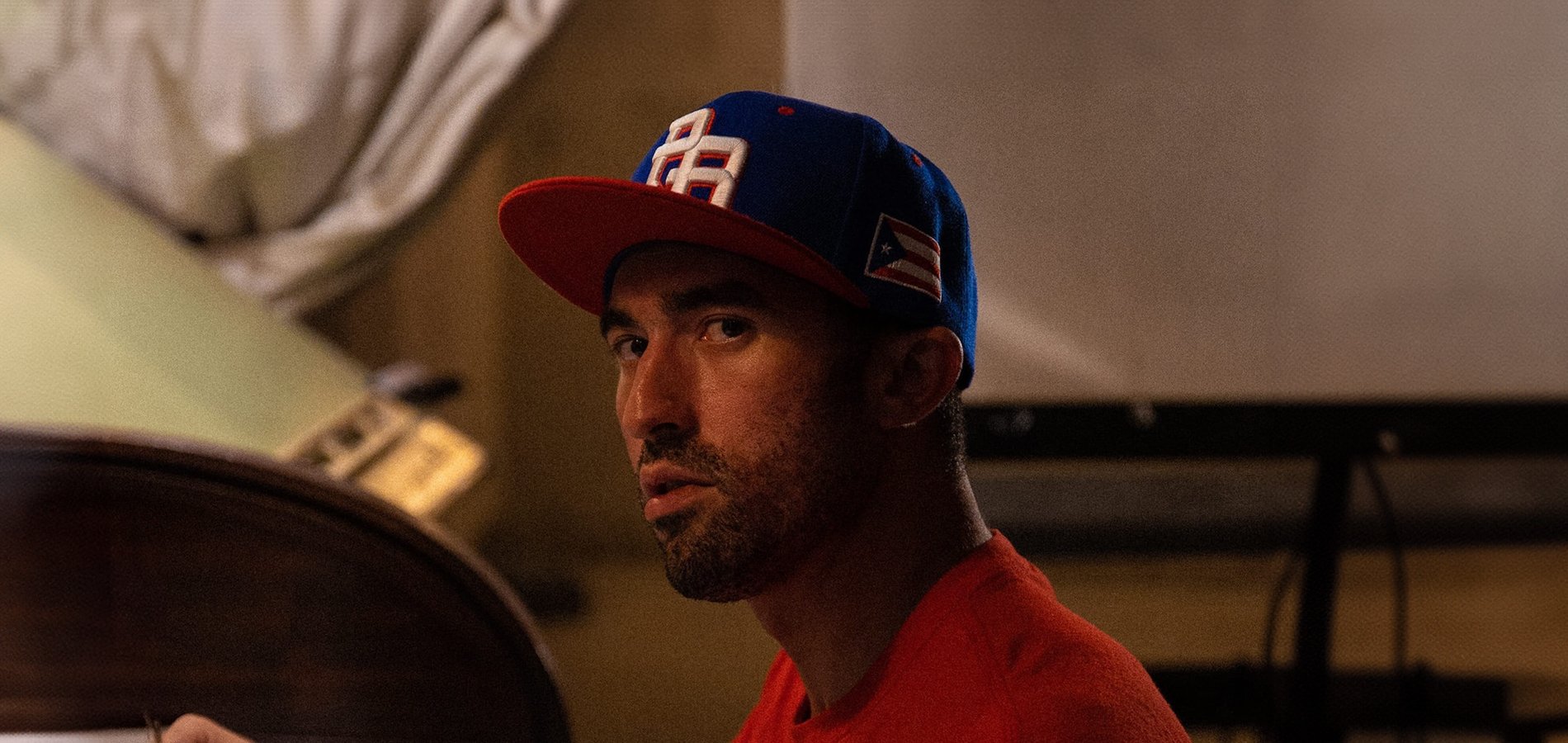
Throughout the month of November, the GMA is celebrating all things Hip-Hop. We had the opportunity to sit down with industry professional Justin Sarachik and hear about his history with Hip-Hop.
Screen Shot 2024-05-02 at 12.42.13 PM
Tell us your history with Hip-Hop Music.
My history with hip-hop starts with me as a kid rapping along to every word TobyMac was saying in the DC Talk days. I didn’t necessarily grow up on conventional hip-hop and would discover it later in life. As a teenager, I spent many years playing the drums in various bands, and right around college, I started to “really really” understand hip-hop as an art form and culture. As I started to lose interest in the drums, I began writing and producing hip-hop songs almost every day for a few years. Eventually, I would rap in a band for nearly 15 years.
I’m also someone who doesn’t want to jump into something without paying my respects and doing my research, so I spent years studying and learning the history of hip-hop. While this was happening, I also became a journalist, mostly covering non-hip-hop music. In 2015, when I landed with Rapzilla, CHH wasn’t something I was well-versed in, so I made it my mission to go back and tell all the stories of Christian hip-hop that had rarely been told.
I’ve spoken to nearly every legend or pivotal figure in the Christian rap space ever, with names like Stephen Wiley, Frank Hooker, Michael Peace, Soup, TobyMac, T-Bone, M.C. Gegee, PID, and on and on. I’m also happy to say that I’ve spoken to the current generation of artists at length, some before they were even known, such as NF, WHATUPRG, and on and on. Roughly 8,000 stories later, and I’m not sure if anyone has ever written more about CHH than I have. Now I also get to help this next generation of artists put music out as a sort of A&R/manager role.
What defines the Hip-Hop genre?
I think for many years, there was a clear distinction of “this is rap music and this is not,” but now that line is blurred, which has its pros and cons. A lot of what’s considered hip-hop now was traditionally known as pop or even light rock. However, hip-hop has so ingrained itself in culture that it seeps into every facet of music now, from production to vocal inclinations. I’m sure if you ask Forrest Frank or TobyMac if they are hip-hop artists, they would say no, but there will always be people who hear the rhythmic side of them and equate it to hip-hop. The beautiful thing about it is that it’s ok. There is something for everyone, whether they like traditional gospel rap, theological rap, boombap gritty rap, pop rap, rock rap, and so on. We have it all, and it’s at a high level.
Throughout the month of November, the GMA is celebrating all things Hip-Hop. We had the opportunity to sit down with industry professional Justin Sarachik and hear about his history with Hip-Hop.
Screen Shot 2024-05-02 at 12.42.13 PM
Tell us your history with Hip-Hop Music.
My history with hip-hop starts with me as a kid rapping along to every word TobyMac was saying in the DC Talk days. I didn’t necessarily grow up on conventional hip-hop and would discover it later in life. As a teenager, I spent many years playing the drums in various bands, and right around college, I started to “really really” understand hip-hop as an art form and culture. As I started to lose interest in the drums, I began writing and producing hip-hop songs almost every day for a few years. Eventually, I would rap in a band for nearly 15 years.
I’m also someone who doesn’t want to jump into something without paying my respects and doing my research, so I spent years studying and learning the history of hip-hop. While this was happening, I also became a journalist, mostly covering non-hip-hop music. In 2015, when I landed with Rapzilla, CHH wasn’t something I was well-versed in, so I made it my mission to go back and tell all the stories of Christian hip-hop that had rarely been told.
I’ve spoken to nearly every legend or pivotal figure in the Christian rap space ever, with names like Stephen Wiley, Frank Hooker, Michael Peace, Soup, TobyMac, T-Bone, M.C. Gegee, PID, and on and on. I’m also happy to say that I’ve spoken to the current generation of artists at length, some before they were even known, such as NF, WHATUPRG, and on and on. Roughly 8,000 stories later, and I’m not sure if anyone has ever written more about CHH than I have. Now I also get to help this next generation of artists put music out as a sort of A&R/manager role.
What defines the Hip-Hop genre?
I think for many years, there was a clear distinction of “this is rap music and this is not,” but now that line is blurred, which has its pros and cons. A lot of what’s considered hip-hop now was traditionally known as pop or even light rock. However, hip-hop has so ingrained itself in culture that it seeps into every facet of music now, from production to vocal inclinations. I’m sure if you ask Forrest Frank or TobyMac if they are hip-hop artists, they would say no, but there will always be people who hear the rhythmic side of them and equate it to hip-hop. The beautiful thing about it is that it’s ok. There is something for everyone, whether they like traditional gospel rap, theological rap, boombap gritty rap, pop rap, rock rap, and so on. We have it all, and it’s at a high level.
ABOUT JUSTIN SARACHIK:
Justin is the Editor-in-Chief of Rapzilla.com and the project manager for Rapzilla Artists Distribution. He has been a journalist for 15 years and has written or edited for Relevant, Common Good Magazine, Christian Post, BREATHEcast, CCM Magazine, & more. He’s written close to 15,000 articles, done over 1,500 interviews, and has written and researched for several documentaries. Justin enjoys working with indie artists to develop their brands and marketing strategies, and published his first book, “Survival of the Artist: Tips & Strategies to Help Indies Succeed,” in 2023. That same year, he appeared on NBC’s Today Show as an expert voice on the history of Christian Hip-Hop on a segment that included Lecrae. He has done several speaking engagements and courses based on the book. In 2025, he launched his own distribution label called Friends With Faces that caters to rock and out-of-the-box music. Musically, Justin has been in several bands as a vocalist, rapper, or drummer for 25 years. His current project is with the Saints in Exile band.