
Should Christians Use AI to Pray? When Data Meets Divinity — A Call to Remember What Machines Can Never Feel

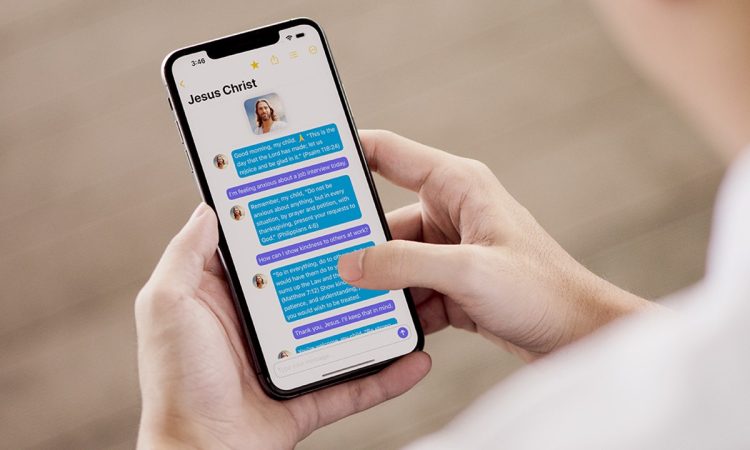
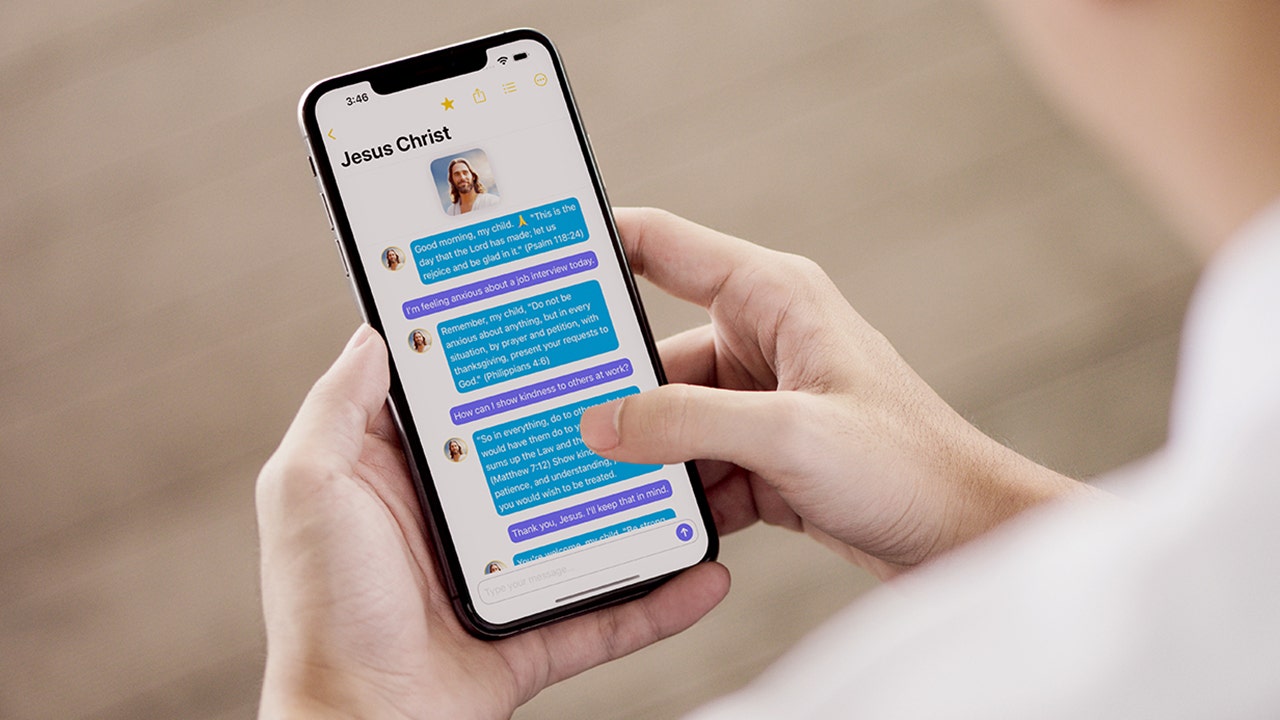
There’s something deeply human about prayer—something sacred that resists imitation. Prayer is not just speech; it’s soul. It’s not data transmitted into heaven’s inbox, but spirit reaching out to Spirit. And while Artificial Intelligence has become astonishingly capable of simulating human expression—writing prayers, generating sermons, even offering “devotional chats”—we must pause to ask: Can AI ever truly talk to God?
The Imitation of Experience
Years ago, while leading a study tour in Israel, I discovered what might be the best hummus in all of Jerusalem. It wasn’t in a guidebook or trending on social media—it was hidden in a small shop, known only to locals. My guide didn’t recommend it because of reviews or online ratings. He knew it was good because he had tasted it himself.
That story often returns to me when I hear about people asking AI to help them pray. Even if AI could “recommend” a prayer, it does so the same way it might recommend that hummus—by aggregation, not experience. It knows what others have said about the presence of God, but it has never been in His presence. It can write about awe, but it cannot feel it. It can describe peace, but it cannot rest in it.
Prayer, at its essence, is encounter—not imitation. It’s what happens when the soul collides with the eternal, not when syntax forms on a screen.
The Difference Between Knowing and Processing
AI can process Scripture, but it cannot tremble at the Word. It can compose a psalm, but it cannot weep through one. It can quote Romans 8:26, but it cannot groan with the Spirit when words fail.
There’s a chasm between understanding about God and knowing God. The first can be learned; the second must be lived. Our faith is not merely informational—it is incarnational. Christ came not as code or algorithm, but as flesh and blood. The same is true of prayer: it requires presence, vulnerability, and the messy, miraculous intimacy that no machine can simulate.
AI can mimic reverence, but it cannot worship. It can generate empathy, but it cannot feel compassion. And that difference is more than technical—it’s theological. It speaks to the mystery of our divine design: that God breathed life into us, not logic.
When Technology Serves, Not Substitutes
Does this mean Christians should never use AI in their spiritual life? Not necessarily. Like a Bible concordance, a theological dictionary, or even a worship playlist, AI can assist—it can point. It can remind us of Scripture, inspire reflection, and help us find words when our hearts are heavy.
But the danger comes when we replace the seeking with the search engine, when we outsource intimacy to automation. God doesn’t need perfect wording; He desires honest hearts. And though AI might know the structure of the Lord’s Prayer, it will never know the ache of “Our Father.”
Technology is a tool. Prayer is a relationship. When the tool begins to replace the touch, we lose the warmth of what it means to commune with a living God.
The Soul Behind the Screen
Perhaps the question isn’t “Can AI pray?” but rather, “Why would we want it to?”
When the Holy Spirit intercedes with groans too deep for words, there is no algorithm that can decode that. When tears fall in the quiet and words dissolve into sighs, there is no processor that can translate the language of surrender.
AI may teach us about God, but only the Spirit can bring us to Him. Machines may simulate communication, but only hearts can commune.
In a world where technology grows louder by the day, perhaps the whisper of prayer is God’s way of calling us back to silence—to that sacred space where no device can follow, and no code can comprehend.

Final Reflection: The God Who Knows
Artificial Intelligence can imitate, summarize, and assist. But prayer was never meant to be efficient. It was meant to be real.
The God who formed galaxies also formed your heartbeat—and He wants to hear it. He is not moved by perfect phrasing but by presence. So before you ask a machine to pray for you, remember: the Creator of all things is already listening. And He prefers your trembling, imperfect words over a thousand lines of flawless code.