

Cold Isn’t Always Cool: Foods That Should Never Touch Your Fridge (And Why)


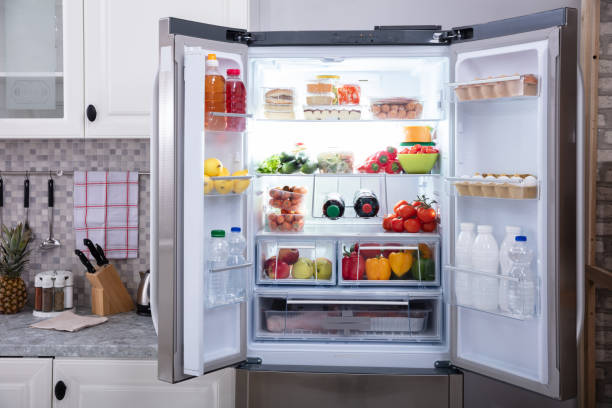
Your refrigerator might seem like a safe haven for everything edible—but it’s not! While the fridge is perfect for keeping milk fresh, meats safe, and veggies crisp, some foods actually lose their flavor, texture, and nutritional value when chilled. In some cases, refrigerating them can even cause faster spoilage or unwanted chemical reactions. Let’s uncover the science behind why certain foods should never touch your fridge.
1. Potatoes — The Sweet Disaster
Cold temperatures cause the starch in potatoes to convert into sugar faster, giving them an unpleasantly sweet taste and gritty texture. Storing them in the fridge can also alter how they fry or roast. Instead, keep them in a cool, dry, ventilated place—like a pantry or paper bag—to maintain their natural flavor and firmness.

2. Bananas — Nature’s Room-Temperature Fruit
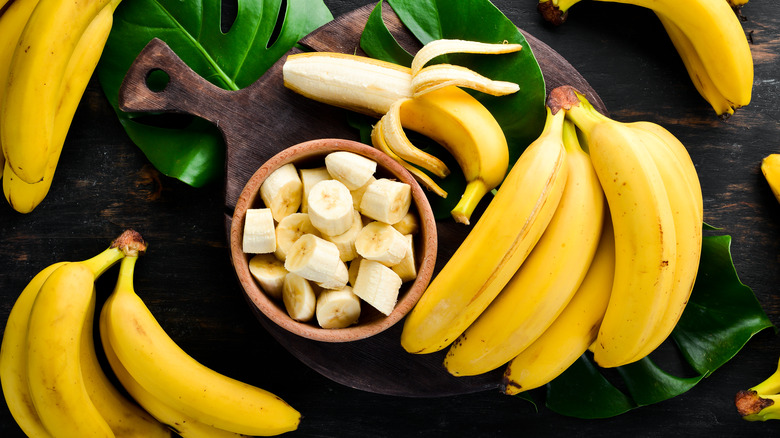
Bananas hate the cold! Refrigeration disrupts the ripening process and causes the skin to turn black while the inside stays underripe. The best way to preserve bananas is to keep them on the counter until ripe. For longer storage, peel and freeze them for smoothies or baking.
3. Whole Melons — Chill Kills Their Nutrients
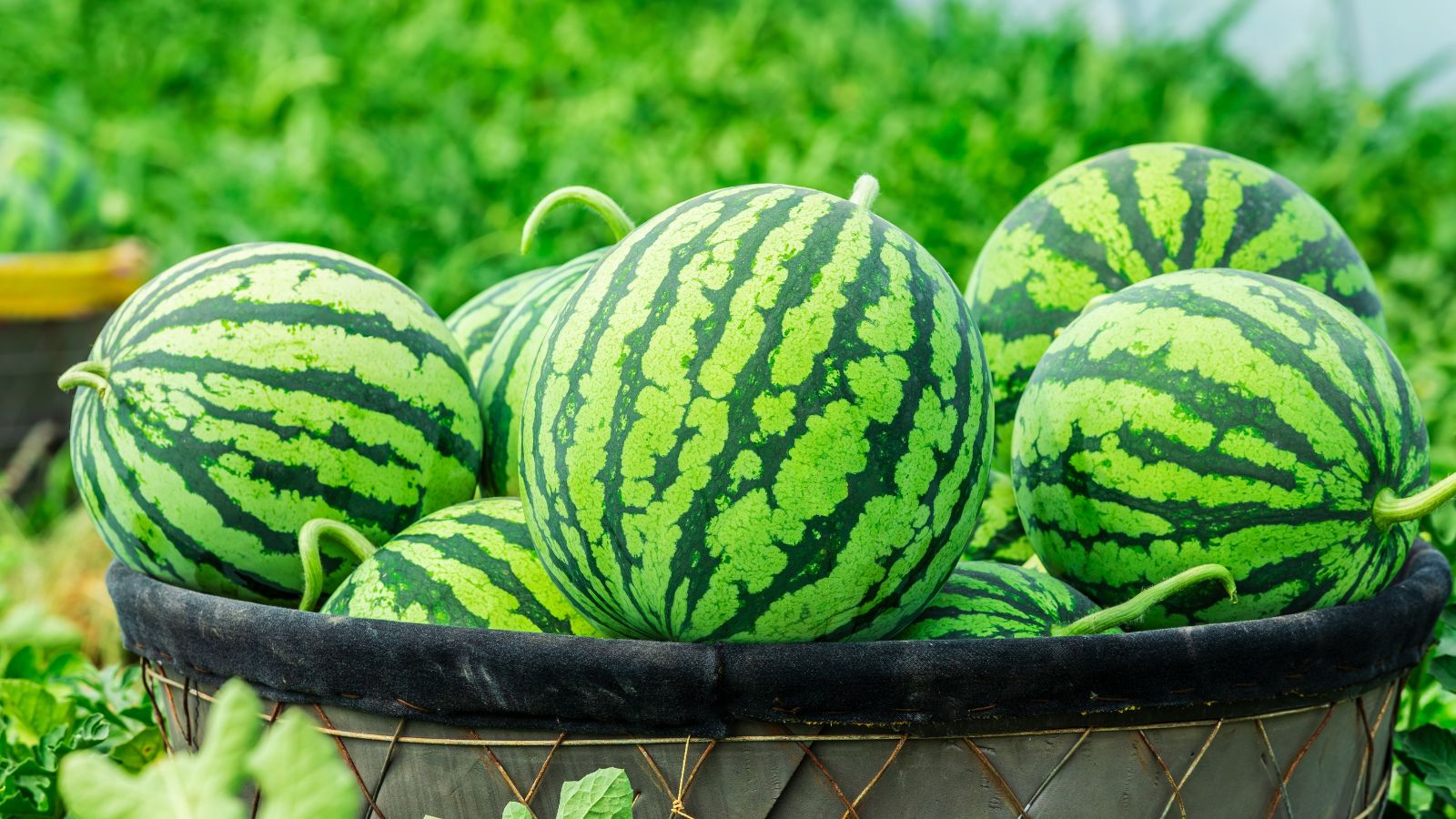
Research shows that melons stored at room temperature retain more antioxidants than refrigerated ones. Whole melons rot faster in cold conditions, so only refrigerate them after slicing. Keep whole ones on the counter in a shaded spot for juicier, sweeter results.
4. Basil — A Fridge’s Fragile Victim
Basil wilts and turns black in the cold due to its sensitivity to low temperatures. Treat it like fresh flowers—trim the stems and store in a glass of water on the countertop, loosely covered with a plastic bag. This keeps it fresh and aromatic for days.

5. Onions — They Need to Breathe
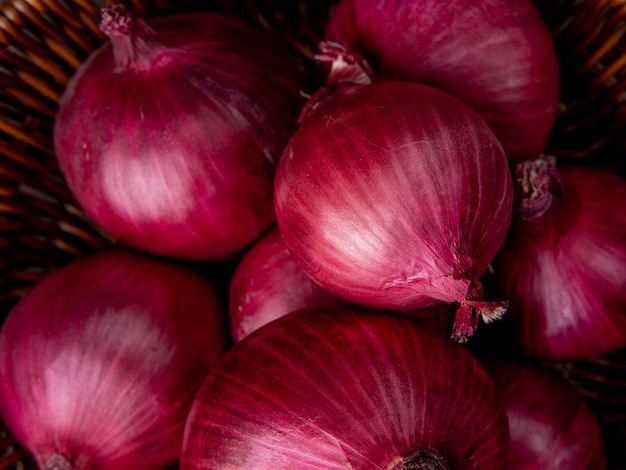
Fridge humidity softens onions, encourages mold, and ruins their flavor. Plus, storing them near potatoes accelerates spoilage for both! Instead, keep onions in a mesh bag in a cool, airy cupboard. Once cut, wrap them tightly and refrigerate only for short-term use.
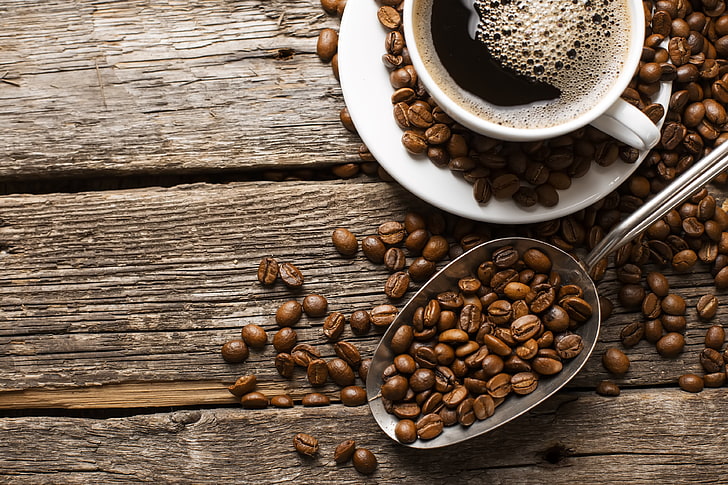
6. Coffee — Aroma Assassin
Your coffee’s worst enemy? Moisture and odors. The fridge’s cold air makes coffee beans absorb unwanted smells and lose their rich aroma. Always store beans or grounds in an airtight container at room temperature, away from light and heat. Your morning brew will thank you!
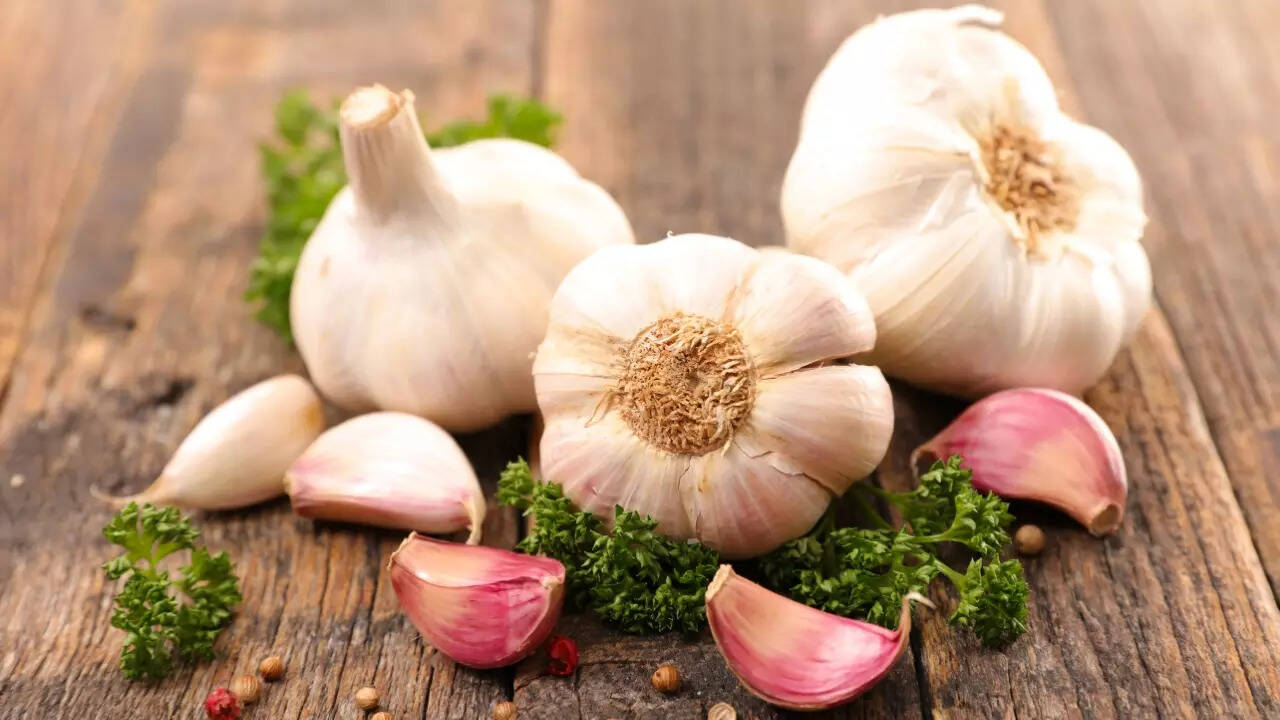
7. Garlic — Mold Magnet
Garlic thrives in dry, ventilated environments. The fridge traps moisture inside its papery skin, encouraging mold and sprouting. Keep bulbs in a mesh basket or paper bag at room temperature. They’ll stay potent and flavorful for weeks.
8. Hot Sauces — Chill Dulls the Heat
Most hot sauces contain vinegar and salt, natural preservatives that keep them fresh outside the fridge. Cold air can weaken their flavor intensity over time. Keep your fiery favorites in a cool cupboard instead—your taste buds will feel the difference.

9. Bread — The Great Crumb Catastrophe
Contrary to popular belief, refrigerating bread ages it faster. The cool air causes starch molecules to recrystallize, making bread dry and tough. Store loaves in a breadbox or tightly wrapped on the counter. Freeze extras instead of refrigerating for long-term freshness.

Final Bite: Know Your Food’s Comfort Zone
Think of your fridge as a food sanctuary—but one that not all foods belong in. Each ingredient has its ideal environment, and understanding that balance can save money, reduce waste, and enhance flavor. The next time you unpack groceries, remember: sometimes, the best preservation comes from letting food breathe.