
The Words That Wound: 7 Phrases You Should Never Say to Someone Battling Low Self-Esteem


Why This Matters More Than We Think
Self-esteem isn’t just a soft, fluffy concept reserved for self-help books; it’s the very foundation of how we navigate the world. When our sense of worth is bruised, even small comments can echo like thunderclaps inside us. Whether you’re the one struggling or the friend trying to help, the language you choose can either heal or harm. Unfortunately, even well-meaning friends can unknowingly use phrases that deepen someone’s struggle instead of easing it. Let’s break down seven of the most common offenders and why they sting more than soothe.

1. “You’ll Get Over It.”
At first glance, this seems comforting. But to someone with low self-esteem, it feels like their pain is being brushed off as temporary and insignificant. Struggles with self-worth aren’t a flu to recover from; they’re often rooted in deep-seated experiences. What helps instead: “I know this is really hard for you. I’m here to support you while you work through it.”
2. “Someone Always Has It Worse.”
While intended to give perspective, this phrase shames people into silence. It invalidates their pain by suggesting they’re not entitled to feel it. Suffering isn’t a competition. A better alternative: “Your feelings are valid. I’m here to listen.”
3. “You Just Need More Confidence.”
This one sounds like a quick fix, but it’s like telling someone with a broken leg to “just walk it off.” Confidence is built through compassion, not commands. Try instead: “Let’s work on small steps that might help you feel more confident. I’ll support you.”
4. “Don’t Be So Hard on Yourself.”
Although it may sound empathetic, it can feel dismissive, especially if the person doesn’t know how not to be hard on themselves. They’ve likely been self-critical for years. What’s more helpful: “I see you’re being really hard on yourself. Would you like me to help you see some of your strengths right now?”
5. “It’s Not a Big Deal.”
To the person struggling, it is a big deal. This phrase communicates that their feelings are exaggerated or irrational. This can deepen shame. A better phrase: “I can see this matters a lot to you. Let’s talk about it.”
6. “You Should Be Grateful.”
Gratitude is powerful, but when it’s used as a weapon, it becomes toxic. Telling someone to “be grateful” while they’re hurting can feel like you’re scolding them for being human. A gentler approach: “I know you’re hurting. When you’re ready, maybe we can also look for things that bring comfort or hope.”
7. “Stop Feeling Sorry for Yourself.”
This one lands like a slap. It frames vulnerability as weakness and discourages open expression. Empathy, not shame, helps people heal. Consider instead: “I can see you’re in pain. Would you like to share more about what’s going on?”
Why Language Matters: The Science of Words and Worth
Psychologists have long shown that language shapes self-perception. The Bible echoes this truth: “Death and life are in the power of the tongue.” Words can be seeds of healing or daggers of harm. Saying “I made a mistake” is healthy accountability. Saying “I’m a total failure” fuses identity with error. When we choose our words wisely, we become architects of hope rather than demolition crews of self-worth.

Takeaway: Speaking Life Into Others
If someone you love is struggling with self-esteem, resist the reflex to “fix” them with platitudes. Instead, slow down. Listen. Validate. Speak words that affirm their dignity and humanity. Never underestimate the quiet power of your language—it can be the difference between someone spiraling further inward or stepping gently toward healing.



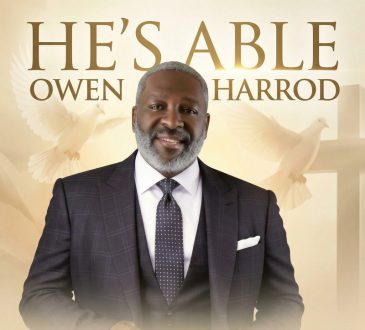



 arrives as a quiet sanctuary for the weary soul. This deeply reflective worship project continues the singer’s heartfelt exploration of faith, identity, and trust in God,)

