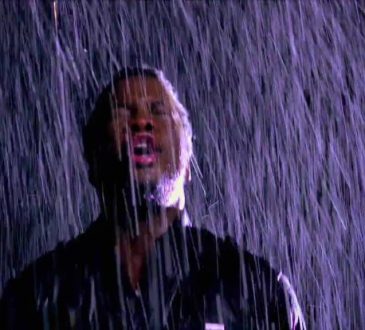

Shadows Behind the Spotlight: The Fall of a Gospel Giant

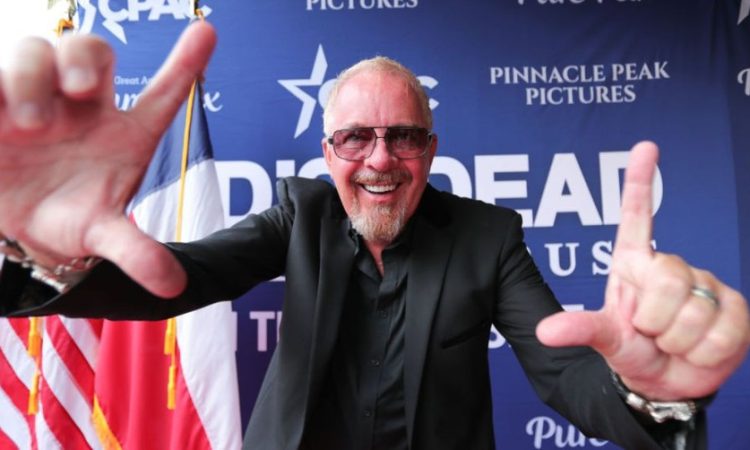
In a development sending shockwaves through the Christian music industry, Wes Campbell — co-founder and longtime owner of the Newsboys — has stepped down from his position on the Gospel Music Association (GMA) board amid serious allegations of covering up misconduct involving former Newsboys frontman Michael Tait. The resignation comes on the heels of mounting pressure and a growing cloud of controversy, as disturbing details emerge about Tait’s alleged drug abuse, sexual misconduct, and even complicity in a rape incident during a 2014 tour. In a resignation letter addressed to top GMA officials, Campbell stated he was stepping down “so as not to become a distraction,” while firmly denying any prior knowledge of Tait’s behavior. But the timing and gravity of the accusations are raising deeper questions about accountability and silence in Christian celebrity culture.
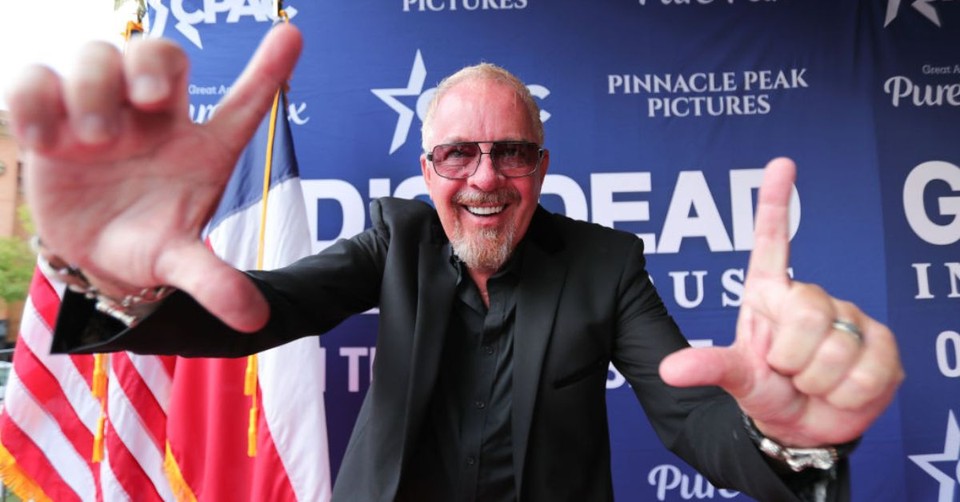
The allegations surrounding Tait — once hailed as a beacon of spiritual charisma in the contemporary gospel world — have sent tremors not just through fans, but through an industry long criticized for prioritizing image over integrity. In a shocking turn, Tait admitted earlier this year to living a double life, a confession that now appears more sinister given the fresh claims of predatory behavior spanning over two decades. Adding to the intrigue, Wes Campbell’s brother, Steve Campbell, has also been placed on leave pending an internal investigation into what he may have known while managing the band’s tours. While Wes insists that previous rumors lacked substance to warrant action, critics are questioning how so much darkness could remain hidden — or worse, ignored — under the guise of ministry.

What this unfolding saga exposes is more than just the failure of one man or one organization. It spotlights a troubling pattern in faith-based entertainment: the conflation of charisma with character, platform with purity. Campbell’s final note praises the leadership of GMA President Jackie Patillo and promises full transparency in a forthcoming report. Yet the deeper reckoning will not come from paperwork — it will come from the willingness of an entire community to confront painful truths. The brand of Christianity that turns a blind eye to abuse to protect its stars is not faith — it’s idolatry. And as the gospel world grapples with this reckoning, one truth remains unshakable: silence, even when dressed in righteousness, is complicity.