

In Defense of Truth: Why the Trump Administration’s Oval Office Press Ban May Be the Bold Reset America Needs

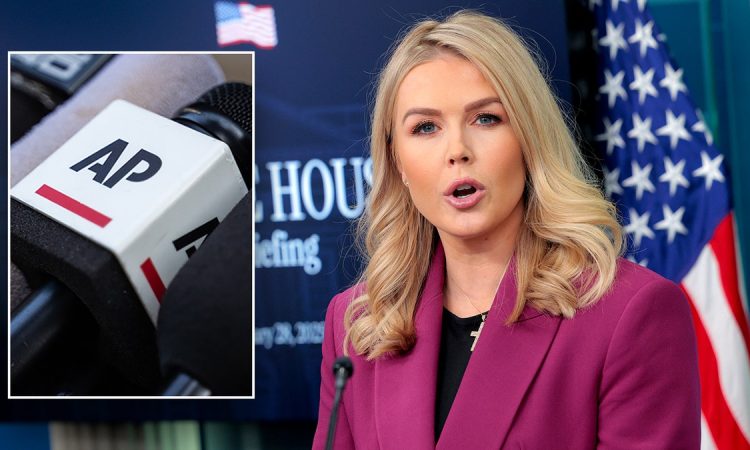
In an era where truth is often filtered through editorial agendas, the Trump administration’s decisive move to bar the Associated Press from an Oval Office event has ignited a constitutional debate — and perhaps, a necessary national reckoning.
The mainstream media would have you believe this is a war on the First Amendment. But let’s be honest: this isn’t about press freedom — it’s about press accountability.
Here’s the real story.
On Monday, AP reporter David Bauder cried foul after the publication’s staff were barred from covering a high-profile meeting between President Donald Trump and El Salvador’s President Nayib Bukele. This came just as a delayed court order restoring the AP’s access was poised to take effect. The Associated Press called it a “violation of a judge’s ruling.” But context matters — and so does the Constitution.
The Controversy That Sparked It All
On Day One of his second term, President Trump signed an executive order to rename the “Gulf of Mexico” the “Gulf of America” — a symbolic act reinforcing national identity and ownership. Predictably, the AP responded not with objective reporting, but with ideological resistance, issuing an internal memo instructing its global network to reject the President’s directive in favor of legacy naming conventions.
Let that sink in. An unelected news agency openly chose to defy a sitting U.S. President’s executive order on American nomenclature — not with debate or discussion, but with deliberate noncompliance. That’s not journalism. That’s activism dressed as reporting.
Oval Office Access: A Privilege, Not an Entitlement
Contrary to popular belief, the White House is not obligated to provide unlimited access to any and every media outlet, particularly those with a documented bias or agenda. The Oval Office is not a revolving door for editorial protests. It is a seat of governance — and access must be granted based on professionalism, not provocation.
U.S. District Judge Trevor McFadden ruled last week that the ban amounted to “viewpoint discrimination” — yet even he gave the White House a one-week window to appeal. The administration acted within that window, swiftly filing an appeal and requesting a hearing before the U.S. Court of Appeals for the D.C. Circuit. In other words, due process is not being violated. It’s being exercised.

When Media Loses Objectivity, the People Lose Truth
The bigger issue here is not whether AP gets a seat at the table. It’s about whether America can trust that the people in those seats are there to report, not to resist.
The Trump administration has long stood on the frontlines of the culture war between biased media and the American public’s right to honest news. This isn’t suppression — it’s course correction. The Associated Press chose to insert its opinion into a geopolitical narrative. Now it’s facing the consequences of abandoning impartiality.
A Message to America: Don’t Confuse Freedom of the Press with Freedom from Accountability
Every journalist has the right to free speech. But no one — not even the storied AP — has the right to distort facts under the guise of journalistic integrity. If objectivity no longer guides the press pool, then the administration has every right to ensure that those who enter the Oval Office are there to inform, not inflame.
As the appeal heads to court, one thing is clear: this isn’t just a legal debate. It’s a turning point for how America defines the role of its media. And President Trump, once again, is leading the charge — not to silence the press, but to challenge it to be what it was always meant to be: fair, factual, and fearlessly neutral.
Because in the Gulf of America, we don’t surrender our sovereignty to selective storytelling.