

Why Christians Must Protect Real Relationships in an Age of AI — A Spiritually Uplifting Exposé for the Times We’re Living In


“Let love be genuine…” — Romans 12:9
In an age where technology is advancing faster than the blink of an eye, and Artificial Intelligence (AI) is reshaping how we work, connect, and even worship, Christians find themselves at a profound crossroads. While AI offers convenience, efficiency, and even companionship, it also raises a crucial, spirit-stirring question: Are we trading real, God-ordained relationships for digital surrogates?

This article is not an indictment of technology—but a holy invitation: to guard the sacredness of real human connection in a world drifting toward artificiality.
The Silent Drift: From Intimacy to Interface
Scroll. Click. Swipe. Repeat.
Many believers now engage more with screens than with souls. It’s become easier to send a “God bless you 🙏” emoji than to show up in the messy beauty of someone’s life. AI-powered chatbots offer simulated empathy. Virtual influencers offer pre-packaged wisdom. Deepfake sermons replicate sound doctrine—but not the Spirit.
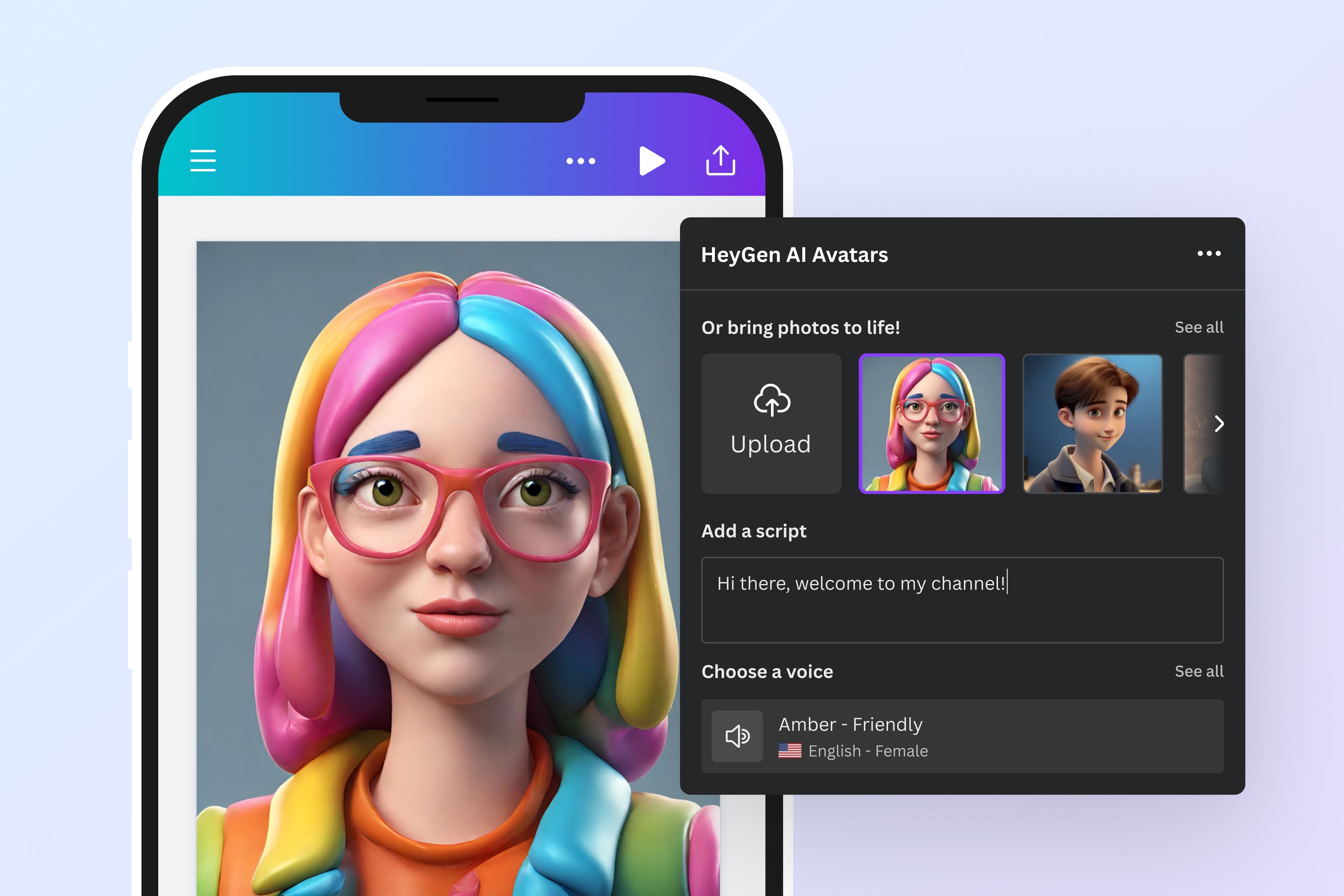
But digital substitutes can never mirror divine design.
Genesis 2:18 reminds us, “It is not good for man to be alone.” The Lord formed us for authentic fellowship—a connection that requires time, vulnerability, and presence. No matter how advanced technology becomes, it cannot breathe, weep, or pray in agreement with you. AI can replicate tone, but not tears. It can mimic prayer, but not faith. It can analyze scripture, but not receive revelation.
Christ’s Model: Presence Over Performance
Jesus didn’t send messages from the sky—He walked with His disciples. He ate with tax collectors. He wept with Mary. He touched the leper. His ministry was deeply incarnational—grounded in real-time, skin-on-skin, heart-to-heart interaction.

If Christ, the Son of God, modeled presence, how much more must we?
In an age when AI tries to emulate relationship, Christians must champion the power of presence. Whether through a coffee with a hurting friend, a visit to a shut-in, or a heartfelt phone call, we protect something sacred when we choose people over pixels.
The Soul Cost of Convenience
We must be careful not to idolize ease. AI makes life efficient—but faith is not efficient, and neither is love. True relationships require the friction of forgiveness, the patience of long-suffering, and the vulnerability of being known.
Galatians 6:2 charges us: “Carry each other’s burdens, and in this way you will fulfill the law of Christ.” You cannot carry a digital avatar’s burdens. You cannot disciple a synthetic soul. Relationships may be messy, but they are God’s refining fire for our spiritual growth.
Discernment in the Digital Age
The Bible does not demonize tools—but it does call for discernment.
Proverbs 4:23 says, “Guard your heart above all else, for it determines the course of your life.”
AI should remain a tool—not a replacement for real connection, spiritual accountability, or Holy Spirit-inspired fellowship.
Let us use AI wisely—to reach the lost, streamline work, and share the Gospel globally. But let us never forget: digital interaction is not divine intimacy.
A Call Back to Covenant
Now more than ever, the Body of Christ must protect covenant relationships—marriages, friendships, mentorships, church family. AI cannot replace the healing that comes from a shared prayer, the warmth of a church hug, or the restoration birthed through confession and grace.

Let us return to the sacred rhythm of table fellowship—breaking bread together, opening our homes and hearts, sharing not just data but our very selves.
Final Charge: Be Present. Be Real. Be Like Christ.
Christian, in a world seduced by simulations, be the living letter of God’s love. Let your life speak louder than any algorithm. Let your embrace break through someone’s digital fatigue. Let your presence remind others that heaven is real—and so is the family of God.
For what does it profit a man if he gains the whole world of AI and yet loses the warmth of human connection?
Guard the sacred. Protect the real. Live the Gospel—not just online—but face-to-face, heart-to-heart.