
UK News: Faith Leaders Unite in Urgent Plea as 4.3 Million Children Suffer in Poverty – Will the Government Finally Act?

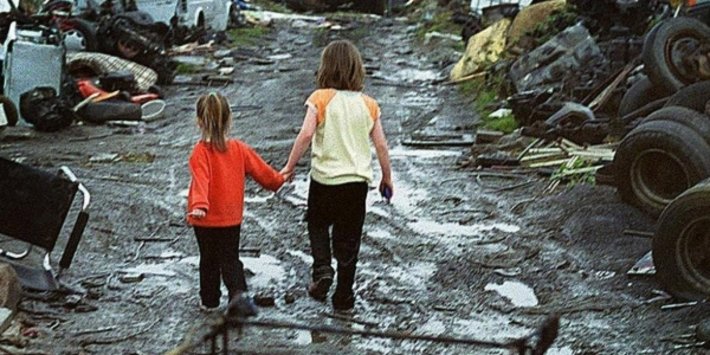
In a powerful and unprecedented move, senior faith leaders from across the United Kingdom have issued a clarion call to the government, demanding bold and ambitious action to tackle the escalating crisis of child poverty. With 4.3 million children—nearly a third of the nation’s youth—living in poverty, and an additional 400,000 at risk of falling into destitution by 2030, the moral imperative to act has never been more urgent.

In an open letter to Bridget Philipson, Secretary of State for Education, and Liz Kendall, Secretary of State for Work and Pensions—co-chairs of the Ministerial Child Poverty Taskforce—35 faith leaders from the UK’s six major religious traditions have united to demand transformative change. Representing Anglican, Jewish, Sikh, Islamic, Hindu, and Buddhist communities, the signatories include prominent figures such as former Archbishop of Canterbury Rowan Williams and the Bishop of Leicester, Rt Rev Martyn Snow. Their message is clear: the government’s forthcoming Child Poverty Strategy must be a turning point in the fight to end this national scandal.
The letter, steeped in both moral conviction and practical urgency, states: “While we come from different faith traditions, we share a belief that working to end poverty should be a hallmark of any decent, compassionate society. We also believe that transformational change is possible.” The faith leaders express hope that the strategy will rise to the challenges faced by millions of families, but they are not content with mere platitudes. They are demanding action—action that will ensure every child has the start in life they deserve.
The Stark Reality of Child Poverty in the UK
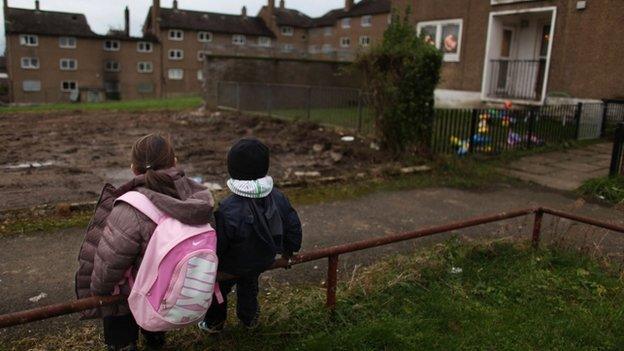
The statistics are as jarring as they are heartbreaking. Three in every 10 children in the UK are living in poverty, a figure that has risen steadily over the past decade. Behind these numbers lie stories of hunger, inadequate housing, and missed opportunities. Children growing up in poverty are more likely to experience poor health, struggle in school, and face diminished life chances. The long-term consequences of this crisis are not just personal but societal, perpetuating cycles of disadvantage that undermine the fabric of the nation.
The faith leaders’ letter draws attention to ‘Paying the Price,’ a groundbreaking report by the Methodist-founded charity Action for Children. The report outlines a comprehensive roadmap to lift 1.2 million children out of poverty by 2030. Key recommendations include reforming the social security system, increasing investment in social housing, and improving employment opportunities for low-income families. Among the most pressing demands is the abolition of the controversial two-child limit benefit cap, a policy that has been widely criticized for exacerbating poverty. Paul Morrison, Policy Adviser for the Methodist Church, emphasized the impact of this single change: “Just removing that one rule would mean that by the end of the decade, 600,000 children would be removed from poverty. It’s an unjust poverty, and it should go.”
A Moral Crisis Demanding Moral Leadership
The faith leaders’ intervention is not merely a call for policy changes; it is a profound moral challenge to the government. Rev Helen Cameron, President of the Methodist Conference, articulated the urgency of the moment: “The levels of child poverty we are seeing in communities across the UK cannot be acceptable. With communities trying to pick up the pieces and support families who are struggling, it’s time for the government to step up too.” Her words echo the sentiment of countless grassroots organizations and charities that have been left to fill the gaps left by systemic failures.
The Bishop of Leicester, Rt Rev Martyn Snow, who leads the Church of England’s efforts on poverty, added: “Every child is a precious gift and should have the opportunity to flourish. Yet the scourge of poverty we see in our country today has profound implications on their health, wellbeing, and life chances.” He reaffirmed the commitment of faith communities to support vulnerable families but stressed that charity alone cannot address the structural roots of poverty. Only a robust, government-led strategy can deliver the scale of change needed.
A Test of Political Will
The government’s Child Poverty Strategy, due to be published in the Spring, represents a critical test of its commitment to social justice. During the last election, the Prime Minister pledged to introduce an ambitious plan to lift “millions” of children out of poverty. Yet, as the faith leaders’ letter makes clear, promises are not enough. The strategy must be bold, comprehensive, and adequately resourced to meet the scale of the crisis.
The faith leaders have not only issued a challenge but also extended an offer of partnership. They stand ready to work with the government and civil society to ensure that no child is left behind. Their letter concludes with a poignant reminder: “We anticipate your strategy and pray that it will rise to the challenges we face.”

A Call to Conscience
As the UK grapples with the cost-of-living crisis, rising inequality, and the lingering scars of the pandemic, the issue of child poverty stands as a stark indictment of societal failure. The united voice of faith leaders across religious traditions underscores the moral urgency of this moment. Their message is not just to the government but to the nation as a whole: we cannot claim to be a compassionate society while millions of children are denied the basic necessities of life.
The question now is whether the government will heed this call. Will it deliver a Child Poverty Strategy that rises to the challenges of our time, or will it allow this crisis to deepen, consigning another generation to the shadows of poverty? The faith leaders have spoken. The nation is watching. The time to act is now.