Beer, Bawitdaba, and the Boundaries of a Gospel Network: Rhett Walker Confronts TBN Over TPUSA Halftime Broadcast


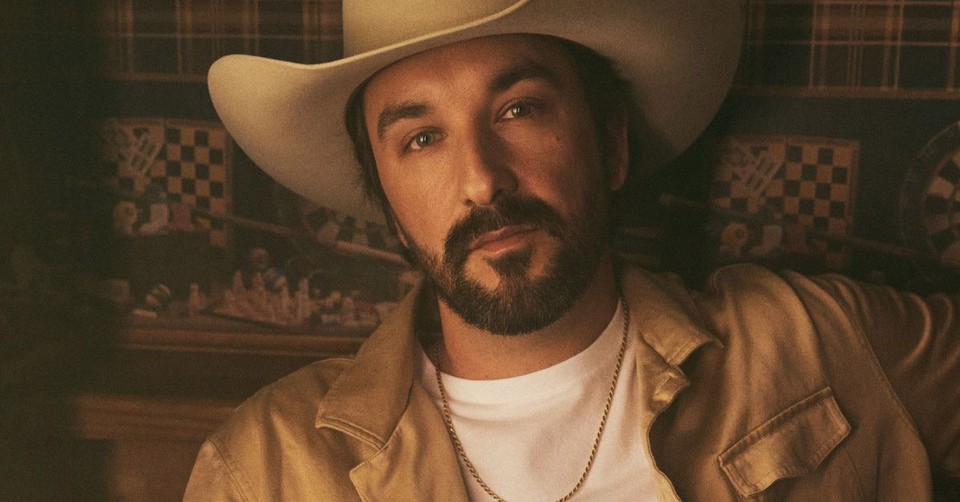
What happens when a network built on sermons and altar calls suddenly becomes the home for Kid Rock, topless dancer references, and an ice-cold beer sitting in a console? Grammy-nominated artist Rhett Walker posed that very question Sunday night as he publicly challenged TBN for airing Turning Point USA’s alternative Super Bowl halftime show—a decision he argues compromised the network’s sacred trust in exchange for cultural relevance. The All-American Halftime Show, broadcast across multiple platforms including TBN, featured country stars Brantley Gilbert, Lee Brice, Gabby Barrett, and a headlining turn from Kid Rock that included an uncensored excerpt of “Bawitdaba” complete with its signature invocation of “topless dancers,” “Gs with the 40s,” and “shots of Jack and the caps of meth.” While the event had been promoted as “celebrating faith, family, and freedom” and did include moments of genuine spiritual expression—Brice debuted a new song referencing Jesus, and Kid Rock closed with a faith-centric verse about giving “your life to Jesus” for “a second chance”—Walker found the overall package irreconcilable with the network’s stated mission. “I wasn’t even allowed to wear a hat when I went on TBN out of ‘reverence,'” he wrote on Instagram, his frustration palpable. “You had a chance to offer an opportunity to worship. An opportunity to point people to where hope is found. Instead, you reminded people they could be a part of the drinking crowd.”
The backlash, which has rippled across Christian social media spaces, strikes at a deeper question than one network’s programming choices. When Gilbert performed “Dirt Road Anthem” with its recurring console-seated beer, when Brice invited viewers to “raise your glass” to the “drinking class,” when Kid Rock’s decades-old party anthem arrived uncensored on a channel synonymous with Billy Graham reruns and worship marathons—what message does that send about the distinctiveness of Christian media? Walker has refused to soften his stance despite pushback, clarifying that his issue isn’t with faith elements present in the broadcast but with the normalized celebration of drunkenness on a platform built to point toward holiness. “Pretty simple,” he summarized, distilling an entire theological debate into six words. TBN has not yet responded publicly to the criticism, and the TPUSA broadcast continues to circulate, having drawn over 5 million YouTube views. But Walker’s question lingers in the static, unanswered and unavoidable: if a gospel network won’t draw a line between worship and “Bawitdaba,” who will? And more urgently—what are we doing, indeed.