The Great Grocery Pivot: Amazon Bets Its Future on Whole Foods and the Delivery Driver

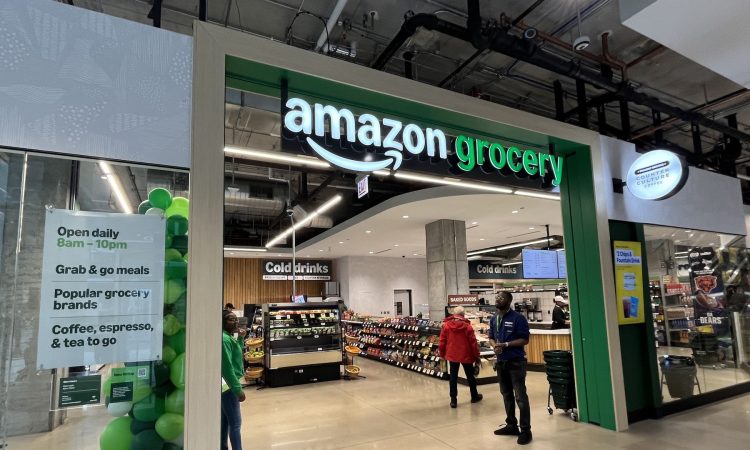
In a sweeping strategic retreat from its boldest brick-and-mortar experiments, Amazon is shuttering its entire fleet of Amazon Fresh and Amazon Go stores, marking a decisive end to one chapter and a sharpened focus on another. This monumental shift, confirmed this week, sees the e-commerce giant re-centering its vast grocery ambitions on two clear pillars: the organic might of Whole Foods Market and the relentless expansion of instant delivery.
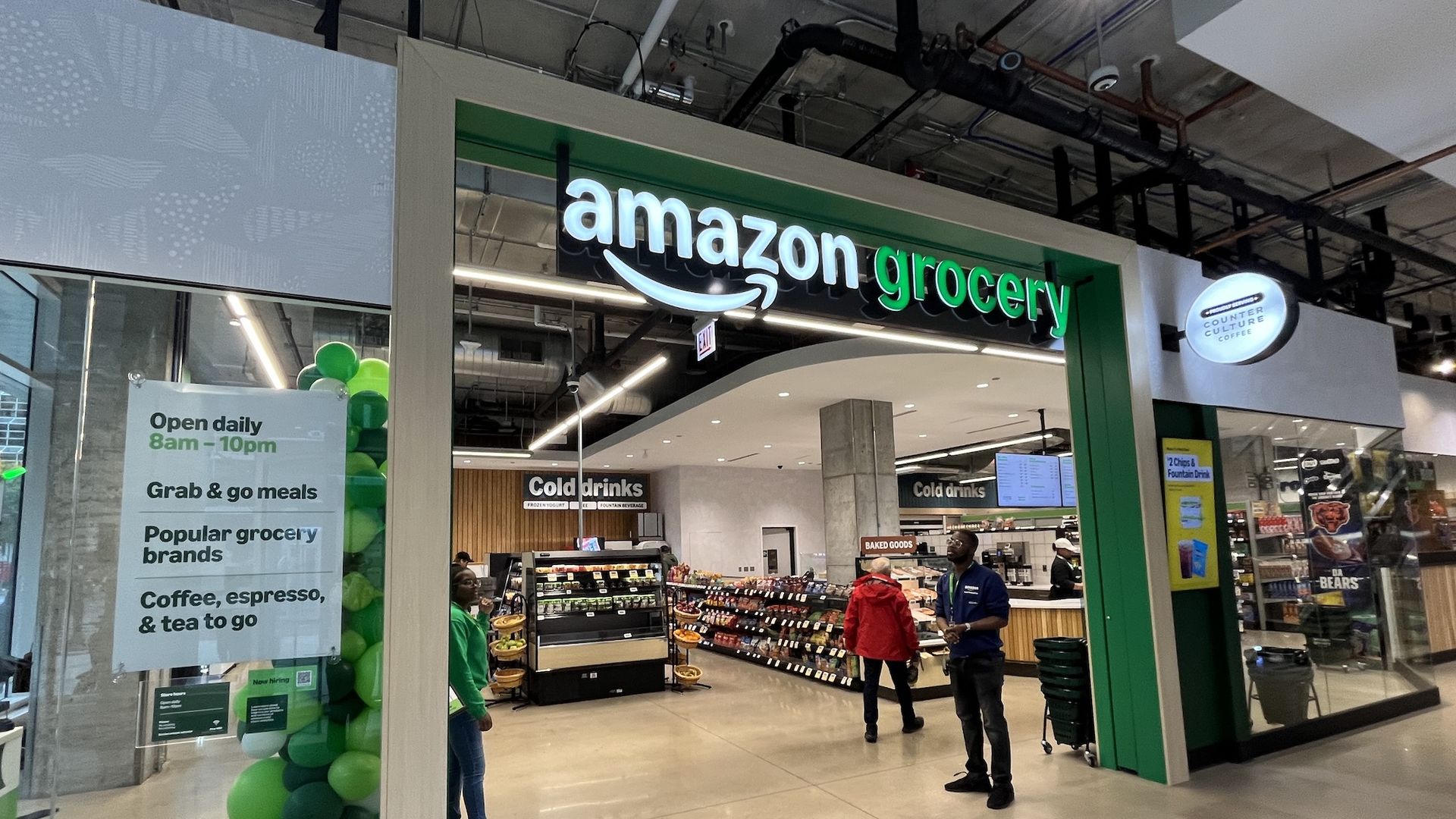
By February 1, 2026, the familiar green-and-white interiors of 57 Amazon Fresh grocery stores and the checkout-free aisles of 15 Amazon Go convenience stores across the U.S. will go dark. Some locations may be reborn as Whole Foods, while others will close permanently. The move is not an exit from physical food retail, but a dramatic consolidation of force.
“We’ve seen encouraging signals with our Amazon-branded stores, but we haven’t yet found a customer experience paired with an economic model capable of supporting broad expansion,” an Amazon spokesperson stated, offering a rare corporate admission familiar to every grocer: in an industry of razor-thin margins, innovation alone cannot conjure scale.

Doubling Down on the Diamond: Whole Foods as the Physical Keystone
The true headline is not what’s closing, but what’s opening. Amazon is placing a colossal bet on Whole Foods Market, the premium natural grocer it acquired for $13.5 billion in 2017. The company plans to open more than 100 new Whole Foods stores in the coming years, solidifying it as the undisputed flagship of Amazon’s physical grocery presence.
The logic is rooted in proven performance. Since the acquisition, Whole Foods has seen sales surge by over 40%, a trajectory that starkly outpaced the inconsistent results of the Amazon Fresh and Go formats. Alongside traditional stores, Amazon is accelerating the rollout of Whole Foods Market Daily Shop, a smaller, urban-optimized concept for quick trips, with five new locations slated by end of 2026.
“This is a return to the strongest physical banner,” noted retail analyst Simeon Gutman. “Amazon is conceding that brand clarity and existing customer loyalty, which Whole Foods possesses in spades, are more valuable starting points than building a new grocery identity from scratch.”

The Delivery Domain: Where the Battle is Truly Joined
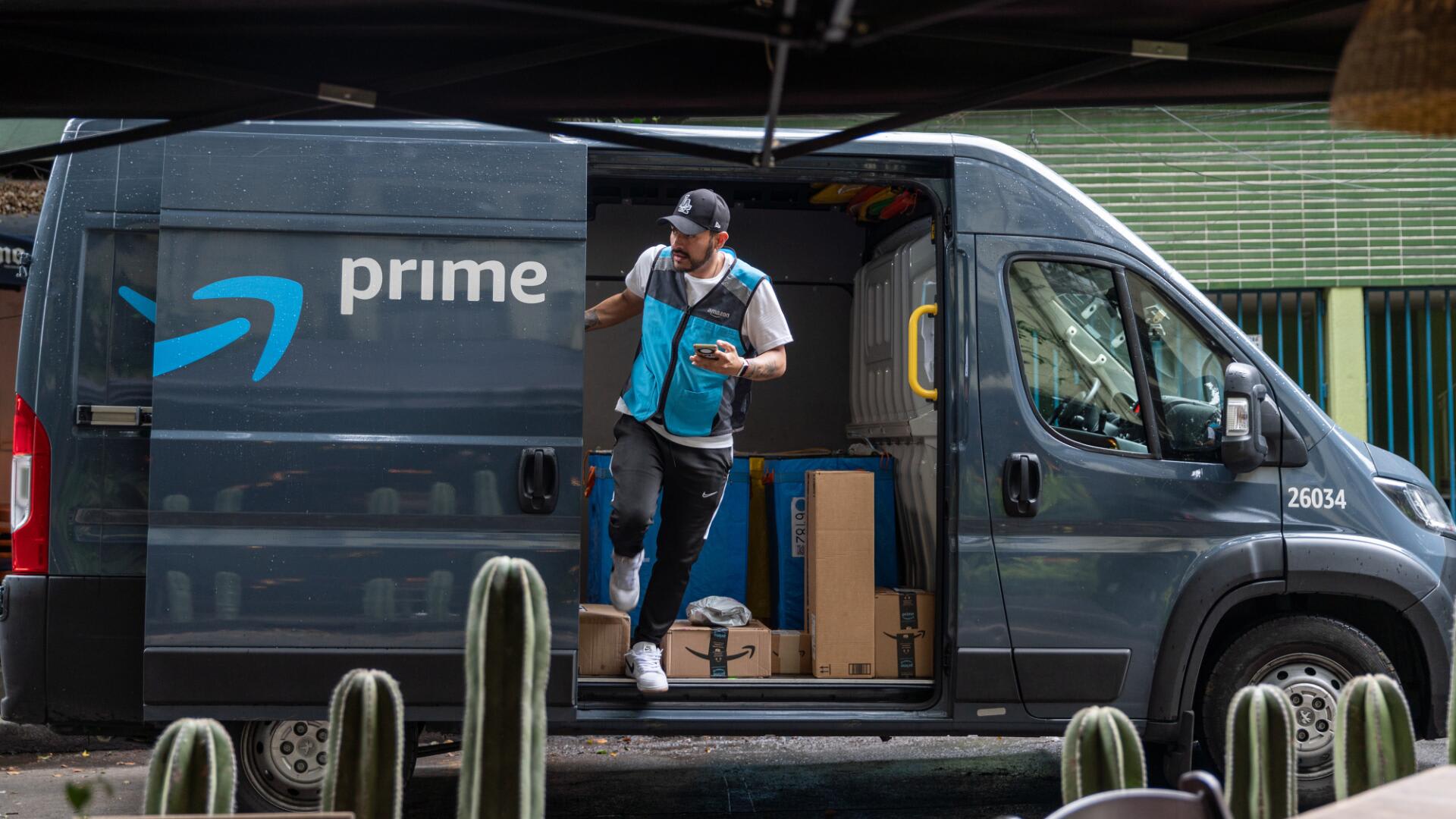
If Whole Foods is the anchored flagship, then Amazon’s rapidly expanding delivery network is its formidable fleet. The company revealed that in 2025 alone, it expanded same-day perishable grocery delivery to over 1,000 U.S. cities and towns, with plans to reach 2,300 locations. Separate industry data suggests Amazon’s total grocery delivery services now touch an astonishing 5,000 U.S. locations.
This is where Amazon’s core competency reigns supreme. The strategy leverages its world-class logistics to redefine the “grocery trip,” blending fresh food, pantry staples, and general merchandise into a single, hours-delivered order. It’s a model that directly responds to evolving consumer behavior, where grocery shopping is less a dedicated errand and more a component of seamless household replenishment.
Innovation Narrows, But Doesn’t Vanish
While the Amazon Fresh and Go banners fade, the technological and conceptual seeds they planted will live on. Amazon continues to pilot new in-store formats, including an “Amazon Grocery” section inside select Whole Foods and a larger hybrid store concept. Crucially, the “Just Walk Out” checkout-free technology, pioneered in Go stores, now operates in over 360 third-party and licensed locations globally, becoming a lucrative B2B product divorced from its original retail shell.
Signals for an Industry on Edge
Amazon’s pivot sends resonant signals through the grocery landscape:
Format Clarity is King: In a crowded market, a strong, differentiated brand (Whole Foods) outperforms novel but ambiguous concepts.
Economic Reality Bites: Grocery is a brutal, low-margin game. Amazon’s acknowledgment of unsustainable economics for Fresh and Go is a sobering reminder for all capital-heavy retail innovators.
The Trip is Fragmenting: The future isn’t solely online or offline; it’s hybrid. Amazon’s strategy embraces premium destinations (Whole Foods) for some occasions and hyper-convenient delivery for others, acknowledging that the customer journey is no longer monolithic.
Integration Accelerates: With resources funneled toward Whole Foods, expect deeper operational alignment, influencing everything from private-label development to supplier negotiations, with ripple effects across the consumer packaged goods world.
This is not a retreat, but a recalibration. By pruning its experimental branches and pouring resources into the sturdy trunk of Whole Foods and the deep roots of its delivery network, Amazon is playing the long game. The message is clear: in the trillion-dollar grocery war, Amazon is choosing to fight not on every front, but on the ones where scale, loyalty, and logistical supremacy can converge to win.