Sonic Blitz in Caracas: White House Amplifies Chilling Account of “Head-Exploding” U.S. Weapon Used in Maduro Raid


A harrowing, viral battlefield account shared directly by White House Press Secretary Karoline Leavitt has ignited a firestorm of questions and controversy, alleging that U.S. forces deployed a devastating sonic weapon during the operation to capture Venezuelan President Nicolás Maduro. The witness, claiming to be a Venezuelan guard at the Caracas military base, described a scene of technological horror: a wave of intense sound that caused heads to feel “like they were exploding from the inside,” leaving troops bleeding from the nose and vomiting blood, paralyzed on the ground. “We had no way to compete,” the guard stated, alleging that just twenty advanced U.S. soldiers, emerging from a drone-filled sky, incapacitated hundreds of defenders without a single American casualty. Leavitt’s decision to elevate the unverified interview on her official X account, with the caption “Read this,” sends a provocative signal, seemingly leveraging the gruesome narrative as a demonstration of overwhelming U.S. military supremacy.

The graphic testimony, if corroborated, would mark a stark public revelation of next-generation non-lethal warfare being used in a combat operation. The witness described a force of unimaginable precision and speed, with radar systems mysteriously disabled before a fleet of drones and helicopters descended. Military experts note that while acoustic weapons have been in development for years, often for crowd control, their alleged use in this capacity—to devastating physiological effect on a military scale—would represent a significant and chilling escalation in tactical warfare. The Pentagon and White House have not yet responded to requests to confirm or deny the weapon’s use or the account’s veracity, leaving the shocking claims hanging in the air, amplified by the weight of the Press Secretary’s platform.
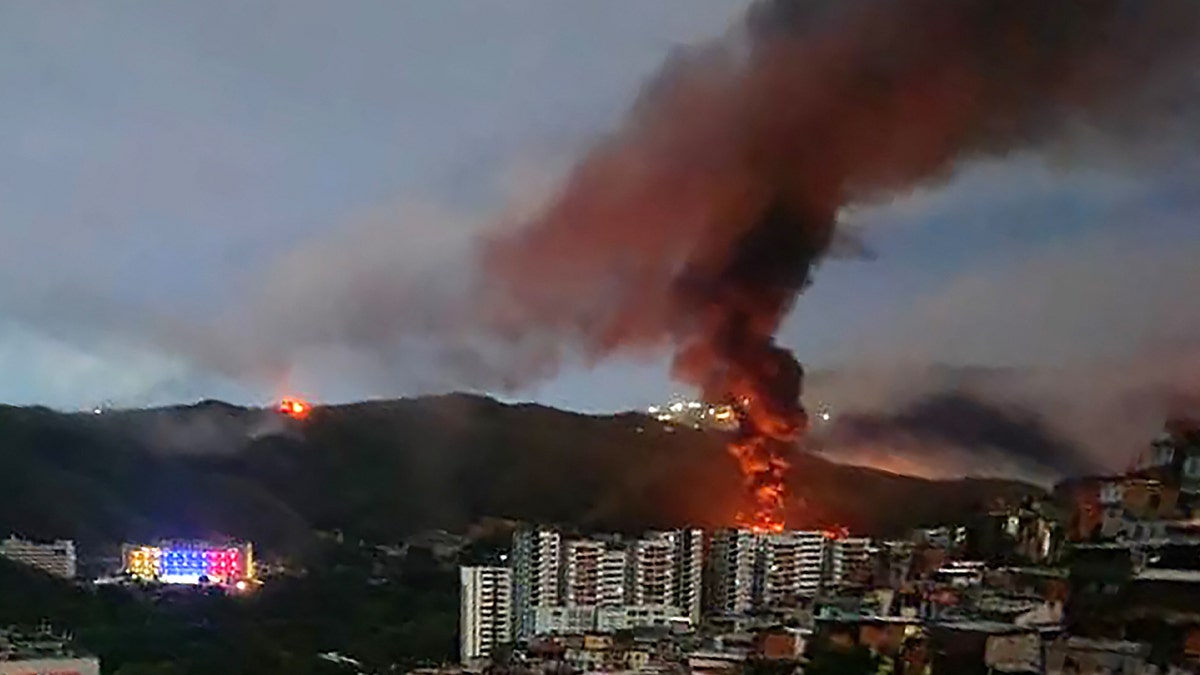
The strategic dissemination of this story, whether as a psychological tool or a straightforward boast, has immediate geopolitical repercussions. It serves as a brutal object lesson to adversaries about the invisible, terrifying edges of U.S. combat technology, potentially aiming to deter future conflicts. Simultaneously, it raises profound ethical and legal questions on the world stage about the boundaries of modern weaponry and the administration’s transparency with both Congress and the public regarding the tools of war. As the international community demands answers, the leaked narrative of sonic warfare has already shifted the aftermath of the Venezuela operation from a discussion of political outcome to a disturbing debate over the very nature of 21st-century combat.