The Star Who Almost Said No: How Julia Roberts’ Blunt Rejection Turned into Rom-Com Gold

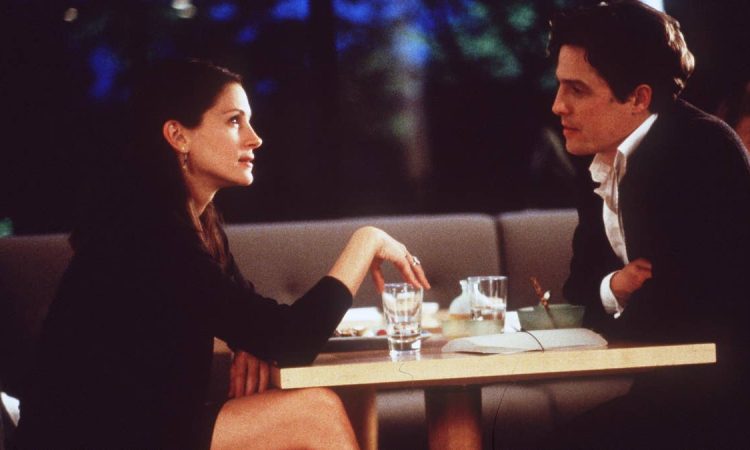
It is a cinematic truth universally acknowledged that a beloved romantic comedy must be in want of a perfect leading lady. Yet, one of the genre’s most enduring jewels, Notting Hill, almost lost its jewel entirely. Julia Roberts, the very embodiment of Hollywood royalty, initially dismissed the film with a blistering critique, calling its premise “so f—ing stupid.” Fresh from powerhouse roles and Oscar nominations, Roberts balked at the idea of playing Anna Scott, a world-famous actress who falls for an ordinary London bookseller, deeming the concept absurd on its face. Her instinct was to reject the project outright, a decision that would have irrevocably altered the landscape of modern rom-coms and deprived audiences of one of its most charming pairings with Hugh Grant.
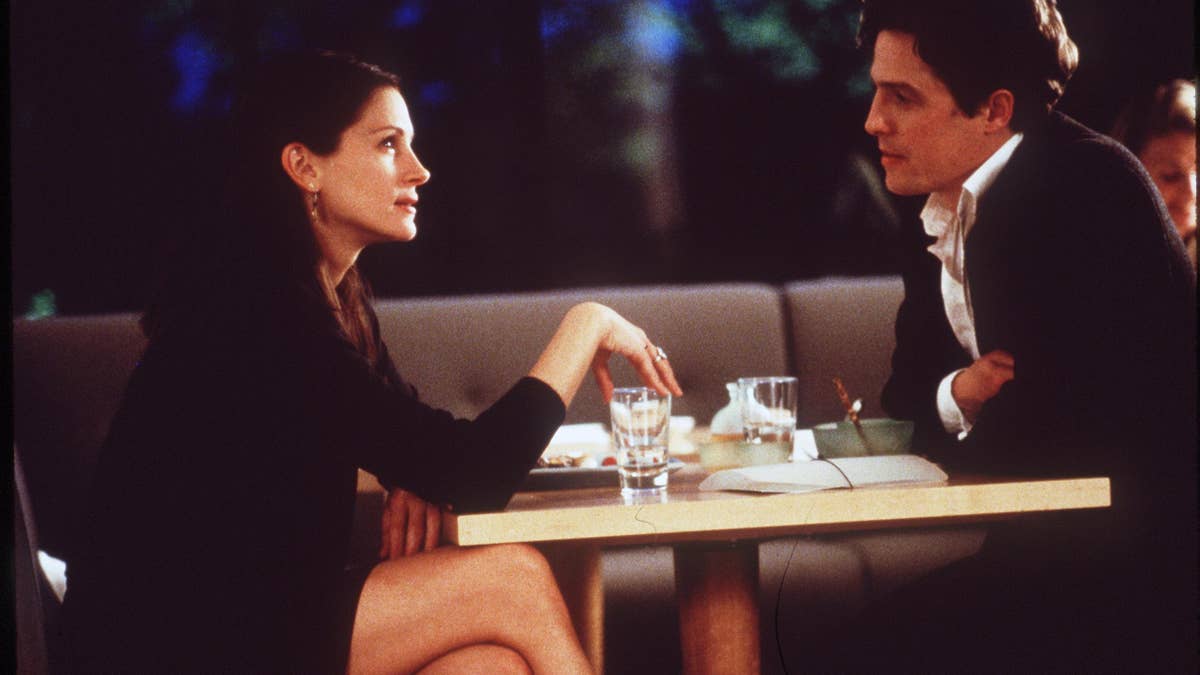
However, the alchemy of a great film often lies in the persuasion of its creators. Determined to formally decline, Roberts agreed to a lunch meeting with writer Richard Curtis, producer Duncan Kenworthy, and director Roger Michell. What she encountered was not a hard sell, but a display of the very warmth and wit that infused the script. Their collective charm disarmed her, transforming her certainty into curiosity. As Roberts recounted, she went in thinking, “No, this isn’t going to work,” but left realizing, “Wow, this is really going to happen.” This pivotal lunch revealed the project’s soul—not just a frivolous fantasy, but a witty, tender exploration of fame and normalcy—convincing the skeptical star to take a leap of faith on a film she had so colorfully maligned.
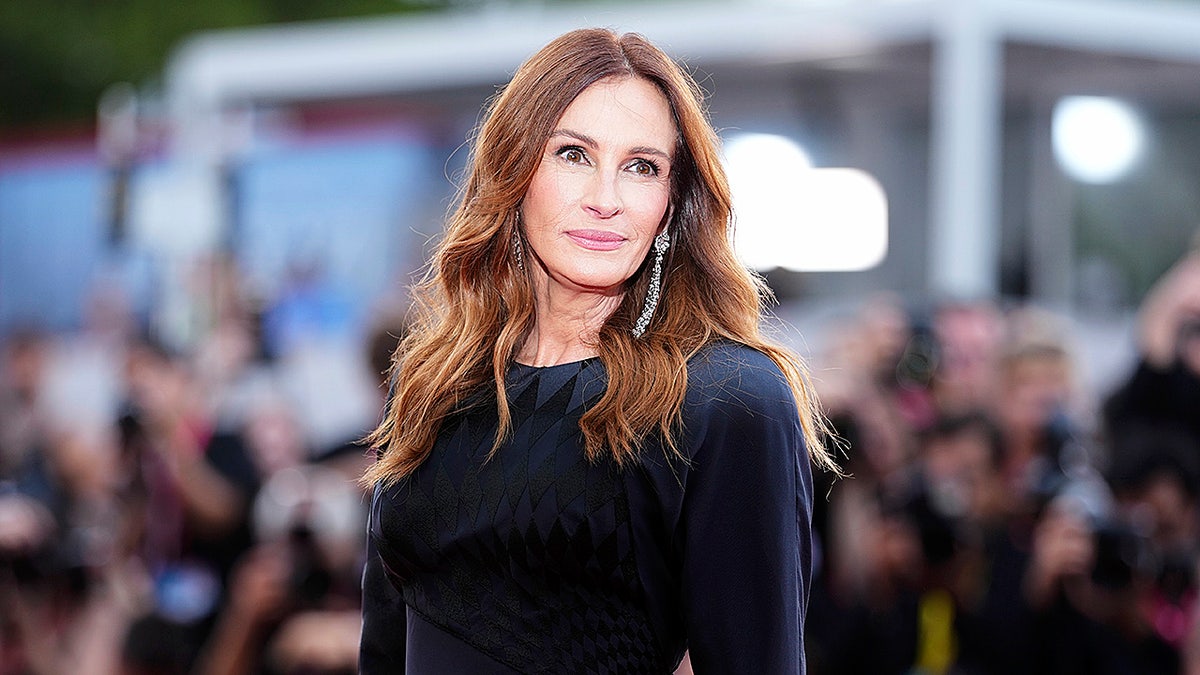
The result was cinematic magic. Released in 1999, Notting Hill became an instant classic, its success cementing Roberts’ status as America’s sweetheart with a global appeal and adding a timeless chapter to Hugh Grant’s repertoire of charming everymen. Roberts’ journey from blunt refusal to wholehearted embrace underscores a fascinating truth in Hollywood: sometimes, the roles an artist resists the most are the ones that define them for generations. The film’s 25th-anniversary celebration stands as a testament to her change of heart, reminding us that iconic art is often born not from unwavering certainty, but from the willingness to be pleasantly, and brilliantly, proven wrong.