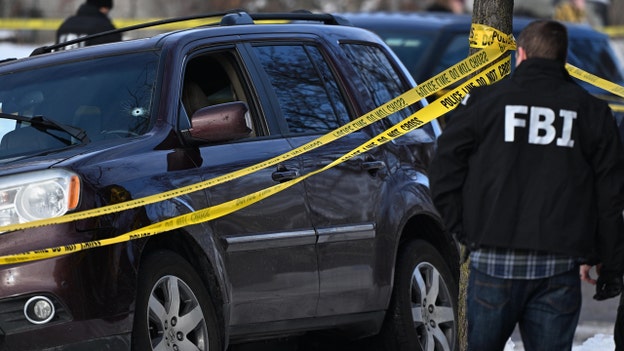
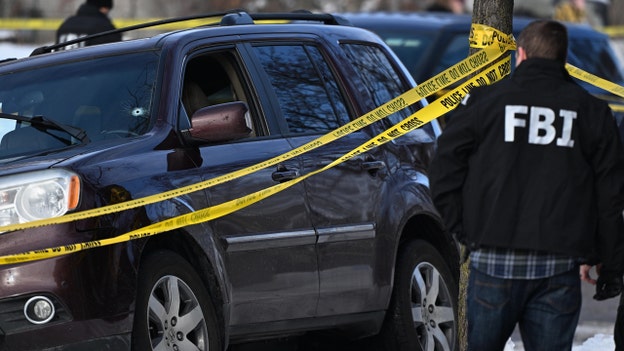
Minneapolis residents awoke on January 7th, 2026, to a scene now tragically familiar: police tape, evidence markers, and a vehicle with a bullet-shattered windshield. This time, the victim was identified not as a suspect in a crime, but as a 37-year-old community member, Renee Nicole Good, who city council members stated was “out caring for her neighbors.” The shooter was an agent of U.S. Immigration and Customs Enforcement (ICE). According to official accounts and video, the fatal encounter occurred after Good blocked a road being used for an ICE operation; the agent, standing before her SUV, opened fire as the vehicle moved toward him. In an instant, a municipal street became a killing ground, transforming a local act of civil obstruction into a national flashpoint over federal authority and the value of a civilian life.
The response was an immediate and damning political chasm. Minneapolis City Council members labeled the shooting an “attack,” demanding ICE leave the city and declaring that “anyone who kills someone in our city deserves to be arrested, investigated, and prosecuted.” They framed Good’s death as part of a federal assault on their community. From the opposite pole, President Donald Trump and the White House offered unequivocal support for the unnamed ICE agent, blaming “radical left” threats against law enforcement and praising officers who “risk everything.” The stark, conflicting narratives—a neighbor killed versus an agent threatened—leave no middle ground, only a haunting portrait of a nation where the same event is seen not as a tragedy to be reconciled, but as a weapon to be wielded. Renee Nicole Good is now a name on a polarizing headline, her death less an incident to be investigated than a brutal testament to America’s irreconcilable divides.