The Great American Tipping Rebellion: Why We’re Fuming—But Still Forking Over 20%

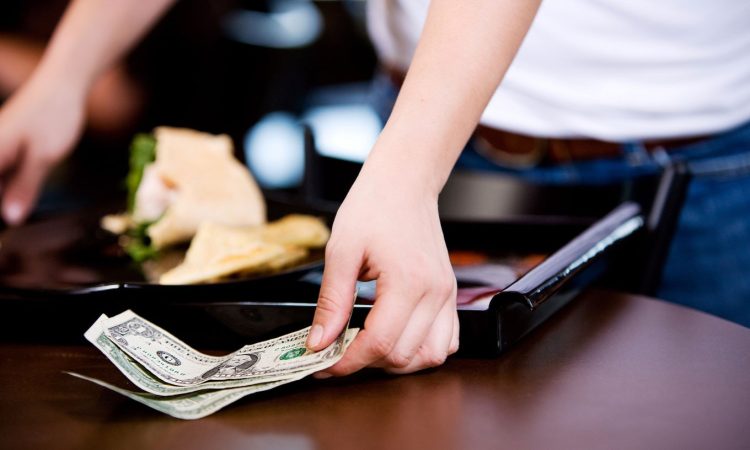
We complain about the guilt-tripping screens and the endless prompts, yet when the meal is done, our generosity often wins. A new study reveals the complex, conflicted heart of the American diner.
You know the scene. The meal was great, the conversation flowing. Then the check comes, or a tablet is spun your way. Suddenly, you’re performing a high-stakes social calculation under the subtle gaze of your server. A list of percentages glows back at you: 15%, 18%, 20%, 25%. A silent groan echoes across the nation. Not this again.
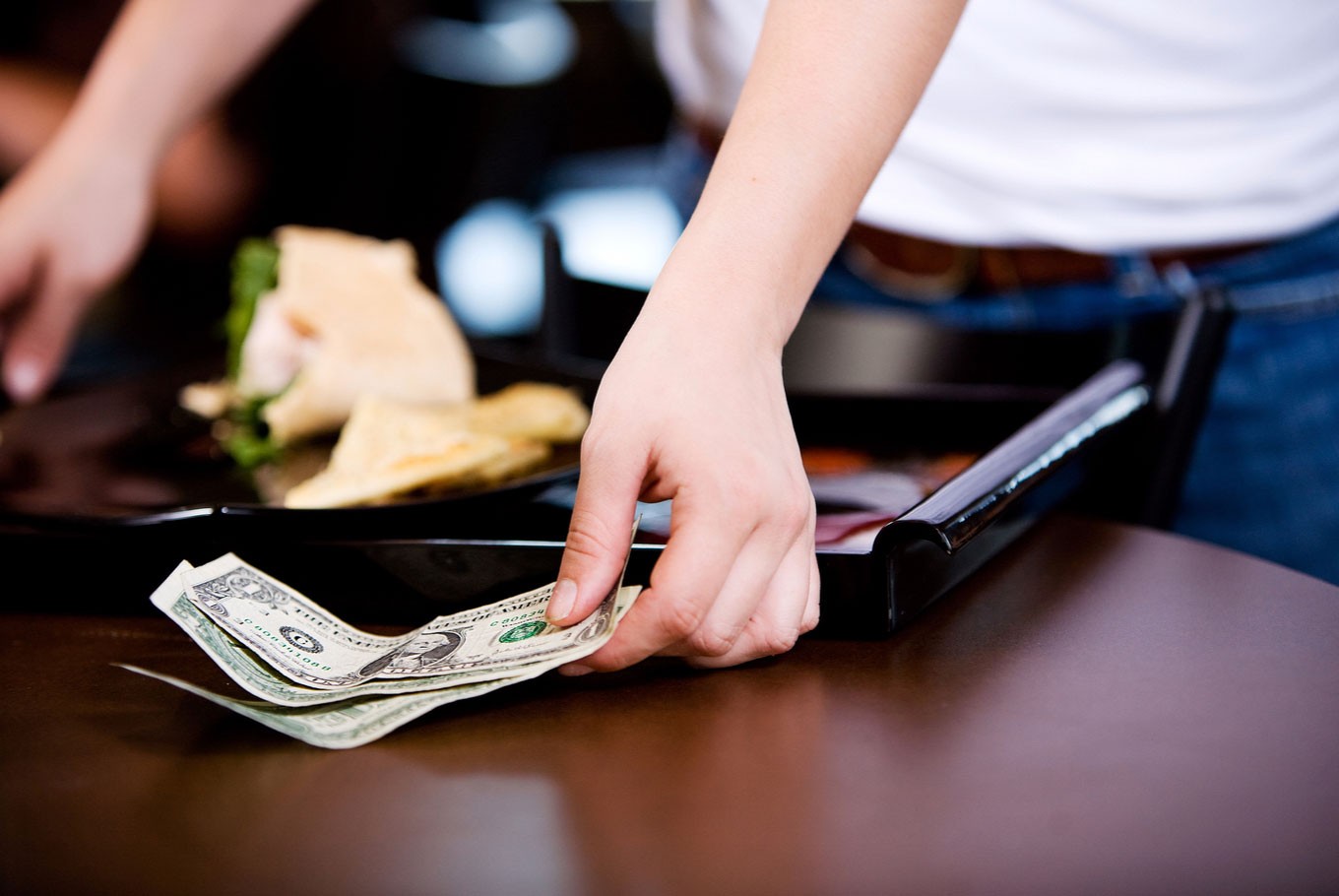
Americans are fed up. We’re exhausted by the digital panhandling at every coffee counter, bakery, and drive-thru. Yet, a fascinating new study reveals a stark contradiction in our behavior: despite our vocal frustration, a significant portion of us still open our wallets wide when it truly counts.
A recent CouponCabin survey of over 1,000 consumers lays bare this internal conflict. While tipping fatigue is very real, 34% of restaurant-goers still consistently leave a 20% tip. On the other end, 19% are tipping less than 10%, a sign that for some, the goodwill has officially run out.
So, what’s going on? Are we principled rebels, or are we just too nice to say no?
The Unwritten Contract: Why 20% Still Rules
In the world of sit-down restaurants, the old social contract is holding strong—for now. For many, a 20% gratuity for good service isn’t just a suggestion; it’s an ingrained moral code.
Vicki Parmelee, owner of Jumby Bay Island Grill in Jupiter, Florida, sees it from both sides of the table. “It’s kind of ingrained in American culture that if you go out to dinner, and you’re served, a 20% tip is a good tip,” she told Fox News Digital.
This sentiment is echoed by diners themselves. A speech therapist from Florida confirmed this standard is her baseline. “I usually tip 20%, regardless of the meal, unless it’s fast food or preordered,” she said. “I’ll leave extra or won’t care about a few extra dollars if there’s good service.”
But this isn’t blind loyalty. Today’s diner is a discerning judge, and the tip is the final verdict. The same therapist noted she’ll adjust the amount for a rude server or bad food. Another diner, a sales professional, has a detailed tiered system: 15% for a bad experience, 18-20% for good service, and a generous 30% for outstanding service.
The message is clear: We still believe in rewarding effort. The problem is, we’re now being asked to tip where little to no effort is visible.
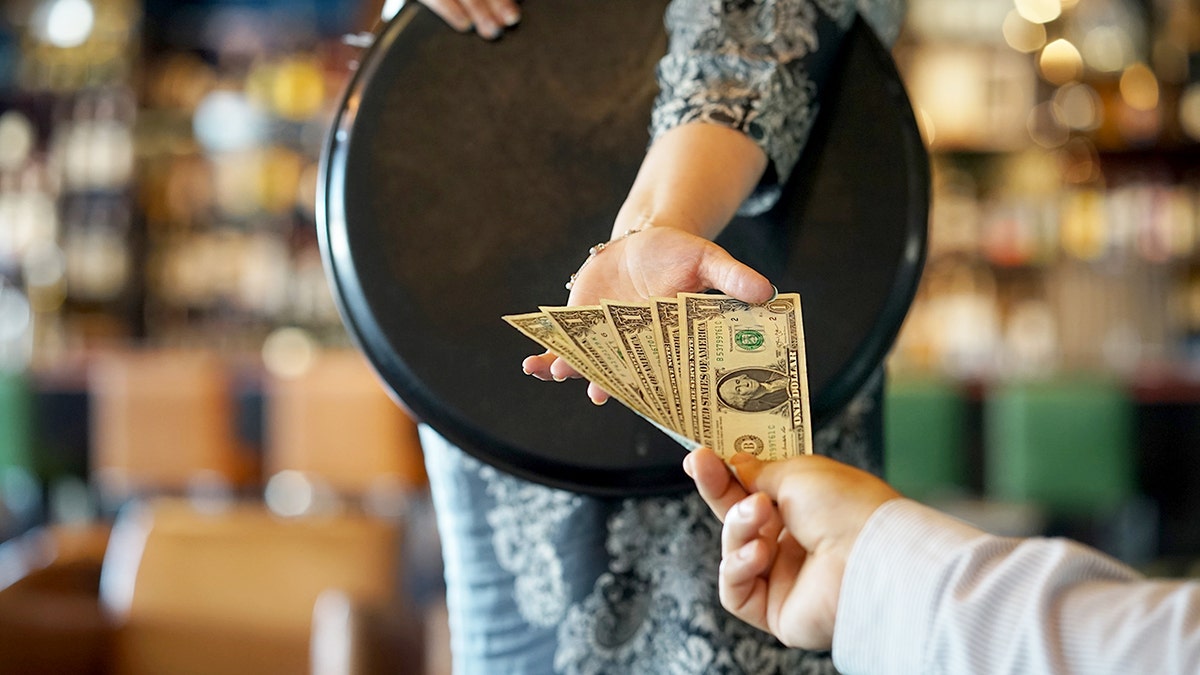
The Awkwardness Economy: The Real Cost of the Spinning Tablet
The core of our frustration isn’t tipping itself—it’s the ask. The rise of digital payment systems has turned every transaction into a potential moment of social anxiety.
“It is pretty annoying to go up to a service counter and order a coffee and then have them turn around a terminal and expect a tip for just handing you a coffee,” Parmelee said, pinpointing the exact moment that has soured the mood for millions. “I don’t think that is appropriate.”
This “pre-tip” phenomenon is creating what restaurant consultant Salar Sheik calls “friction.”
“It hasn’t necessarily changed what people buy, but it’s created more awkwardness at checkout – especially when most guests are paying by card and asked to tip before receiving anything,” Sheik explained. “The friction is real, and in some cases, it can create discomfort rather than genuine hospitality.”
Parmelee is so against this pressure tactic that she refuses to let her servers hover. “A lot of restaurants will present a tablet for you to sign your check, and the server’s standing over you as you’re putting in your tip. I’m very much against that,” she stated. “We want people to have an enjoyable experience and feel good about tipping at least 20%.”

The Future: Service Charges or Servers with No Incentive?
As the rebellion grows, some restaurants are testing a new model: ditching tips altogether and implementing a mandatory service charge. For owners, this could create a more stable wage system for staff. But for many, including Parmelee, this kills the heart of what tipping is meant to be.
“If there’s no incentive for the servers to be attentive and give extra-good service… I’m not interested in doing that here,” she said.
And that’s the delicate balance at play. We may hate the prompts, but we cherish the power of the reward. The tip is the diner’s last word, a direct line of praise ( or criticism) to the person who made our experience special.
So, the next time you feel that familiar pang of annoyance at the glowing screen, remember this: Your frustration is valid. The culture has overreached. But when a server has truly earned it, that 20% tip isn’t a surrender to pressure—it’s a conscious choice to uphold a contract of gratitude for a job well done. The American diner is fed up, but we’re not heartless. And that, it seems, is a line we’re not yet willing to cross.