End of a Genetic Era: DNA Pioneer James Watson Dies at 97

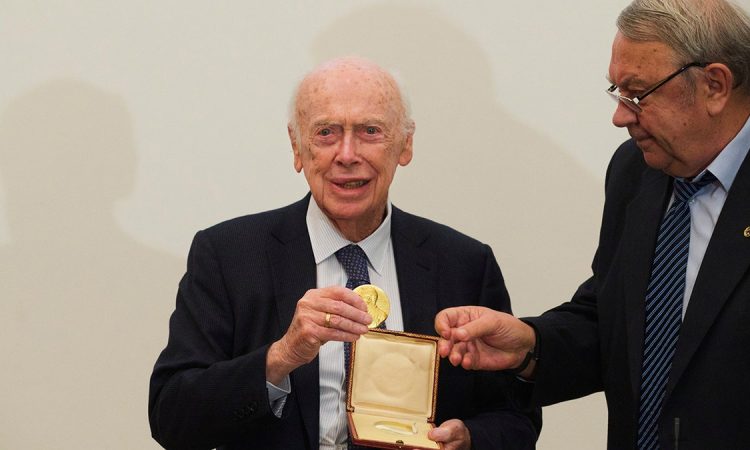
James Watson, the brilliant yet controversial co-discoverer of DNA’s double-helix structure, has died at the age of 97, marking the end of a chapter in modern science that reshaped humanity’s understanding of life itself. Born in Chicago in 1928, Watson was only 24 when he and British physicist Francis Crick unraveled the twisted ladder-like structure of DNA in 1953 — a revelation that became one of the most groundbreaking scientific discoveries of the 20th century. According to his son, Watson passed away peacefully in hospice care on Long Island after a brief illness.
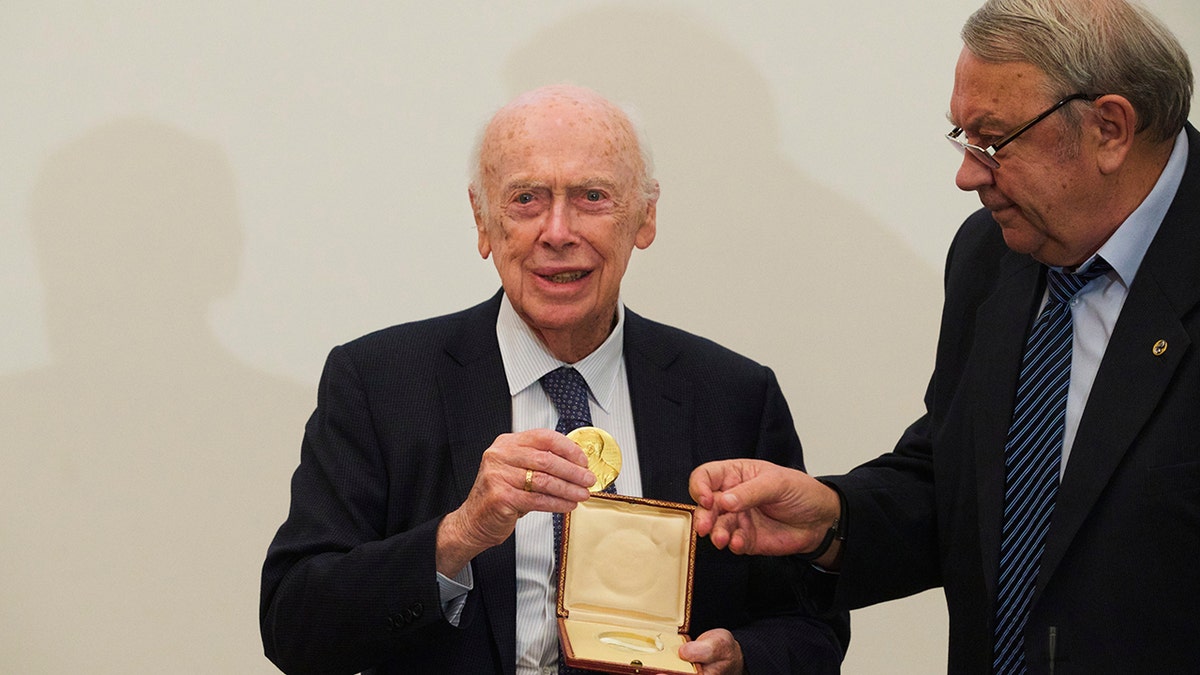
Cold Spring Harbor Laboratory, where Watson once served as director and later president, hailed him as a visionary who helped unlock “the very language of life.” Alongside Crick and Maurice Wilkins, Watson received the 1962 Nobel Prize for their pioneering work — research that illuminated how genetic information is stored, replicated, and transmitted, laying the foundation for modern genetics, biotechnology, and forensic DNA analysis. His writings, particularly The Double Helix, remain a vivid account of one of science’s most transformative moments.
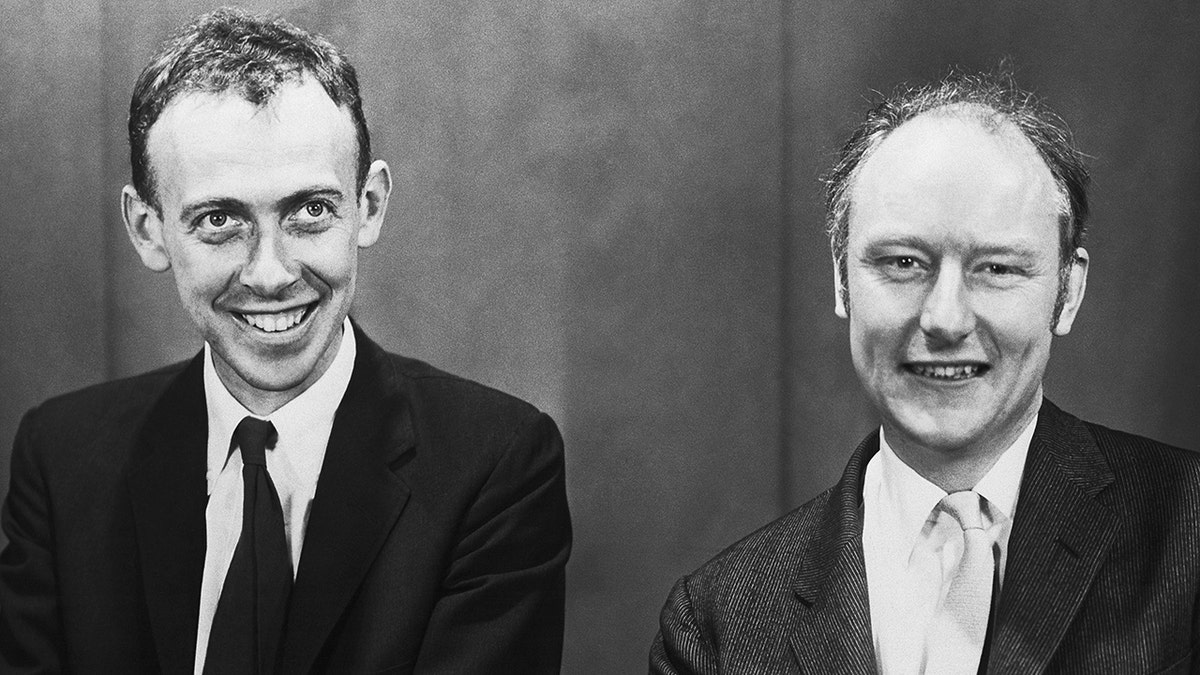
James Watson, left, and Francis Crick in 1959 (Getty Images)
Yet, Watson’s legacy is not without controversy. In his later years, remarks he made about race and intelligence drew widespread condemnation, prompting Cold Spring Harbor Laboratory to cut all ties with him. Still, few can deny the monumental impact of his early work — one that continues to ripple through medicine, evolution studies, and genetic engineering. As the world reflects on his passing, James Watson leaves behind a scientific legacy that forever altered the blueprint of human knowledge — both brilliant and deeply complex, much like the DNA he helped decode.